Navigating the Future of Freight Forwarding Efficiency
Thursday, August 27 2026

The global logistics landscape is undergoing a profound transformation as technology reshapes how goods move across international borders. Freight forwarders are currently facing unprecedented pressure to enhance operational speed while managing rising complexity in supply chain management. By adopting digital-first strategies and cloud-based platforms, forwarders can unlock significant value and improve their client satisfaction levels. As we look ahead, the industry must embrace data transparency and automated workflows to remain competitive. MakeCargo remains committed to providing the infrastructure needed for these modern professionals to thrive amidst constant market fluctuations and shifting economic demands in the logistics sector.
Modernizing Logistics Workflows
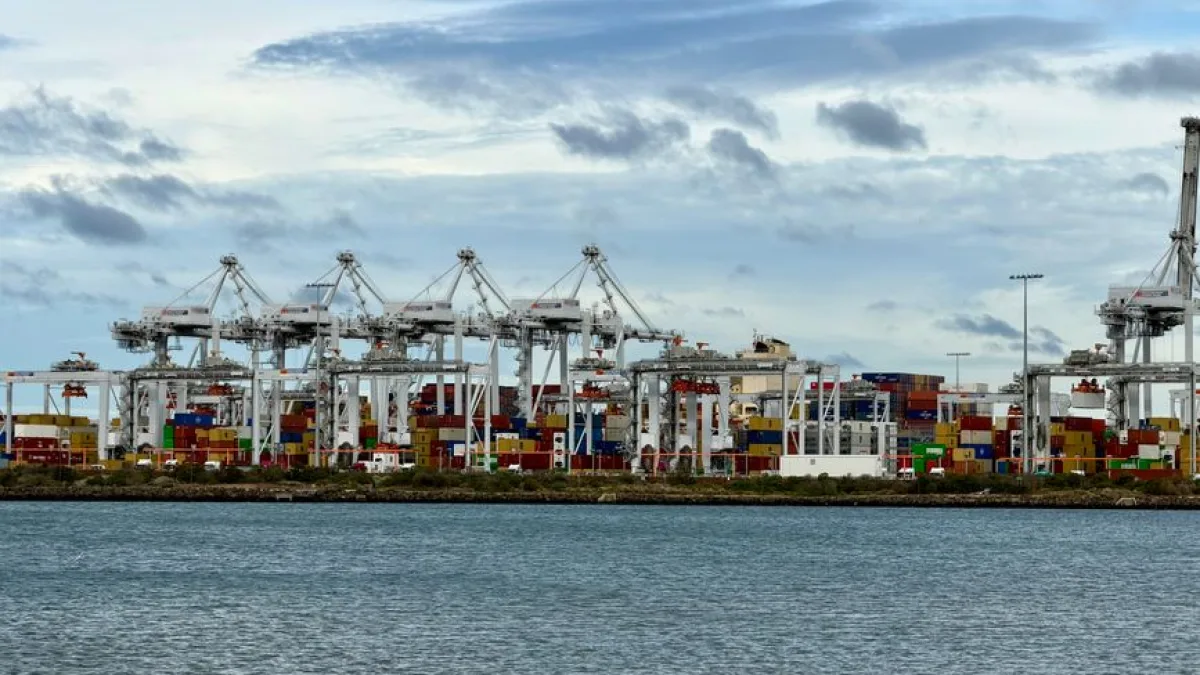
Digital transformation is no longer optional for firms aiming to maintain profitability in a saturated market. Integrating advanced software solutions allows businesses to automate repetitive tasks, reduce manual errors, and provide real-time updates to partners across the entire global network.
- Automated Documentation Processing: Eliminate the time-consuming burden of manual paperwork by using intelligent systems that automatically capture and organize essential shipping data into your centralized freight forwarding platform today.
- Real-time Cargo Tracking: Provide your clients with immediate visibility into their shipments by leveraging live data feeds that update transit status and location details across every leg.
- Workflow Management Systems: Organize complex shipping tasks into streamlined digital sequences that ensure every team member understands their responsibilities and project deadlines without any miscommunication or costly delays.
- Centralized Communication Hubs: Consolidate emails and messages into a unified platform to prevent critical information loss and ensure all stakeholders remain aligned throughout the entire shipment lifecycle.
Optimizing your internal workflows is the foundational step toward achieving scalable growth in the modern logistics environment. By removing operational bottlenecks, your team can focus on higher value strategic activities that foster long term client loyalty. Investing in robust digital architecture provides the stability required to handle increased transaction volumes while simultaneously maintaining the high standards of accuracy that international customers expect every single day.
Enhancing Client Transparency
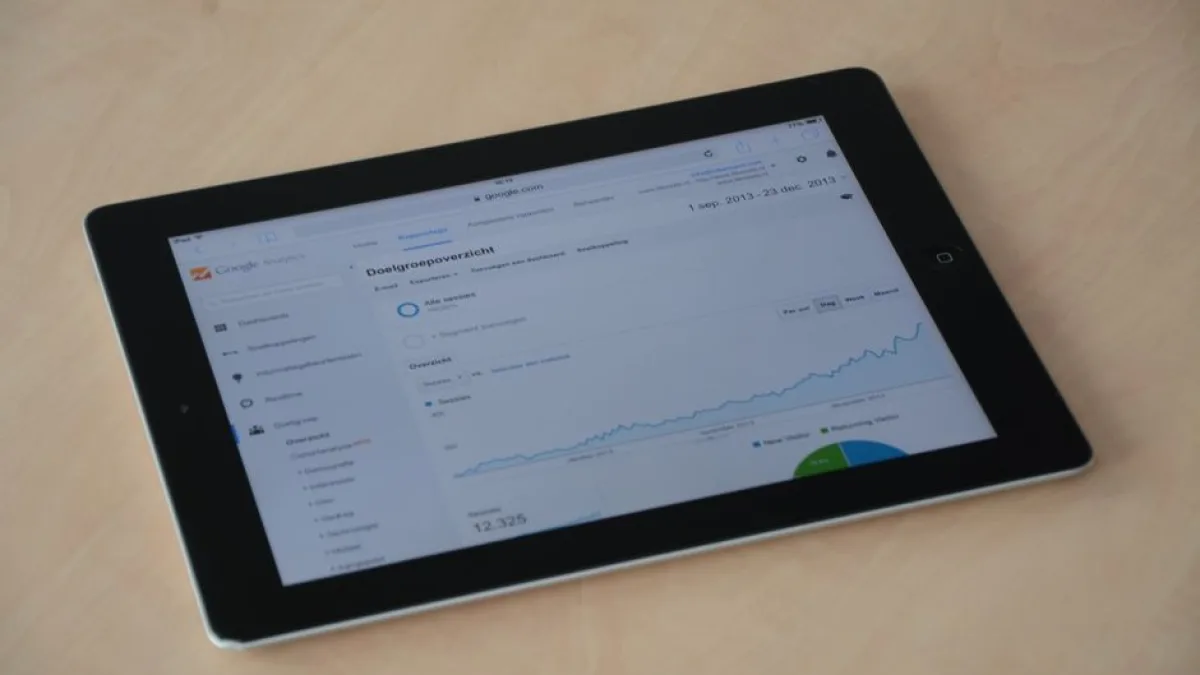
Providing clients with accurate data is a cornerstone of modern service excellence. Transparent operations build lasting trust and demonstrate professional reliability, which distinguishes your agency from competitors who still rely on legacy communication methods and fragmented data tracking systems.
- Customer Portal Access: Empower your clients with secure, self-service portals that allow them to view live shipping status, download critical documents, and monitor their specific logistics account activity.
- Proactive Status Notifications: Configure automated alerts that notify clients of major status changes or unexpected delays immediately, ensuring they stay informed without needing to contact your staff directly.
- Data Driven Reporting: Deliver comprehensive performance reports that highlight key supply chain metrics, helping your clients analyze their logistics costs and identify areas for potential future optimization.
- Instant Quotation Tools: Enable your customers to receive accurate freight quotes faster than ever by integrating dynamic pricing engines that account for real-time market fluctuations and surcharges.
Transparency creates a seamless experience that encourages repeat business and strengthens your reputation in the freight forwarding industry. When clients have the power to view their own shipment data and track performance metrics on demand, the need for manual support decreases significantly. This allows your team to dedicate more effort toward complex logistics challenges that require expert human intervention and strategy.
Optimizing Global Supply Chains
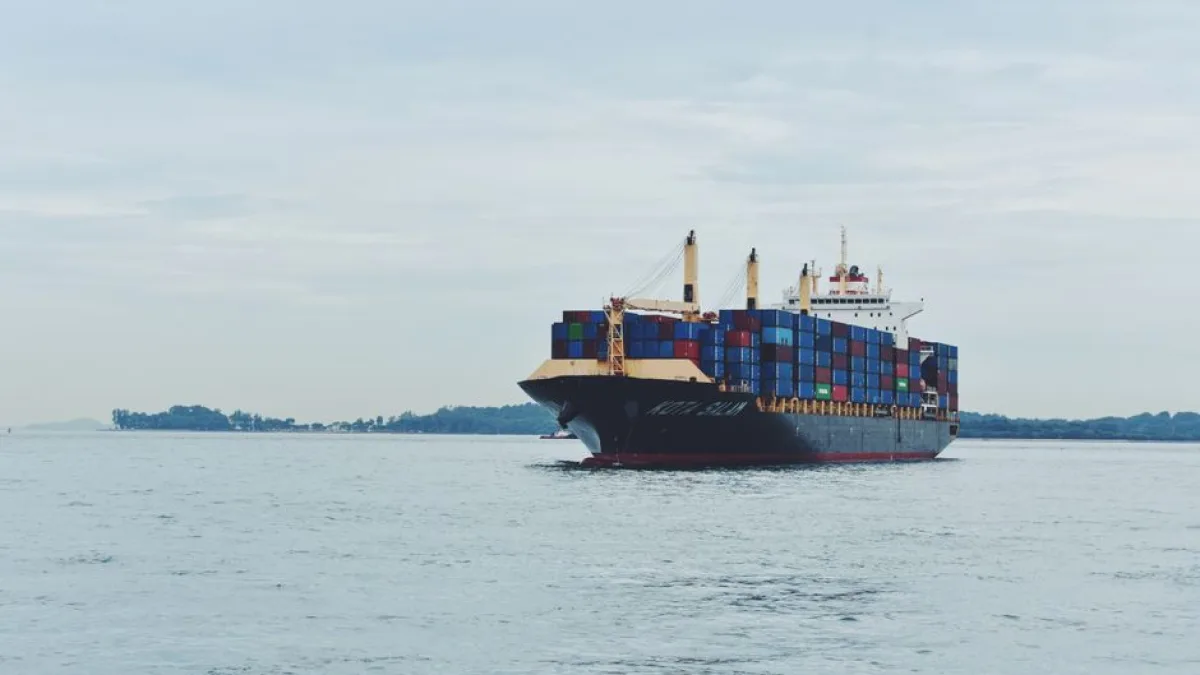
Navigating the complexities of global supply chains requires a proactive approach to risk management and resource allocation. Forwarders must now act as strategic advisors who utilize software tools to identify vulnerabilities and suggest efficient routing solutions for international cargo shipments.
- Dynamic Route Planning: Use predictive analytics to determine the most cost-effective and reliable shipping routes based on current port congestion, weather patterns, and local infrastructure constraints globally.
- Carrier Performance Analysis: Evaluate your shipping partners based on historical data to ensure that you only collaborate with reliable carriers who meet your specific transit requirements.
- Compliance Management Automation: Simplify international trade compliance by automating documentation checks and ensuring all shipments meet the latest regulatory standards across every single transit country involved.
- Inventory Visibility Tools: Integrate your software with warehouse management systems to provide a holistic view of inventory levels, ensuring that logistics flows remain perfectly synchronized with demand.
Refining your supply chain strategy is essential for staying ahead of global market shifts and unexpected economic disruptions. By leveraging deep data insights, your business can identify new opportunities for cost savings and improved transit times. This proactive methodology ensures that your services remain agile and reliable, positioning your freight forwarding firm as a trusted partner that delivers consistent value to international clients.
Building Digital Scalability

Building a scalable business model is vital for those looking to expand into new markets or handle increased shipment volumes. Cloud based technology provides the necessary infrastructure to grow your freight forwarding business without requiring massive manual labor investments.
- Cloud Infrastructure Benefits: Access your company data securely from any location globally while ensuring your team has the resources required for remote collaboration and rapid project execution.
- Integrated Accounting Software: Sync your shipping operations with financial systems to ensure accurate invoicing, timely payments, and clear visibility into your overall profitability for every shipment.
- Third Party Integrations: Connect your existing business tools through robust application programming interfaces to create a unified ecosystem that eliminates data silos and enhances total efficiency.
- Scalable Resource Planning: Utilize software features that allow you to manage higher shipment volumes easily as your business grows, maintaining consistency in your service quality levels.
Digital scalability allows you to adapt to market demands without the burden of excessive infrastructure costs or inefficient manual processes. By building your business on a modular cloud platform, you ensure that your technology can grow alongside your professional ambitions. This level of flexibility is critical for surviving and thriving in the fast-paced logistics industry where efficiency and technical capabilities determine success.
Conclusion

Achieving excellence in freight forwarding requires a commitment to digital innovation and strategic process management. By utilizing modern software platforms to automate workflows, increase transparency, and scale operations, forwarders can overcome current industry challenges and drive long term success. Focus on integrating these technologies today to ensure your business remains a reliable, efficient partner for clients navigating the complexities of modern global trade.