Navigating the Future of Freight Forwarding Efficiency
Monday, August 31 2026

The global logistics landscape is undergoing a profound transformation driven by rapid technological adoption and changing consumer demands. Freight forwarders today face the dual challenge of managing complex supply chain disruptions while striving for operational excellence through digital transformation. To remain competitive, companies must shift from traditional manual processes toward integrated cloud platforms that offer real-time visibility and predictive analytics. By embracing these modern tools, professionals can effectively bridge the gap between global shipping requirements and the need for seamless, transparent communication. This shift is not merely about surviving the current market climate but about building a foundation for scalable future success.
Digital Transformation Strategies

Modern digital transformation represents a critical evolution for logistics providers looking to reduce manual bottlenecks. By centralizing data into a single cloud environment, firms gain the ability to make rapid decisions based on live information rather than relying on outdated spreadsheets.
- Automated Data Entry: Implementing intelligent software tools allows teams to extract vital information from shipping documents instantly, minimizing human error and freeing up valuable hours for strategic client account management.
- Cloud Platform Integration: Connecting various logistics modules enables a seamless flow of information between internal departments and external partners, ensuring every stakeholder has access to the same updated project data.
- Real-time Tracking Updates: Advanced GPS and IoT sensor integration provides instant status reports for shipments, significantly enhancing customer satisfaction through proactive notification systems and improved shipment transparency across global trade lanes.
- Predictive Analytics Usage: Utilizing historical data sets helps forwarders anticipate potential transit delays or capacity issues, allowing them to adjust logistics routes before complications affect the final delivery schedule of goods.
Adopting these technologies requires a commitment to staff training and process redesign. While the initial investment might seem significant, the long-term benefits of increased productivity and reduced overhead are substantial. Forwarders who successfully integrate these tools find themselves better equipped to handle volume spikes and market volatility, ultimately fostering stronger relationships with clients who demand both speed and reliability in every single transit interaction.
Optimizing Supply Chain Visibility
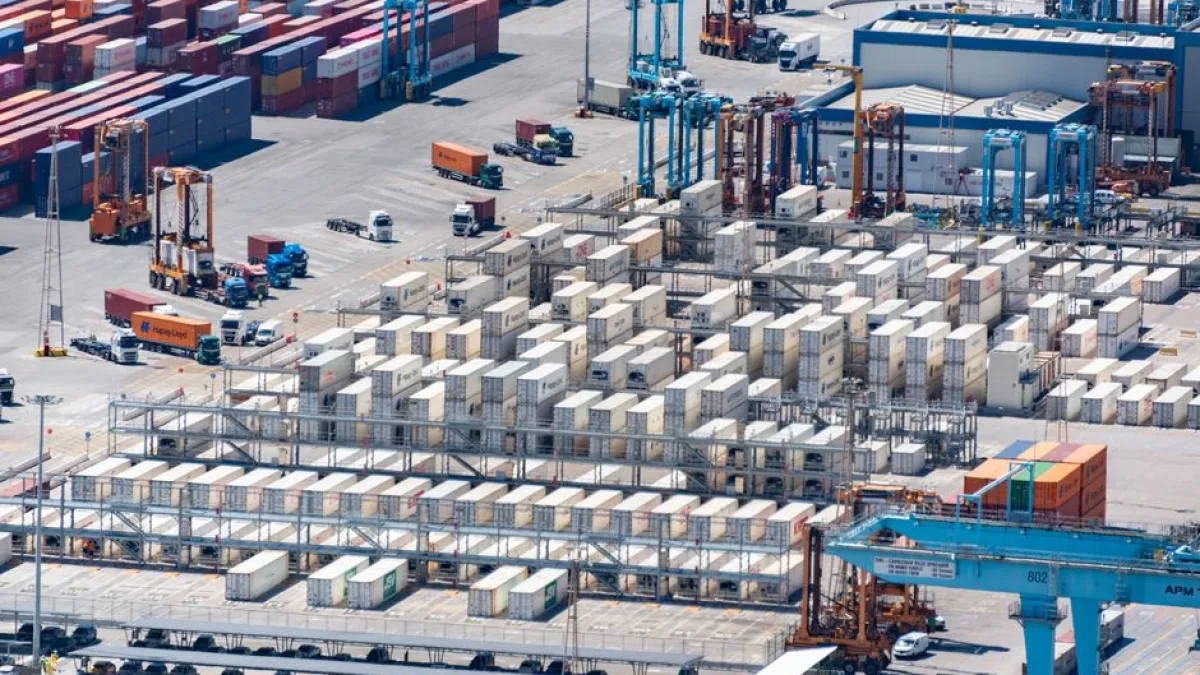
Visibility has become the most valuable currency in global freight. Forwarders who provide deep insights into cargo movement earn the trust of shippers who need to know exactly where their high-value inventory sits at every point in the supply chain.
- Unified Shipment Dashboards: Centralizing multiple carrier feeds into one visual interface allows operational teams to monitor thousands of container movements simultaneously without needing to navigate between several disparate vendor portal websites.
- Instant Status Notifications: Automated alerting mechanisms inform key personnel of milestone changes immediately, reducing the need for constant manual status checks and allowing for faster responses to potential destination port delays.
- Enhanced Document Management: Storing all customs, insurance, and transport paperwork in a secure cloud repository ensures that compliance teams can retrieve vital records during audits or cross-border clearance procedures.
- Collaborative Partner Portals: Providing shippers with their own dedicated login access empowers them to track their own consignments independently, reducing the burden on your customer service staff for basic updates.
Transparency is no longer an optional luxury but a fundamental requirement for modern logistics services. When forwarders offer clear visibility, they effectively remove the uncertainty that often plagues international shipping operations. This level of clarity helps build long-term loyalty and reduces the frequency of disputes related to transit times. Investing in visibility tools is the most direct path toward becoming a trusted industry partner.
Managing Global Trade Compliance

Navigating the complex maze of international trade regulations requires robust software systems that stay updated with changing laws. Compliance management is a core responsibility that impacts the speed and legality of every shipment that moves across borders today.
- Automated Regulatory Checks: Built-in database tools scan for regional trade restrictions and prohibited items automatically, ensuring that every shipment remains compliant with current local and international legal standards and requirements.
- Standardized Filing Processes: Utilizing pre-configured templates for customs declarations ensures consistency across all entries, reducing the risk of administrative penalties or shipment holds at customs checkpoints during the arrival process.
- Integrated Tariff Calculations: Accessing live tax and duty information allows teams to provide accurate landed cost estimates to clients, preventing unexpected financial surprises when goods eventually reach their final destination port.
- Secure Audit Trails: Maintaining a comprehensive and immutable record of all trade-related communications and filings provides peace of mind and protection during official government inspections or routine corporate internal audits.
Efficient compliance management allows freight forwarders to minimize risks associated with global trade. By utilizing specialized software, companies protect themselves from costly fines while ensuring that cargo flows smoothly through international gateways. This proactive approach to regulation not only saves money but also enhances the professional reputation of the firm, proving to clients that your organization is capable of handling the most sensitive logistical requirements.
Building Scalable Logistics Teams
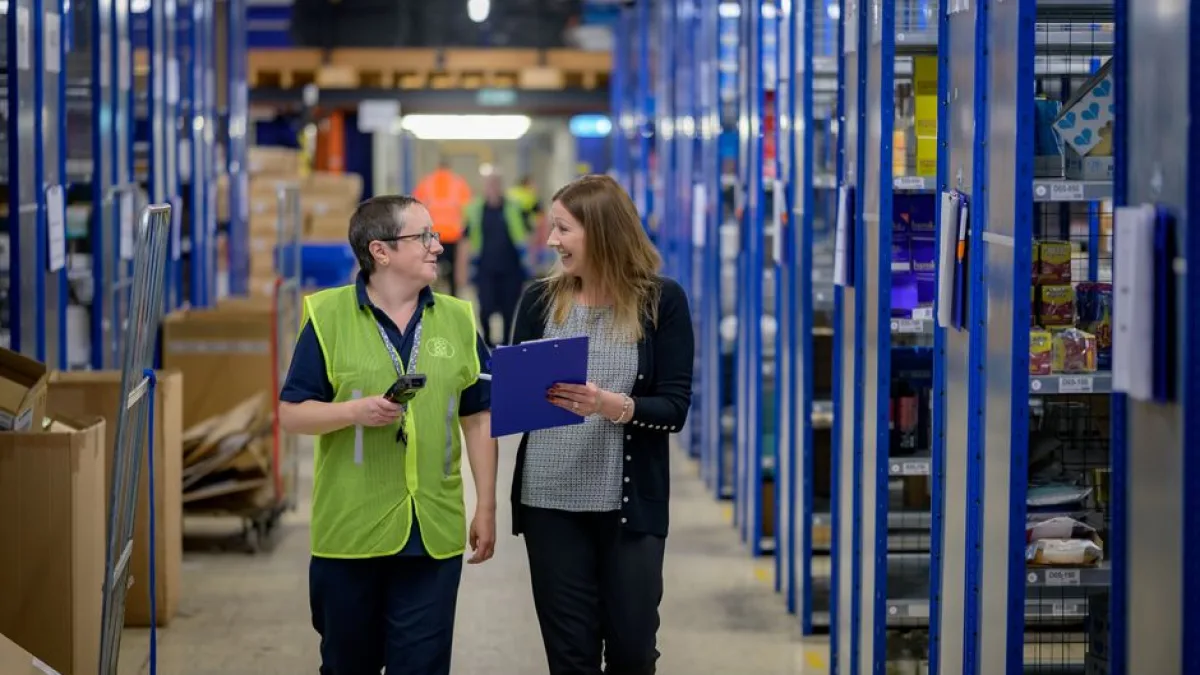
Scaling a logistics business requires more than just new clients; it demands a robust infrastructure that supports growth without compromising service quality. A scalable team structure relies heavily on software that automates routine tasks and provides clear communication workflows.
- Role-based Access Controls: Defining specific permissions within your software platform ensures that team members only see information relevant to their tasks, improving security and maintaining internal focus on critical operational goals.
- Standardized Workflow Templates: Creating repeatable processes for common shipment types allows new employees to onboard faster, ensuring that service levels remain consistently high regardless of the size of your growing workforce.
- Performance Metric Tracking: Monitoring individual and team output through built-in analytics dashboards helps management identify training gaps, celebrate high performers, and optimize labor allocation for maximum efficiency during peak seasons.
- Communication Centralization Tools: Integrating internal chat functions and email logging within the shipment file keeps all project notes in one place, preventing important details from getting lost in fragmented message threads.
Investing in your team through better technology provides the freedom to scale operations sustainably. When administrative burdens are handled by automated systems, your talented staff can focus on high-value activities like problem solving and strategy. This balance between human expertise and machine efficiency is the secret to sustaining growth in a competitive industry, allowing your firm to handle more volume without increasing operational chaos.
Conclusion

Future success in freight forwarding depends on the ability to combine human intelligence with robust software platforms. By embracing automation, visibility tools, and compliance management, professionals can navigate the complexities of global trade with confidence. These investments in technology pave the way for sustainable growth and long-term client satisfaction. The time to modernize your operations is now to ensure your competitive edge remains sharp.