Navigating the Future of Freight Forwarding Efficiency
Wednesday, September 9 2026

The global logistics landscape is undergoing a profound transformation as technology reshapes how goods move across international borders. Freight forwarders are currently facing unprecedented pressure to optimize supply chain visibility while managing volatile shipping rates and increasingly complex compliance requirements. For businesses using MakeCargo, the shift toward digitized workflows has become a primary driver for maintaining competitive advantages in a crowded market. As we analyze the latest industry trends, it is evident that those who leverage integrated software platforms will successfully overcome operational bottlenecks, improve client communication, and achieve long-term growth in an evolving digital trade environment.
Automating Complex Customs Documentation

Managing cross-border regulations requires precision, as manual data entry often leads to costly errors and shipment delays. Modern automated systems now streamline these document flows, allowing agents to focus on strategic tasks instead of repetitive administrative paperwork during peak seasons.
- Reduced error rates: Advanced software tools automatically validate shipping data against international standards to minimize inaccuracies that frequently lead to customs holds and unexpected financial penalties for freight forwarding teams.
- Faster document processing: Automated systems digitize bills of lading and commercial invoices to accelerate the approval lifecycle, ensuring that cargo moves through ports without facing significant bureaucratic document hurdles.
- Compliance tracking updates: Integrated platforms provide real-time updates on changing trade regulations across different jurisdictions, helping forwarders stay updated on mandatory filings without manual research or constant regulatory monitoring.
- Secure data storage: Cloud-based document management keeps sensitive client information protected and accessible in one central hub, ensuring that all digital records remain compliant with global data privacy requirements.
By shifting away from legacy paper-based processes, your firm can significantly improve its overall turnaround times. Automated documentation reduces the administrative burden on your staff while ensuring higher accuracy levels. When every document is verified instantly, the entire supply chain functions more smoothly. Implementing these digital solutions today will allow your team to handle higher volumes of trade without increasing your headcount unnecessarily.
Optimizing Warehouse and Inventory Management

Effective inventory oversight is critical for maintaining healthy cash flow and ensuring timely delivery schedules. Digital platforms provide the transparency needed to track assets from the moment they arrive at the warehouse until they reach their final destination port.
- Real-time inventory tracking: Digital dashboards offer comprehensive views of stock levels, allowing forwarders to manage space allocation effectively while preventing overcapacity issues within busy warehouse storage facilities globally.
- Optimized picking routes: Smart software algorithms suggest the most efficient pathways for loading cargo, significantly reducing the amount of time warehouse staff spend moving goods between different zones.
- Automated stock alerts: Configurable notifications ensure that your team is alerted immediately when inventory thresholds are met, which prevents stock shortages and keeps client supply chains moving consistently.
- Scalable storage solutions: Cloud tools allow you to manage multiple warehouse locations from a single dashboard, providing the flexibility needed to scale your business operations based on demand.
Precision in warehouse management serves as the backbone of reliable logistics performance. By utilizing data-driven tools, you can reduce wasted motion and optimize the utilization of available space. Forwarders who adopt these technologies see a marked improvement in their operational consistency. Enhanced visibility leads to better decision making, which ultimately results in higher client satisfaction and stronger long-term business partnerships across the board.
Enhancing Real-Time Shipment Visibility

Modern clients demand absolute transparency regarding their cargo location and expected arrival times. Providing live tracking data has transitioned from a premium service offering into an essential standard that freight forwarders must provide to survive today.
- Live GPS monitoring: Satellite integration allows your team to track vessels in real-time, providing customers with precise arrival windows that manage expectations and reduce the need for inquiries.
- Automated status updates: Proactive email and SMS notifications keep your clients informed of their cargo status at every checkpoint, reducing the workload for your customer support department teams.
- Exception management alerts: Systems automatically flag unexpected delays such as weather interference or port congestion, allowing your team to inform clients and provide alternative shipping solutions before complaints arise.
- Customized client dashboards: Secure portals allow your stakeholders to view their own shipment histories and current transit data, which builds trust and improves the overall service experience significantly.
Visibility is the primary currency of the modern freight industry. When you offer clients a direct window into their supply chain, you build lasting trust and demonstrate professional excellence. Using these digital tracking tools reduces the volume of repetitive status check emails, allowing your staff to focus on more complex logistics problem solving. Transparent communication defines the leading forwarders in the current market.
Adopting Sustainable Logistics Practices
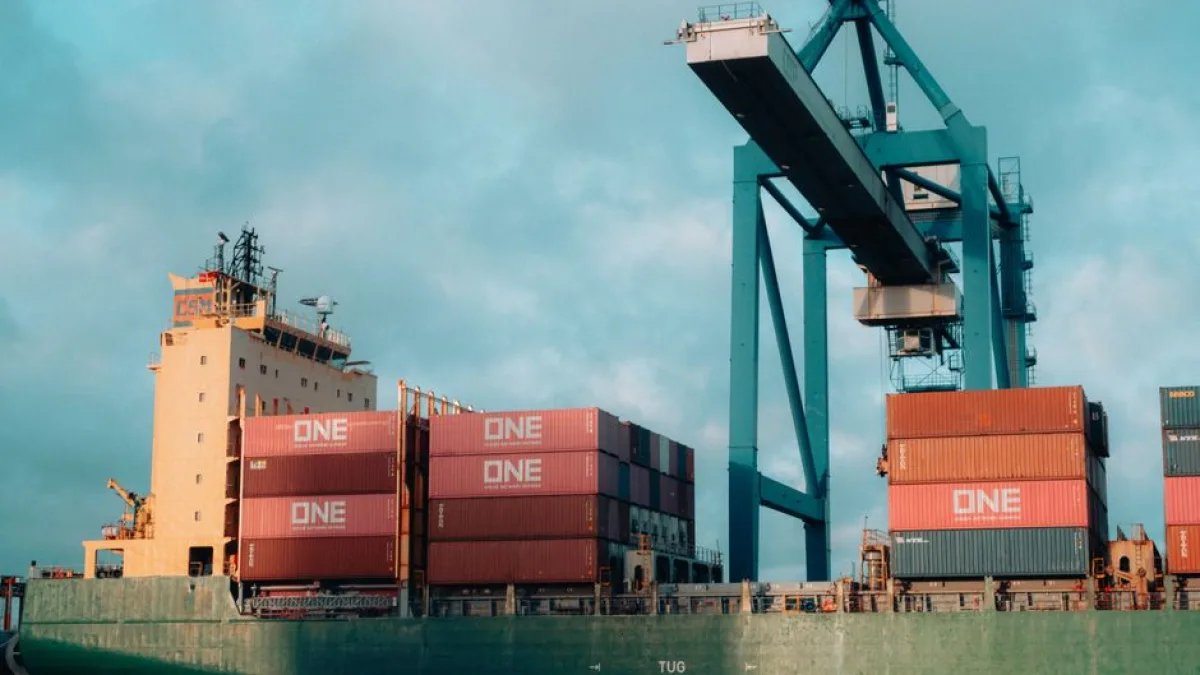
Environmental responsibility is becoming a major priority for shippers who want to lower their carbon footprint. Forwarders are now integrating greener shipping alternatives into their service portfolios to meet the growing demand for sustainable international trade logistics.
- Carbon emission calculators: Integrated tools provide accurate estimations of carbon output for different transit routes, helping your clients make informed decisions that align with their corporate sustainability goals today.
- Efficient route planning: Advanced mapping software helps identify the most fuel-efficient transportation paths, effectively reducing total carbon emissions while simultaneously lowering fuel costs for the entire shipping journey.
- Modal shift analysis: Sophisticated data analytics enable forwarders to suggest lower-emission alternatives such as rail or sea freight, offering greener options that still meet strict client delivery time requirements.
- Paperless shipping initiatives: Digitizing all communications and transit documents significantly reduces the need for physical supplies, contributing to a smaller environmental impact for your daily freight forwarding operations.
Sustainability is no longer just a marketing buzzword, but a core component of future-ready logistics strategies. By offering carbon-conscious shipping solutions, your business will attract eco-aware clients and stay ahead of emerging international regulations. Implementing these practices today demonstrates a commitment to global health while simultaneously finding new ways to optimize operational efficiency. Green logistics represents the future of competitive global trade.
Conclusion
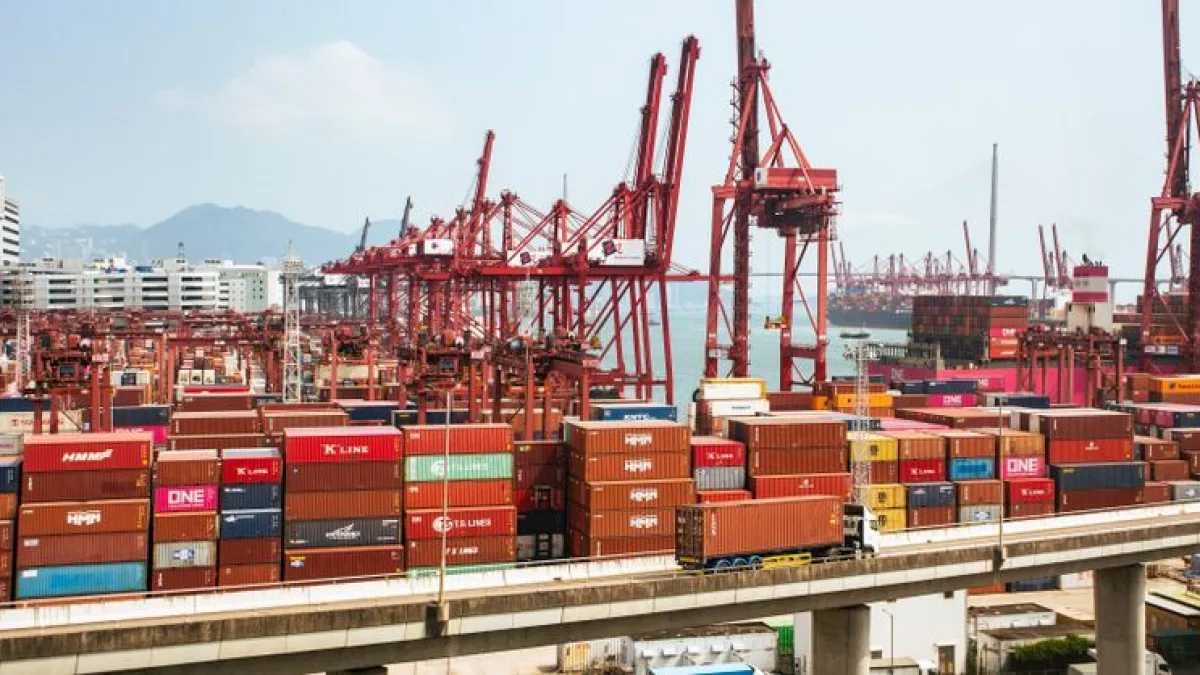
The freight forwarding industry is evolving rapidly, and embracing cloud-based platforms is the key to remaining relevant. By automating your documentation, optimizing warehouse activities, increasing cargo visibility, and committing to sustainable practices, you position your firm for sustained growth. Start exploring how digital tools can transform your daily workflows today and ensure your business stays ahead of the competition in this dynamic market.