Navigating the Future of Freight Forwarding Efficiency
Friday, September 11 2026

The global logistics landscape is undergoing a profound transformation as technology reshapes how goods move across international borders. Freight forwarders are increasingly facing pressure to provide real-time visibility, faster processing speeds, and seamless documentation workflows to meet client expectations in a competitive digital market. As manual processes give way to automated cloud platforms, professionals must adapt their operations to leverage data-driven insights. This shift is not just about keeping pace with competitors but about fundamentally improving service reliability and transparency for shippers who demand precision in an unpredictable supply chain environment.
Embracing Cloud Integration

Modern cloud systems allow logistics teams to centralize their operations into one digital interface. By removing data silos and enabling team collaboration across global offices, companies can ensure that every stakeholder accesses consistent, live information throughout the entire shipping lifecycle.
- Real time connectivity: Cloud-based platforms provide instant updates on shipment locations, ensuring that all partners have access to the latest milestones and statuses without needing to send manual emails.
- Operational data integrity: Centralizing records reduces the risk of human error by preventing duplicate entries and ensuring that all shipping documents are stored securely in a single location.
- Scalable business infrastructure: Modern software solutions allow forwarders to grow their operations without needing expensive hardware upgrades or complex local network configurations to support their expanding global client base.
- Secure remote access: Employees can manage shipments and resolve documentation issues from any location with internet access, providing the flexibility needed for modern, distributed logistics team work models.
Adopting a robust cloud platform serves as the foundation for future growth and operational success in the freight sector. By transitioning away from legacy tools, forwarders reduce technical debt and position their teams to handle complex logistics challenges with confidence. This strategic move creates a streamlined workflow that saves valuable time, allowing professionals to focus on high-level customer service rather than managing administrative burdens.
Optimizing Shipment Documentation

Automation software helps streamline the tedious process of preparing and validating shipping documents. By digitizing paperwork, forwarders minimize the frequency of manual typos and customs clearance delays that often plague traditional shipping operations at major international ports and terminals.
- Automated form generation: Intelligent software tools automatically pre-fill shipping documents with data from previous bookings, reducing the time spent on repetitive tasks and minimizing the risk of errors.
- Compliance verification protocols: Built-in validation checks ensure that all shipping documents meet current international trade regulations, preventing costly fines and delays at customs checkpoints for your clients.
- Seamless digital signatures: Electronic signing features facilitate faster approval cycles, allowing parties to execute critical shipping documents from anywhere in the world without mailing physical paper copies overseas.
- Standardized data exchange: Utilizing standardized formats ensures that documentation is compatible with customs systems, facilitating a smooth transition of goods through borders and reducing overall transit times globally.
Effective document management is the backbone of efficient freight forwarding operations in a modern digital economy. When data flows seamlessly between systems, teams can process bookings faster and provide superior results to their shipping partners. Moving toward a paperless environment not only enhances your operational speed but also contributes to corporate sustainability goals while delivering a cleaner and more professional image to customers.
Leveraging Predictive Analytics
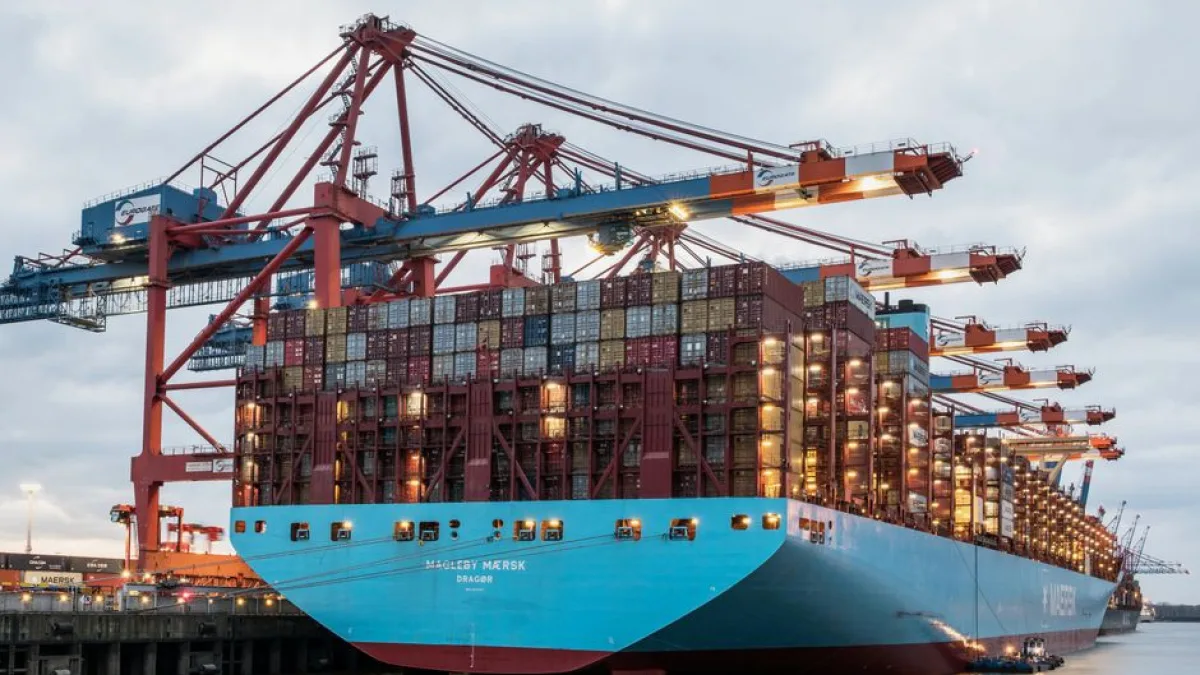
Advanced analytics tools allow logistics firms to forecast potential disruptions before they impact a shipment schedule. By analyzing historical data and current transit trends, professionals can make informed decisions that mitigate risk and improve long-term carrier selection and route planning.
- Proactive disruption alerts: Predictive algorithms monitor weather, port congestion, and geopolitical events to provide early warnings, allowing forwarders to reroute shipments and avoid major potential supply chain bottlenecks.
- Performance based insights: Detailed reporting on carrier performance metrics helps companies choose the most reliable partners, ensuring that service levels remain consistently high throughout the entire fiscal year.
- Smart cost optimization: Analyzing historical pricing data enables firms to identify cost-saving opportunities and negotiate better rates with carriers based on actual volume and consistent shipment history.
- Trend forecasting models: Understanding seasonal shifts in shipping demand allows teams to allocate resources efficiently, preparing for peak seasons without overextending their operational capacity or human staff.
Data is the most valuable asset for any modern logistics company aiming for market leadership. By transforming raw information into actionable insights, forwarders gain a significant competitive edge over those relying on intuition alone. This analytical approach leads to improved reliability and cost efficiency, which builds long-term trust with shippers who depend on your expertise to navigate the complex world of global freight.
Enhancing Customer Transparency
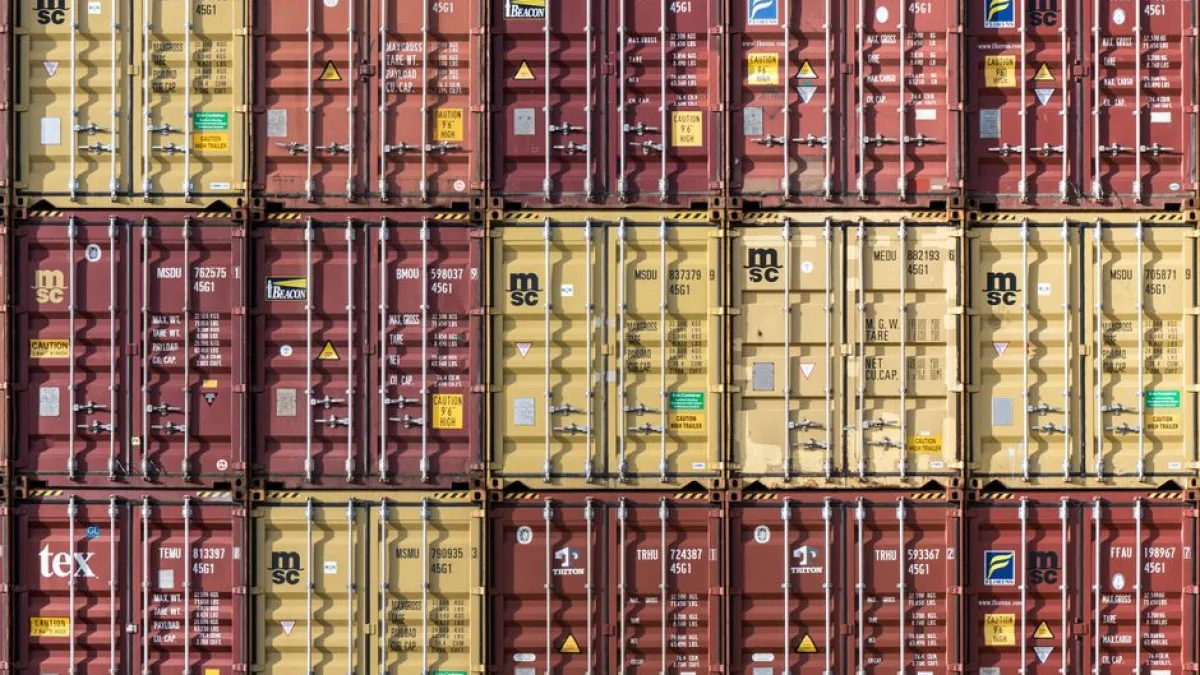
Today's shippers demand instant visibility into their freight movements through convenient, secure customer portals. Providing your clients with a transparent view of their shipments builds lasting trust and reduces the volume of repetitive inquiry emails flooding your staff inbox daily.
- Customer self service: Intuitive portals allow clients to track their own shipments, view invoices, and download necessary documents at any time without waiting for a manual status report update.
- Transparent communication channels: Automated notifications provide regular status updates directly to clients, keeping them informed about the movement of their goods and minimizing unnecessary phone calls and manual outreach.
- Brand consistency experience: Custom branded portals reinforce your company identity during every interaction, providing a professional interface that differentiates your services from competitors in a crowded logistics marketplace.
- Actionable client feedback: Integrating feedback loops directly into the portal allows you to monitor customer satisfaction levels, enabling you to improve service delivery based on actual user input.
Giving customers control over their shipping information creates a superior service experience that drives loyalty and referrals. As the industry continues to evolve, your ability to offer transparency through technology will become a defining feature of your brand. By investing in client-facing digital tools, you empower your customers while creating a more efficient and responsive environment that benefits every member of the supply chain.
Conclusion
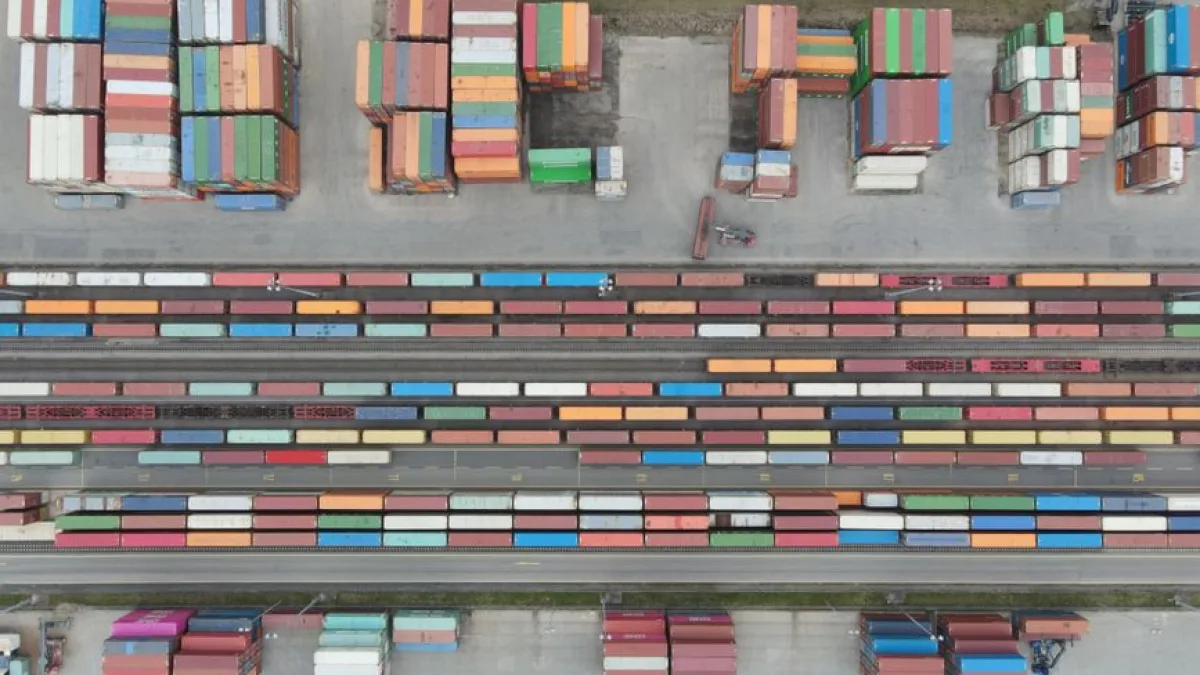
The freight forwarding industry is rapidly shifting toward a digital future where speed, accuracy, and visibility are paramount to maintaining a competitive edge. By embracing cloud technology, automating document processing, utilizing predictive analytics, and enhancing customer transparency, forwarders can successfully navigate current challenges. Start integrating these modern software solutions today to drive operational excellence and ensure your business thrives in an increasingly complex and interconnected global market.