Navigating the Future of Freight Forwarding Efficiency
Thursday, September 17 2026

The global logistics landscape is undergoing a profound transformation as technology reshapes how goods move across international borders. Freight forwarders are increasingly tasked with managing complex supply chains while maintaining strict cost control and transparency. This evolution demands a shift from manual, paper-heavy processes toward integrated, cloud-native platforms that offer real-time visibility and automated workflows. As market volatility continues to influence shipping rates and vessel availability, staying competitive requires a proactive approach to digital adoption. Professionals must leverage data-driven insights to mitigate risks, optimize transport routes, and deliver exceptional value to their clients in an increasingly fast-paced and interconnected global economy.
Digital Transformation Strategies

Modernizing logistics infrastructure requires a deep dive into automated documentation and real-time tracking solutions that bridge the gap between carriers and shippers. Moving away from legacy systems minimizes human error and significantly accelerates the pace of global trade operations for modern companies.
- Automated Workflow Integration: Seamlessly connect your booking engines with carrier portals to reduce manual data entry tasks while ensuring accuracy across every shipping document processed by your internal team.
- Real-time Shipment Visibility: Provide your customers with instant updates regarding vessel locations and port congestion statuses through integrated APIs that eliminate the need for constant phone status inquiries.
- Cloud Data Security: Protect sensitive client information by migrating from local spreadsheets to secure cloud environments that offer encrypted backups and rigorous access controls for all employees.
- Automated Rate Management: Utilize smart software to monitor fluctuating freight rates and surcharges, allowing your team to generate competitive quotes instantly without relying on slow manual calculations.
Adopting these strategies helps freight forwarders build a robust foundation for future growth. By eliminating bottlenecks and reducing repetitive tasks, teams can focus on higher value activities like account management and strategic planning. This shift not only improves internal productivity but also enhances the overall customer experience, ensuring that clients receive reliable service despite the constant challenges present within the complex global logistics environment today.
Optimizing Ocean Freight Logistics
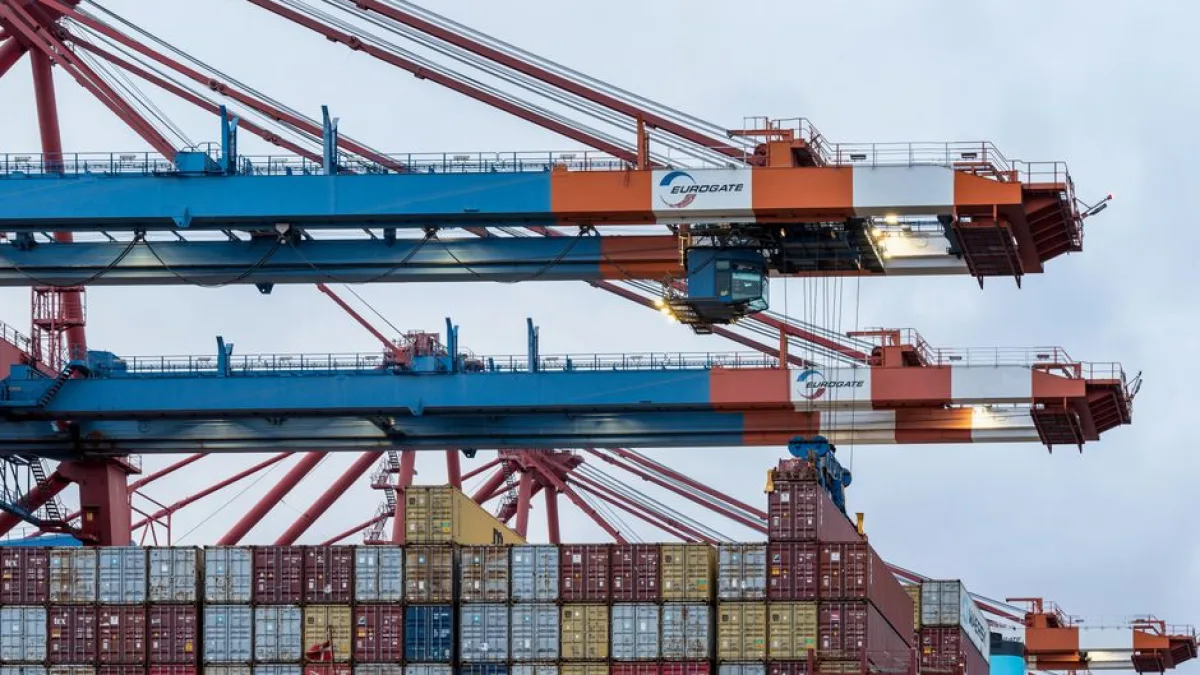
Ocean freight remains the backbone of international shipping, yet it faces persistent challenges related to port congestion and carrier reliability. Managing these variables effectively requires advanced planning and the use of digital tools to keep cargo moving forward smoothly.
- Predictive Capacity Planning: Analyze historical data to forecast peak season requirements and secure space allocations well in advance to avoid costly rollovers and unexpected delays for your cargo.
- Enhanced Port Monitoring: Integrate external tracking services into your platform to receive alerts about port strikes, weather events, or equipment shortages that could impact your shipping schedules.
- Container Lifecycle Tracking: Maintain full control over container movements from the depot to the final destination by using digital alerts to monitor dwell times and detention fees.
- Carrier Performance Analysis: Evaluate carrier reliability through detailed performance reports that highlight transit times and frequency of service disruptions, allowing for better selection of logistics partners.
Effective ocean freight management depends on maintaining clear lines of communication and utilizing accurate data to make informed decisions. By standardizing processes and leveraging automated alerts, forwarders can minimize the impact of external disruptions and keep client shipments on track. This proactive management style proves essential when navigating the complexities of international maritime trade during periods of high demand and market volatility.
Supply Chain Visibility Improvements

Transparency is the most important asset for a freight forwarder looking to distinguish their brand in a saturated market. When clients know exactly where their cargo is located, they gain trust and confidence in the services provided by the agency.
- Client Portal Access: Empower your customers with a secure self-service portal where they can view status updates, download documents, and check invoices without needing agent assistance.
- Multi-modal Tracking Integration: Combine data from ocean, air, and ground transport into a single view to provide a holistic understanding of the entire shipment lifecycle for clients.
- Exception Management Alerts: Set up automated triggers that notify your operations team immediately when a shipment falls behind schedule, allowing for rapid resolution before issues escalate.
- Digital Document Archiving: Ensure all bills of lading, customs declarations, and commercial invoices are digitized and searchable, simplifying the audit process and improving information retrieval speeds.
Transparency builds long term partnerships that withstand the pressures of fluctuating market rates. By providing stakeholders with a clear window into their supply chain, companies reduce the volume of status update requests and free up resources for growth. This dedication to information sharing transforms the forwarder from a simple service provider into a critical strategic partner for the long term success of clients.
Leveraging Advanced Logistics Analytics

Data is the lifeblood of modern freight forwarding, offering deep insights into performance metrics, profit margins, and operational efficiency. Converting raw data into actionable intelligence is a key step toward achieving long-term profitability and sustainable growth strategies.
- Profitability Analysis Tools: Break down costs at the shipment or client level to identify which lanes or services offer the best margins for your logistics business operations.
- Performance Trend Reporting: Visualize long-term operational trends to identify seasonal patterns, helping your management team allocate resources effectively throughout the year and plan for capacity changes.
- Customized Client Dashboards: Build tailor-made reports for your most important accounts that track key performance indicators relevant to their specific supply chain and inventory needs today.
- Regulatory Compliance Tracking: Monitor documentation deadlines and compliance requirements across different jurisdictions to ensure that your operations remain within the boundaries of international trade law consistently.
Analytics empower decision makers to move beyond gut feelings and rely on cold, hard facts. By identifying which aspects of the business are thriving and which require improvement, forwarders can make precise adjustments that yield significant results. Developing a data-centric culture ensures that every member of the team contributes to the efficiency and ultimate success of the organization in a competitive field.
Conclusion

The future of freight forwarding rests on the successful integration of smart technology and strategic operational planning. By focusing on digitalization, visibility, and data analysis, professionals can navigate the complexities of global trade with confidence. Implementing these changes today positions your company to handle tomorrow's challenges effectively. Start your journey toward improved efficiency by evaluating your current software capabilities and investing in scalable solutions.