Navigating the Future of Freight Forwarding Efficiency
Sunday, September 20 2026
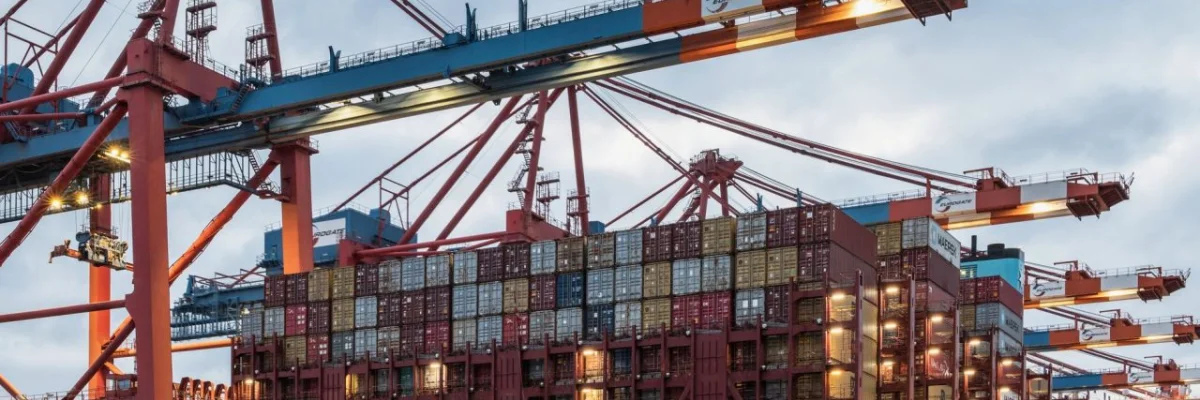
The global logistics landscape is undergoing a profound transformation as technology reshapes how goods move across international borders. Freight forwarders are increasingly tasked with managing complex supply chains while maintaining transparency and speed in an unpredictable market. For modern logistics companies, moving away from manual, paper-based processes toward integrated digital platforms is no longer a luxury but a necessity for survival. By embracing automation and data-driven decision-making, professionals can unlock new levels of productivity. MakeCargo supports these forward-thinking businesses by providing robust tools designed to simplify workflows, enhance collaboration, and ensure that every shipment reaches its final destination with total precision.
Adapting to Digital Transformation

Modern digital platforms allow logistics teams to centralize their operations into a single interface. By replacing fragmented spreadsheets and email chains with unified software solutions, forwarders can significantly reduce the risk of manual error while improving overall speed and service quality.
- Automated Data Entry: Eliminating manual input tasks saves countless hours and prevents costly mistakes that occur when information is transcribed from paper documents into digital systems during complex shipments.
- Real-Time Tracking Visibility: Clients demand immediate status updates, and digital integration provides the live tracking information necessary to keep stakeholders informed throughout the entire lifecycle of their cargo.
- Unified Communication Hubs: Centralizing discussions within a platform prevents critical details from getting lost in overflowing inboxes and ensures that every team member has access to current updates.
- Cloud Storage Benefits: Storing documentation in the cloud allows remote teams to access vital paperwork securely from any location, fostering better collaboration across different global office branches.
As the industry moves toward complete digital adoption, companies that refuse to modernize will inevitably struggle to maintain competitive pricing and service speeds. Leveraging advanced cloud software enables firms to scale operations effectively without adding administrative burden. This shift provides a solid foundation for long-term growth, allowing staff to focus on solving high-level logistical problems rather than managing endless streams of repetitive digital paperwork.
Optimizing Warehouse Workflow Operations

Warehouse efficiency is the backbone of successful freight forwarding. When inventory management is synchronized with shipping schedules, firms can minimize downtime and maximize space utilization. Modern tools ensure that every unit is tracked accurately from arrival through the final departure process.
- Dynamic Slotting Techniques: Optimizing where goods are stored within the facility reduces travel time for workers, leading to faster loading and unloading cycles during peak shipping activity seasons.
- Automated Inventory Tracking: Utilizing barcode scanning ensures that stock levels are always accurate, preventing backorders or delayed shipments caused by unforeseen discrepancies in the physical count of units.
- Enhanced Load Planning: Advanced software tools help planners calculate the most efficient stacking patterns to ensure maximum container utilization while adhering to strict safety and weight requirements.
- Predictive Staff Scheduling: Data analysis allows managers to predict busy periods and schedule labor hours accordingly, ensuring that operations remain smooth even during high-volume international trade peaks.
Improving warehouse performance requires a commitment to process refinement and consistent technology updates. By identifying bottlenecks in the physical movement of goods, forwarders can redesign their internal flows for maximum throughput. Investing in these operational enhancements ultimately results in lower overhead costs and improved client satisfaction scores, proving that well-managed facilities are a vital component of any successful and scalable global freight strategy.
Strengthening Global Partner Relationships
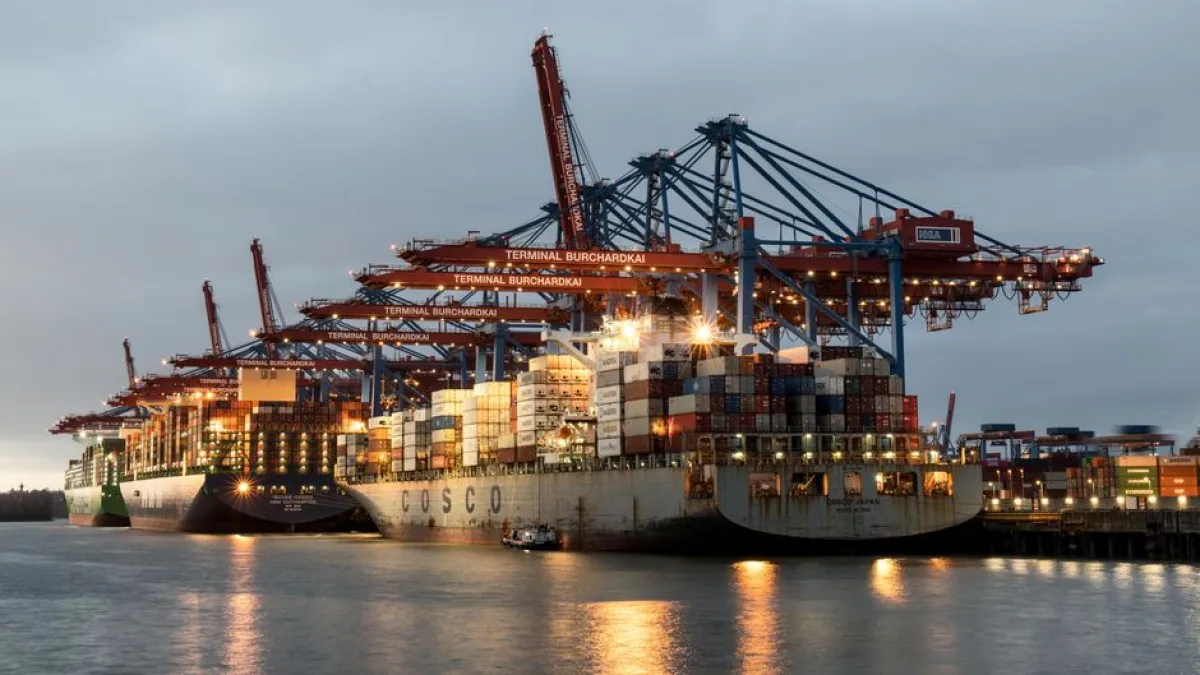
Maintaining strong partnerships across the international logistics chain is vital for managing delays. By prioritizing transparency and regular information sharing with carriers and customs brokers, forwarders can build a resilient network that withstands the common pressures found in modern shipping.
- Transparent Information Sharing: Building trust with partners begins by providing clear data access, which reduces tension and helps all parties coordinate their efforts toward common shipping goals.
- Proactive Conflict Resolution: Establishing protocols for handling delays ensures that when issues arise, the team is prepared to take immediate action instead of waiting for external confirmations.
- Standardized Documentation Processes: Agreeing on uniform file formats and naming conventions speeds up customs clearance significantly, reducing the time that cargo spends sitting idle in port facilities.
- Strategic Network Collaboration: Shared software platforms allow local agents to update international partners instantly, creating a synchronized view of supply chain events for all involved stakeholders and entities.
Collaboration thrives when communication is reliable and centralized. By investing in tools that facilitate seamless cooperation with global agents, freight forwarders create a competitive advantage that is difficult for rivals to replicate. These solid relationships often serve as the first line of defense during periods of port congestion or major weather events, ensuring that your company remains a preferred partner for global business.
Prioritizing Data-Driven Decision Making

Data is the most valuable asset for a freight forwarder looking to improve margins. By analyzing historical shipment patterns and transit costs, companies can identify trends that reveal new ways to optimize routes, reduce fuel consumption, and lower overall operational expenditure for clients.
- Detailed Cost Analysis: Reviewing every aspect of freight spend helps identify hidden fees, allowing companies to negotiate better rates and improve the final pricing offered to their customers.
- Performance Metric Tracking: Monitoring key performance indicators like on-time arrival rates helps identify which carriers provide the best value and which partners require a more rigorous review.
- Trend Forecasting Tools: Utilizing advanced analytics helps managers predict upcoming seasonal spikes in demand, enabling better resource allocation and smarter inventory planning for the months ahead.
- Regulatory Compliance Reporting: Automatic reporting features ensure that all operations stay within legal guidelines, reducing the risk of fines and avoiding potential delays caused by incorrect filings.
Transforming raw logistics data into actionable insights allows leaders to make confident decisions about their business direction. Rather than relying on gut feelings, managers who utilize platform metrics can prove the value of their services through tangible results. This evidence-based approach is essential for maintaining high client retention rates and securing new contracts, as customers increasingly value transparency in their logistics partners.
Conclusion

The future of freight forwarding rests on the successful integration of technology and strategic human insight. By modernizing warehouse processes, fostering deeper partner relationships, and embracing data-driven decision making, logistics firms can navigate complex challenges with ease. Start your digital transformation today to ensure your business remains at the forefront of the industry. Visit MakeCargo to discover how our platform can support your growth.