Navigating the Future of Freight Forwarding Technology
Sunday, August 2 2026
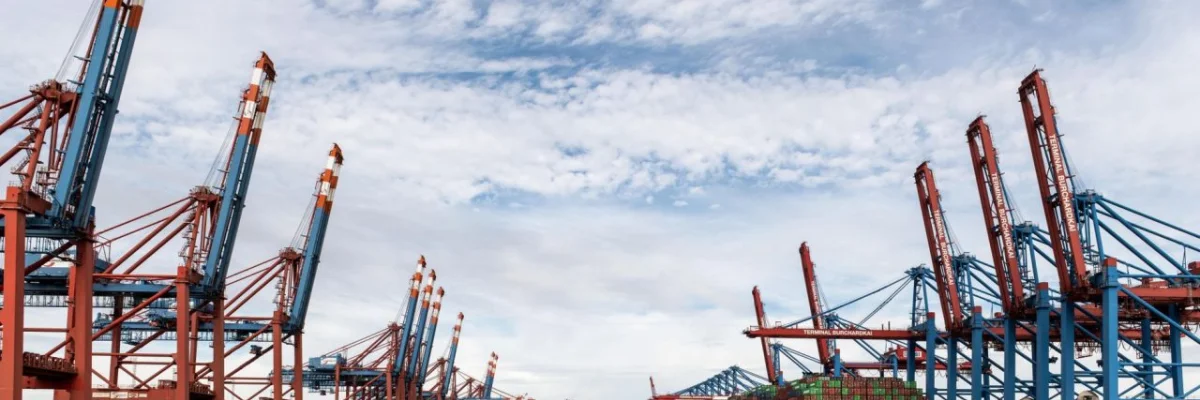
The global logistics landscape is undergoing a profound transformation as digitalization moves from a competitive advantage to a fundamental operational requirement. Freight forwarders are increasingly facing pressure to modernize their legacy systems to meet the demands of a fast-paced market. With supply chain transparency becoming the new standard for shippers, forwarders must leverage cloud-based platforms to streamline operations, automate documentation, and provide real-time visibility. By embracing these technological shifts, industry professionals can reduce overhead costs, improve customer satisfaction, and build resilient networks capable of weathering future disruptions in international trade and complex global transportation corridors.
The Rise of Automated Documentation
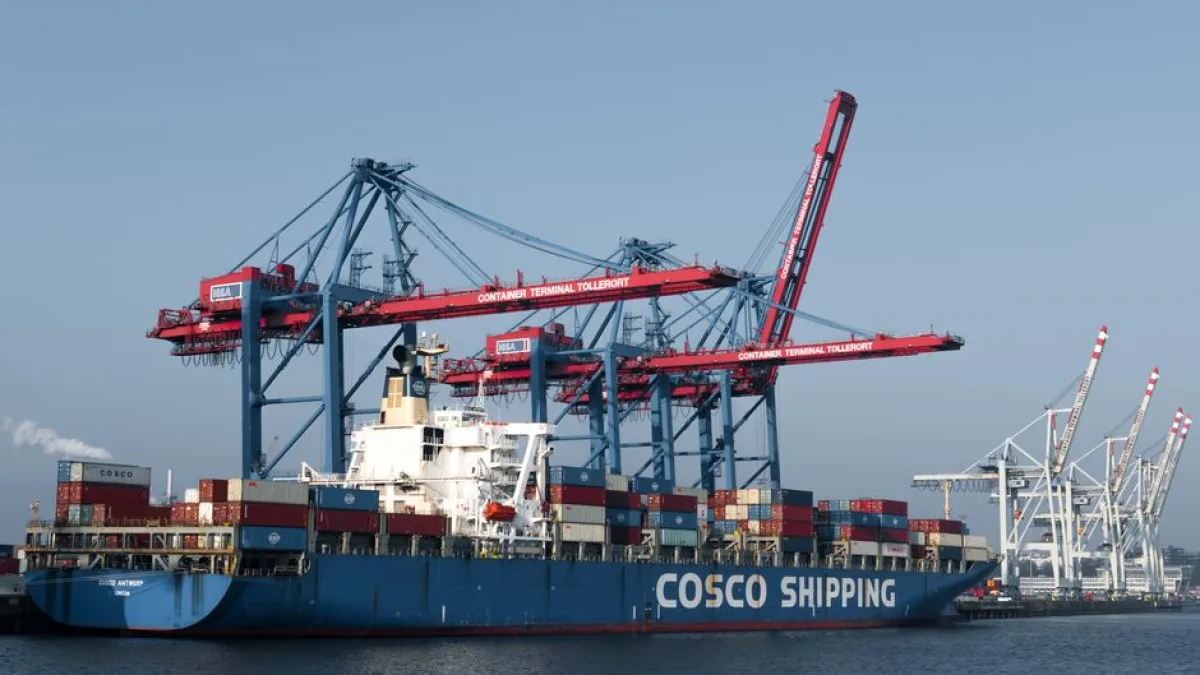
Automated documentation tools are revolutionizing how forwarders handle complex paperwork, significantly reducing the risk of human error during entry. By digitizing workflows, firms can ensure compliance with international regulations while accelerating the speed of customs clearance for their diverse client base.
- Enhanced accuracy levels: Automated systems eliminate manual data entry errors that often lead to costly delays and administrative bottlenecks, ensuring every manifest and bill of lading remains perfectly synchronized throughout transit.
- Faster document processing: Digital platforms allow your team to generate, share, and sign essential shipping documents in seconds, drastically cutting the time spent on manual handling or email exchanges.
- Regulatory compliance support: Integrated software keeps you updated with the latest customs requirements, helping you avoid hefty penalties while maintaining smooth movement of goods across sensitive international borders.
- Standardized data formats: Using consistent digital templates across your organization ensures that every shipment file follows the same rigorous standards, making audits easier and boosting overall operational efficiency.
- Centralized document storage: Keeping all client records in a secure cloud repository enables instant access for authorized personnel, preventing the loss of critical files during stressful peak seasons.
Adopting automated documentation is no longer an optional upgrade but a vital necessity for forwarders aiming to maintain a competitive edge. By removing the burden of manual paperwork, your staff can focus on high-value tasks that drive revenue and growth. This strategic shift empowers your business to handle higher shipment volumes without the need for additional headcount, ultimately maximizing your firm's total profitability and longevity.
Real-Time Visibility for Shippers

Providing customers with live tracking updates is now the primary expectation for modern logistics providers. By integrating advanced tracking sensors and API connections, forwarders can offer full transparency into the location and status of cargo moving across any global trade lane.
- Live location monitoring: Advanced GPS technology provides your clients with constant visibility, allowing them to track shipments in real time from the warehouse departure to the final delivery.
- Proactive disruption management: By receiving instant alerts regarding port congestion or weather delays, your team can pivot quickly and inform clients, effectively minimizing the impact of unforeseen problems.
- Improved client transparency: Granting shippers access to a custom portal builds immense trust, as they can independently monitor their cargo status without needing to contact your support staff.
- Data driven decisioning: Real time data insights enable your team to identify inefficient routes or carrier performance issues, allowing for strategic adjustments that improve overall transit times significantly.
- Competitive market differentiation: Offering superior tracking capabilities makes your service more attractive to large shippers who prioritize supply chain reliability and demand immediate information for their complex logistics strategies.
Delivering consistent updates to your clients creates a transparent partnership that fosters long-term loyalty and repeat business. When you show your customers that you care about their cargo as much as they do, you transform from a simple service provider into a trusted supply chain partner. This proactive approach significantly reduces the time your team spends answering routine status requests, increasing productivity across teams.
Cloud Computing for Scaling Operations

Cloud computing serves as the backbone for scalable freight logistics, offering the flexibility to grow operations without massive infrastructure investments. Moving to the cloud allows forwarders to access critical business data from any location while ensuring high levels of cybersecurity protocols.
- Seamless system integration: Modern cloud platforms connect easily with your existing accounting or carrier management tools, creating a unified ecosystem that eliminates data silos within your global business.
- Remote team collaboration: Cloud based systems allow your staff to work from anywhere in the world, facilitating better coordination between international offices and local warehouse operations teams.
- Robust data security: High level encryption and regular automated backups protect your sensitive client information from unauthorized access, ensuring you meet the strictest international data privacy standards.
- Lower infrastructure overhead: By utilizing a SaaS model, you avoid the high costs of maintaining physical servers, shifting your budget toward strategic growth and customer acquisition efforts.
- Rapid feature deployment: Cloud providers release frequent software updates, ensuring your operations team always has access to the latest tools and security features without manual system maintenance.
Migrating your infrastructure to the cloud provides the agility required to handle seasonal fluctuations in volume and sudden market shifts. As your company scales, you can easily add new users and modules to support increased complexity without interrupting your daily workflows. This modern approach to technology management ensures that your organization remains nimble, secure, and ready to tackle the challenges of the modern logistics environment.
AI and Predictive Analytics Integration

Artificial intelligence is unlocking new potential in logistics by predicting trends and optimizing freight routing with incredible precision. Predictive analytics helps forwarders foresee capacity constraints, allowing for proactive capacity booking and improved pricing strategies that maximize margins while keeping clients happy during market volatility.
- Predictive demand forecasting: Machine learning algorithms analyze historical shipping data to predict future volume, helping you book carrier space early and avoid paying premium last minute spot rates.
- Optimized route planning: AI analyzes traffic patterns, port congestion, and fuel costs to recommend the most efficient transportation routes, saving time and reducing the total carbon footprint involved.
- Dynamic pricing models: Automated tools adjust your service quotes based on real time market conditions, ensuring that your rates are always competitive yet profitable for your firm.
- Automated exception handling: Intelligent systems can identify potential issues before they become full blown problems, suggesting corrective actions that save your team hours of manual troubleshooting time.
- Personalized client reports: AI generated analytics provide your customers with deep insights into their own shipping habits, offering value added services that go beyond basic freight movement.
Integrating artificial intelligence into your daily operations marks the true transition into a technology-first logistics organization. These advanced tools do not replace human expertise but rather amplify it, allowing your team to make smarter decisions faster than ever before. Embracing this evolution ensures that you remain at the forefront of the industry, delivering innovative solutions that consistently exceed the high expectations of global shippers.
Conclusion

The integration of modern digital tools into your freight forwarding workflow is the most critical step toward long-term success. By embracing automation, visibility, cloud infrastructure, and artificial intelligence, your company will be well-positioned to handle future industry shifts. Focus on refining your current processes today to ensure your team is ready for the digital future. Start your modernization journey with MakeCargo to see immediate results.