Navigating the Future of Freight Forwarding Technology
Monday, August 3 2026

The global logistics landscape is undergoing a profound transformation as digitalization moves from a competitive advantage to a fundamental operational necessity. Freight forwarders are increasingly facing pressure to integrate advanced cloud platforms that offer real-time visibility, automated documentation, and seamless communication across complex supply chains. As manual processes give way to data-driven decision making, companies that fail to adopt modern software solutions risk falling behind in an industry that demands speed, accuracy, and absolute transparency. This article explores the vital technological shifts currently reshaping how freight professionals manage their international cargo operations and ensure long-term stability.
The Rise of Automated Documentation

Automation in documentation is removing the heavy burden of manual data entry from staff members. By utilizing intelligent software, forwarders can now process bills of lading and customs declarations in seconds, effectively eliminating human error and accelerating critical document flow speeds.
- Improved Data Accuracy: Automated systems pull data directly from original sources to prevent typos and miscommunications, ensuring that every shipment detail remains perfectly consistent throughout the entire transport lifecycle.
- Faster Processing Times: Digital workflows drastically reduce the time spent on repetitive clerical tasks, allowing your team to focus their valuable energy on strategic business growth and client acquisition.
- Reduced Compliance Risk: Sophisticated software automatically flags missing information or regulatory discrepancies before submission, helping your agency stay compliant with evolving international trade laws without costly legal oversight delays.
- Seamless Document Sharing: Centralized cloud repositories provide secure access to essential shipping files, enabling stakeholders to review, approve, and sign documents instantly from any location around the world.
Adopting automated documentation is the fastest path toward operational excellence for modern freight agencies. By removing the reliance on physical paperwork and manual updates, forwarders can handle higher volumes of shipments with the same team size. This shift not only lowers overhead costs but also significantly improves client satisfaction by providing rapid, error-free documentation that keeps their supply chain moving smoothly toward their final destinations.
Achieving Real-Time Shipment Visibility
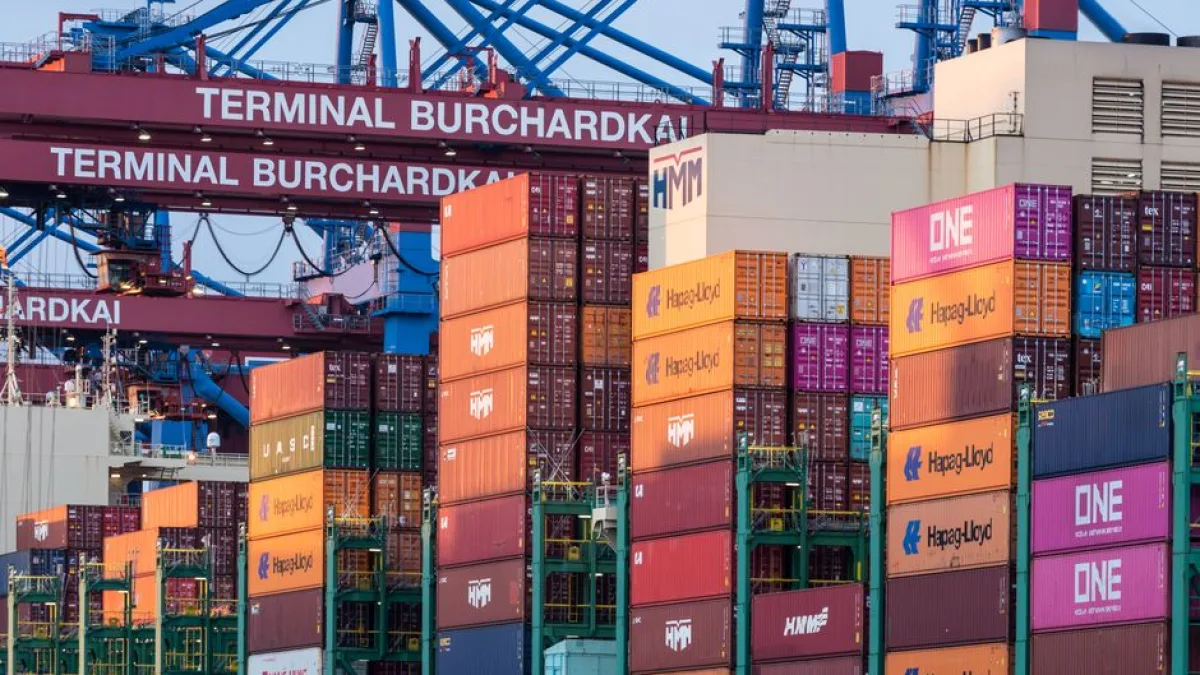
Visibility is no longer just a luxury feature but an essential requirement for modern clients. Forwarders who leverage cloud-based tracking tools can provide accurate location updates, allowing businesses to mitigate risks associated with delays and maintain tight control over inventory.
- Live Tracking Updates: Advanced GPS integration provides consistent location data for ocean, air, and road freight, keeping your clients informed about every mile of their shipment journey today.
- Proactive Delay Alerts: Automated notifications warn forwarders about potential weather issues or port congestion, giving them time to offer alternative routing solutions before problems escalate into major disruptions.
- Enhanced Client Trust: Sharing live dashboards builds transparency with your customers, showing that your agency is dedicated to proactive communication and maintaining high service standards every single day.
- Inventory Management Integration: Syncing tracking data with client warehouse systems helps businesses manage their stock levels more effectively, reducing the need for expensive safety stock or emergency air freight.
Providing real-time visibility transforms the client relationship from a reactive service into a proactive partnership. When forwarders share live data, they demonstrate a level of competence and reliability that justifies long-term service contracts. Clients value transparency above almost all other factors when choosing a logistics provider, making high-quality tracking tools an essential investment for any forwarder aiming to stay competitive in the market.
Integrating Cloud Based Platforms
Cloud infrastructure serves as the backbone for modern digital freight operations. By migrating legacy systems to the cloud, forwarders achieve unmatched scalability, remote work capabilities, and superior data security that protects sensitive business intelligence from common cyber threats in the logistics sector.
- Scalable Software Infrastructure: Cloud platforms grow alongside your business, allowing you to add new users or features instantly without needing expensive hardware upgrades or complex local network configurations.
- Secure Remote Access: Team members can collaborate effectively from any geographic location using secure encrypted connections, which is vital for maintaining productivity in a globalized shipping environment today.
- Automatic System Updates: Cloud providers handle all software maintenance and security patching, ensuring your team always uses the latest features without requiring manual installations or downtime for updates.
- Improved Collaboration Tools: Integrated communication modules allow dispatchers, warehouse staff, and agents to interact within the same interface, ensuring that everyone remains aligned throughout the entire shipping process.
Transitioning to cloud-based systems is the most strategic move a forwarder can make for future-proofing their agency. This technological foundation supports a modern workforce while providing the flexibility required to adapt to rapidly changing market demands. By embracing the cloud, freight companies move away from fragmented workflows and toward a unified digital ecosystem that fosters efficiency, collaboration, and consistent delivery of high-quality logistics services.
Leveraging Advanced Data Analytics

Data analytics provides forwarders with actionable insights regarding carrier performance, profit margins, and market trends. Instead of relying on intuition, businesses can now use historical data to predict future demand and optimize their network strategies for maximum profitability and improved delivery efficiency.
- Predictive Capacity Planning: Analyzing seasonal shipping data helps forwarders predict capacity shortages in advance, allowing them to secure space with carriers before competitors drive up prices significantly for clients.
- Carrier Performance Scoring: Detailed analytics help identify which shipping lines or trucking partners offer the best value and reliability, helping you build a stronger network of service providers.
- Profit Margin Analysis: Drilling down into shipment profitability metrics reveals hidden costs that might be eroding your bottom line, allowing you to adjust pricing strategies for better financial health.
- Strategic Business Growth: Using visualized data reports allows leadership teams to identify new profitable trade lanes or emerging markets that align perfectly with their core service competencies today.
The power of data analytics turns every shipment into a learning opportunity that fuels long-term business success. By closely monitoring performance metrics, forwarders move from simple service providers to indispensable supply chain consultants. This analytical approach ensures that every business decision is backed by solid evidence, reducing risk and allowing for confident planning as the global trade environment continues to shift and evolve daily.
Conclusion
Adopting these technological advancements is essential for every freight forwarder aiming to succeed in today's complex market. From automating documentation to utilizing data analytics, these tools improve efficiency and build stronger client relationships. By integrating a robust software platform like MakeCargo, forwarders gain the flexibility and visibility required to thrive. Start your digital journey now to ensure your agency stays ahead of the competition.