Navigating the Future of Freight Forwarding Technology
Tuesday, August 11 2026
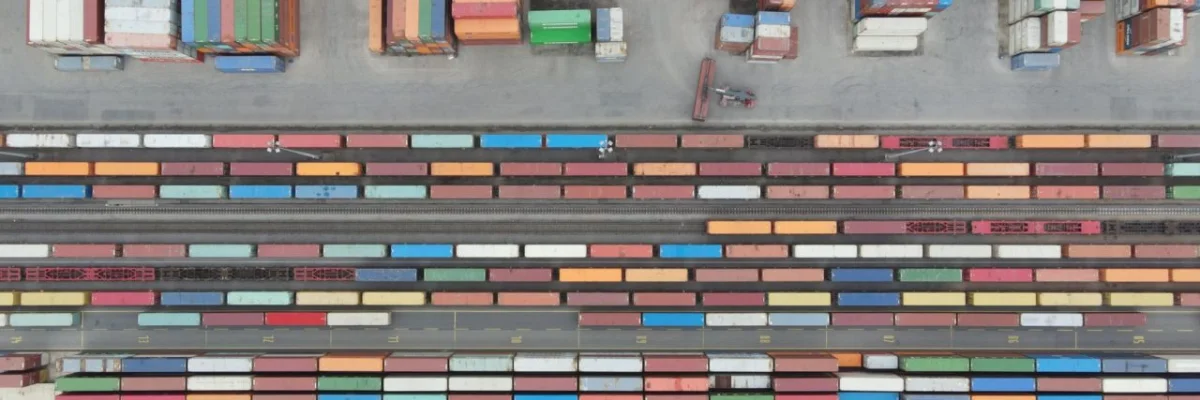
The global logistics landscape is undergoing a profound transformation as digitalization moves from a competitive advantage to a fundamental operational necessity. Freight forwarders are increasingly facing pressure to enhance transparency, optimize supply chain visibility, and reduce manual administrative burdens. As cargo volumes fluctuate and market demands evolve, adopting robust cloud-based software has become the primary strategy for firms looking to scale efficiently. By integrating automated workflows and real-time data tracking, professionals can reclaim their time from repetitive tasks and focus on delivering high-value logistics solutions that keep international trade moving smoothly in an unpredictable global economic climate.
Embracing Digital Transformation
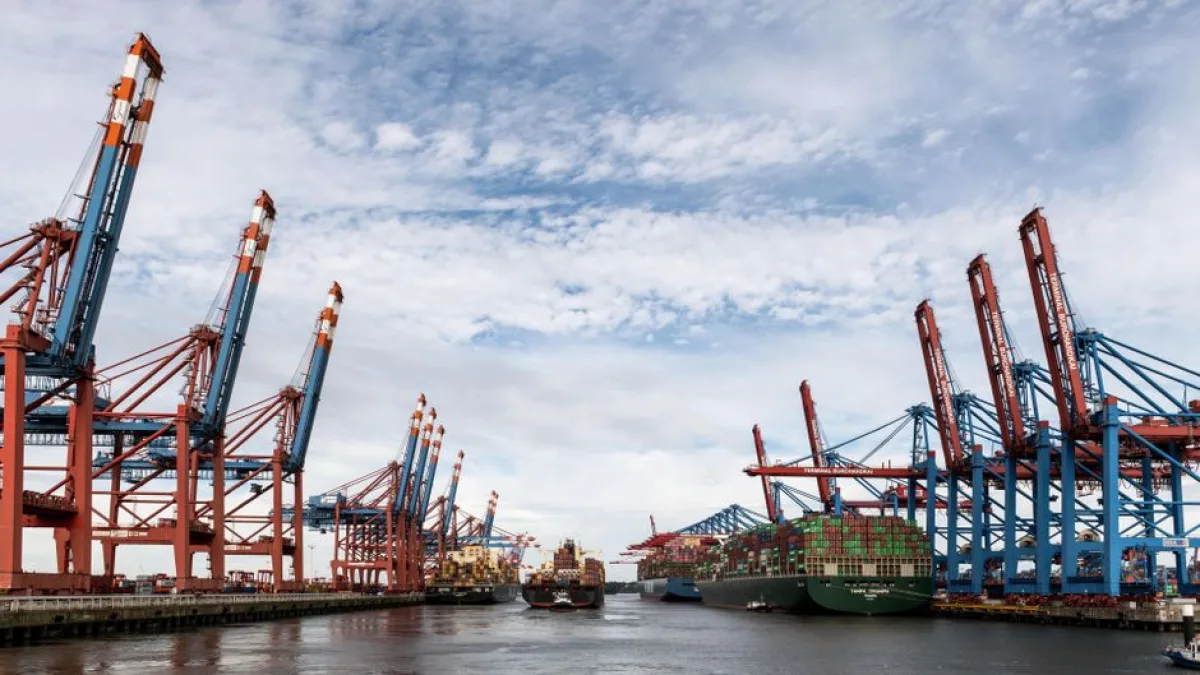
Digital transformation serves as the backbone of modern logistics operations. By leveraging advanced software solutions, companies can connect siloed systems to ensure data flows seamlessly across departments, ultimately reducing errors and improving the overall speed of document processing and shipment coordination.
- Automated Workflow Efficiency: Modern platforms allow forwarders to automate repetitive tasks like invoicing and booking, which significantly cuts down on manual entry errors while increasing the speed of daily operations.
- Centralized Data Management: Having a single source of truth for all shipment documents ensures that teams can access critical information instantly, regardless of their physical location or time.
- Scalable Cloud Infrastructure: Cloud-based systems provide the flexibility needed to expand service offerings without the constant need for expensive on-site server maintenance or complicated hardware update cycles.
- Enhanced Interoperability Standards: Modern software integrates easily with existing carrier APIs, allowing for a more unified view of the supply chain that benefits both the forwarder and clients.
Adopting digital tools represents a paradigm shift for freight forwarders who want to maintain a competitive edge. This transition is not merely about replacing paper with screens but rather fundamentally rethinking how business processes function. As firms integrate these technologies, they find that operational bottlenecks disappear, allowing for better resource allocation and a more resilient business model that can withstand global supply chain disruptions.
Prioritizing Supply Chain Visibility

Transparency is no longer optional in today's market. Clients demand real-time updates regarding their freight location and status. Providing this level of granularity requires sophisticated tracking integrations that push data directly to stakeholders, fostering trust and long-term business partnerships.
- Real-time Tracking Updates: Advanced software platforms provide automatic location updates, ensuring that clients always know where their cargo is during every stage of the international shipping process.
- Proactive Exception Management: Identifying potential delays early allows freight forwarders to communicate effectively with clients, suggesting alternative routes or solutions before a minor issue becomes a crisis.
- Stakeholder Transparency Portals: Giving customers access to a dedicated portal for tracking shipments reduces the volume of status inquiries handled by support staff via phone calls.
- Data-Driven Decision Making: Analytical dashboards help firms identify trends in transit times, helping them select the most reliable carriers and routes for future high-priority cargo loads.
Visibility serves as the cornerstone of customer satisfaction. When forwarders provide clients with precise, up-to-the-minute data, they eliminate the anxiety associated with international transit. This level of service differentiates a company from its competitors who might still rely on manual status updates. By investing in better visibility tools, businesses can transform their service delivery into a value-added product that ensures long-term customer loyalty.
Leveraging Artificial Intelligence Tools
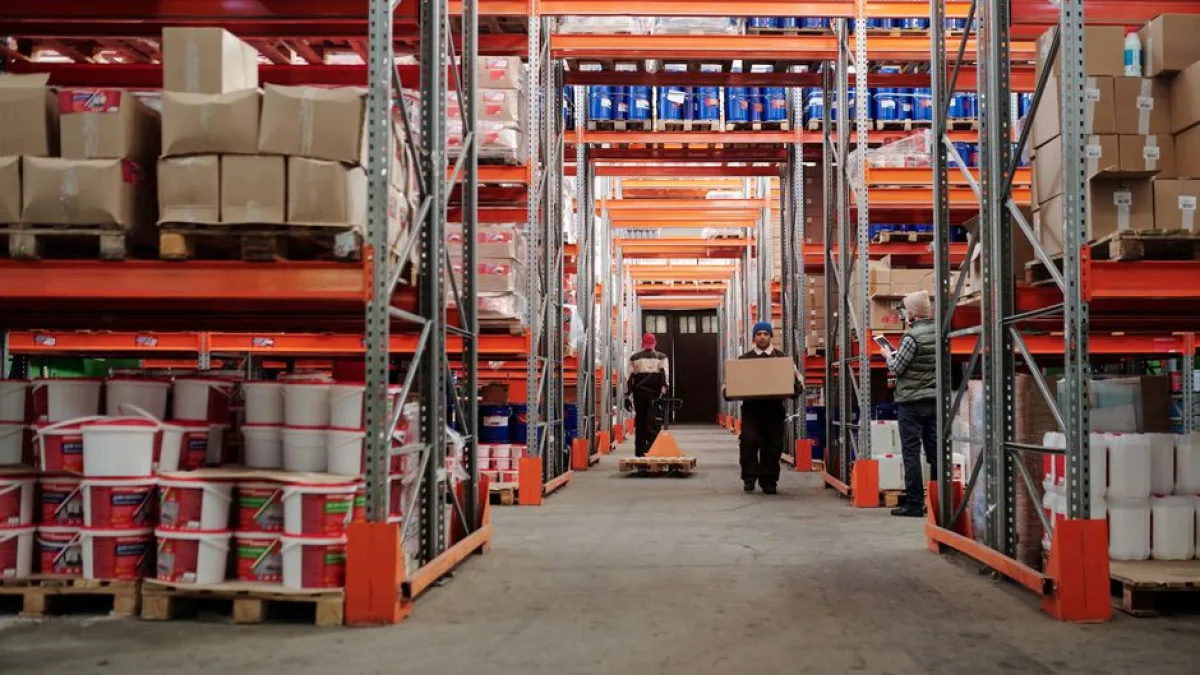
Artificial intelligence is quickly becoming a game changer for the logistics industry. By utilizing predictive algorithms, freight forwarders can forecast demand spikes and optimize routing strategies, transforming raw data into actionable insights that significantly improve bottom-line performance and operational efficiency.
- Predictive Routing Analytics: AI algorithms analyze historical transit data to recommend the most efficient routes, effectively minimizing transit times and reducing overall fuel consumption for shipping operations.
- Intelligent Document Parsing: Smart software can extract data from bills of lading or commercial invoices automatically, drastically reducing the time staff spend on tedious manual verification.
- Demand Forecasting Models: By analyzing past shipping volumes, businesses can better prepare for seasonal fluctuations, ensuring they have the necessary capacity to handle peak industry demands effectively.
- Automated Customer Notifications: AI systems can trigger proactive alerts to customers based on specific shipping milestones, which improves communication without requiring extra effort from account managers.
AI adoption does not mean replacing human expertise but rather empowering staff to perform at a higher level. By offloading complex data analysis to machines, logistics professionals can dedicate their energy to relationship building and complex problem-solving. This human-machine partnership allows firms to process higher volumes of cargo with greater accuracy, setting the stage for sustainable growth in an increasingly crowded global market.
Building Resilient Operations

Resilience is built through preparation and the ability to adapt to sudden changes. Freight forwarders must develop flexible strategies that account for global market instability. With the right software foundation, companies can rapidly pivot their operations to mitigate risks and protect their client relationships.
- Diversified Carrier Networks: Maintaining a wide network of reliable partners ensures that firms can secure capacity even during periods of intense global supply chain volatility.
- Secure Data Backups: Cloud platforms provide robust security protocols and automated backups, protecting sensitive business information against the constant threat of cyber attacks or hardware failures.
- Flexible Pricing Models: Digital tools enable forwarders to quickly adjust pricing quotes based on fluctuating fuel costs and carrier rates, ensuring profitability while remaining market competitive.
- Comprehensive Compliance Tracking: Automated systems manage complex regulatory documentation, ensuring that all shipments meet international standards and preventing costly delays caused by paperwork errors or omissions.
Resilient operations define the most successful firms in the freight industry. By focusing on security, flexibility, and compliance, forwarders protect their reputations while ensuring continuous service for their clients. This proactive approach turns potential liabilities into strengths, allowing companies to thrive regardless of external economic conditions. Investing in resilience today ensures that businesses remain functional and profitable through any future industry changes.
Conclusion

The future of freight forwarding depends entirely on the willingness of professionals to embrace technology. By integrating cloud-based platforms that prioritize visibility, automation, and AI, firms can transform their operations. This shift is not just about keeping pace with competitors but about creating a superior logistics experience for every client. Start your digital evolution today to secure a strong position in the global market.