Navigating the Future of Freight Forwarding Technology
Friday, August 14 2026

The global logistics landscape is undergoing a period of rapid transformation as digital integration becomes the standard for modern freight forwarders. Companies are no longer relying on manual spreadsheets to manage complex supply chains, opting instead for cloud-based platforms that provide real-time visibility and automated workflows. This shift is not merely a trend but a necessary evolution to handle the increasing demands for transparency from shippers. As international trade routes become more volatile, the ability to pivot operations using data-driven insights is now the primary competitive advantage for forwarders seeking to scale their businesses efficiently in this modern age.
Embracing Cloud Integration
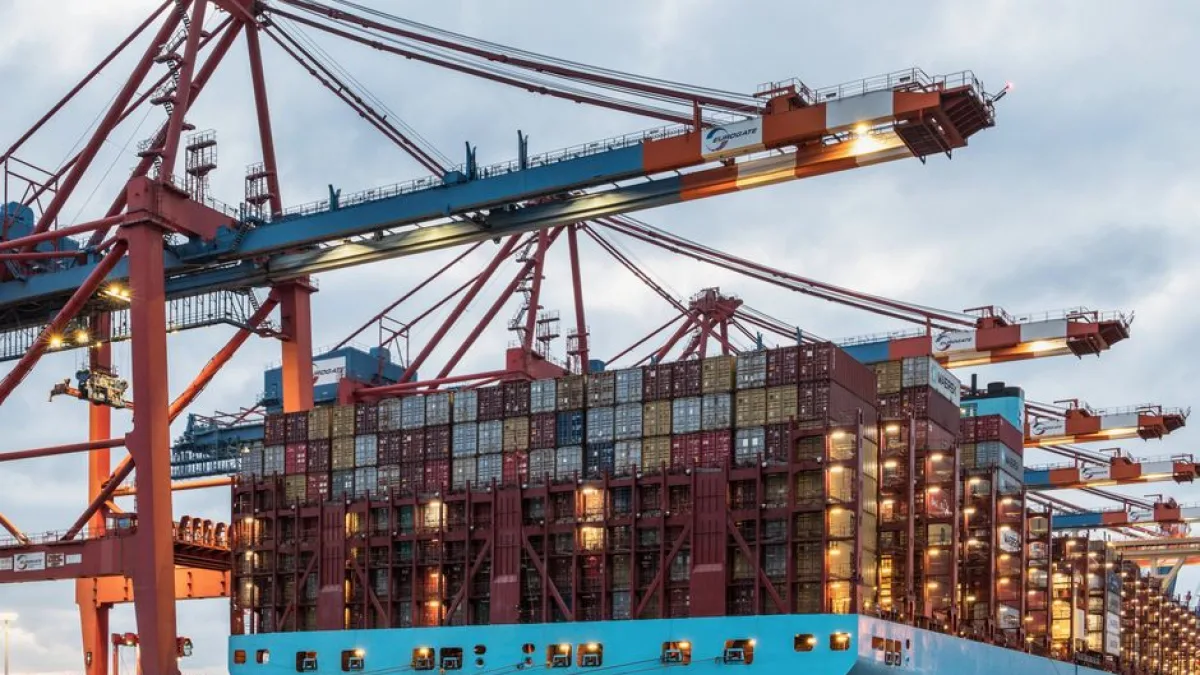
Transitioning to cloud-native platforms allows logistics teams to access critical shipment data from anywhere in the world. This centralized approach eliminates communication silos and ensures that every stakeholder remains informed during each stage of the transit process for improved operational performance.
- Real time connectivity: Cloud systems enable seamless data exchange between carriers and forwarders, ensuring that updates are reflected instantly across the entire supply chain network for all parties involved.
- Enhanced data security: Modern cloud infrastructures implement advanced encryption protocols to protect sensitive customer information and financial records from cyber threats while maintaining high levels of platform reliability.
- Scalable operational capacity: Software as a service models allow forwarding businesses to expand their user access and data storage requirements as their shipment volume grows over time.
- Lower overhead costs: Reducing reliance on local servers and legacy IT hardware significantly minimizes maintenance expenses and allows firms to allocate resources toward core growth and expansion.
Adopting these cloud solutions empowers your team to focus on strategic decision making rather than repetitive manual entry. By minimizing human error through automation, firms can provide more accurate quotes and timely tracking updates. This efficiency gain is essential for maintaining high customer satisfaction levels. Forwarders who prioritize these digital transformations will undoubtedly see a measurable increase in their overall productivity and client retention rates.
Automating Document Management

Managing bills of lading and customs declarations manually is prone to errors that cause costly shipping delays. Automating document generation reduces the administrative burden on your staff and ensures that all compliance paperwork meets international regulatory standards with total accuracy.
- Reduced manual error: Intelligent automation software scans and populates essential shipping documents automatically, preventing common mistakes that lead to costly fines or shipment hold-ups at borders.
- Streamlined compliance checks: Integrated digital tools verify all trade documents against current international regulations to ensure that every shipment follows the legal requirements for global transit.
- Faster document turnaround: Automated workflows accelerate the processing time for invoices and delivery receipts, allowing teams to finalize client billing faster and improve overall cash flow cycles.
- Improved document storage: Secure cloud repositories provide an easily searchable archive of all shipping records, simplifying the process of audits and historical data retrieval for management.
Efficient document handling is the backbone of successful forwarding operations. By removing the bottleneck of paper-based processes, your company can process a significantly higher volume of shipments without increasing staff levels. This scalability is vital when navigating busy peak seasons. Investing in document automation today provides a clear path to long-term profitability while ensuring your business remains competitive within an increasingly digital logistics marketplace.
Optimizing Shipment Visibility
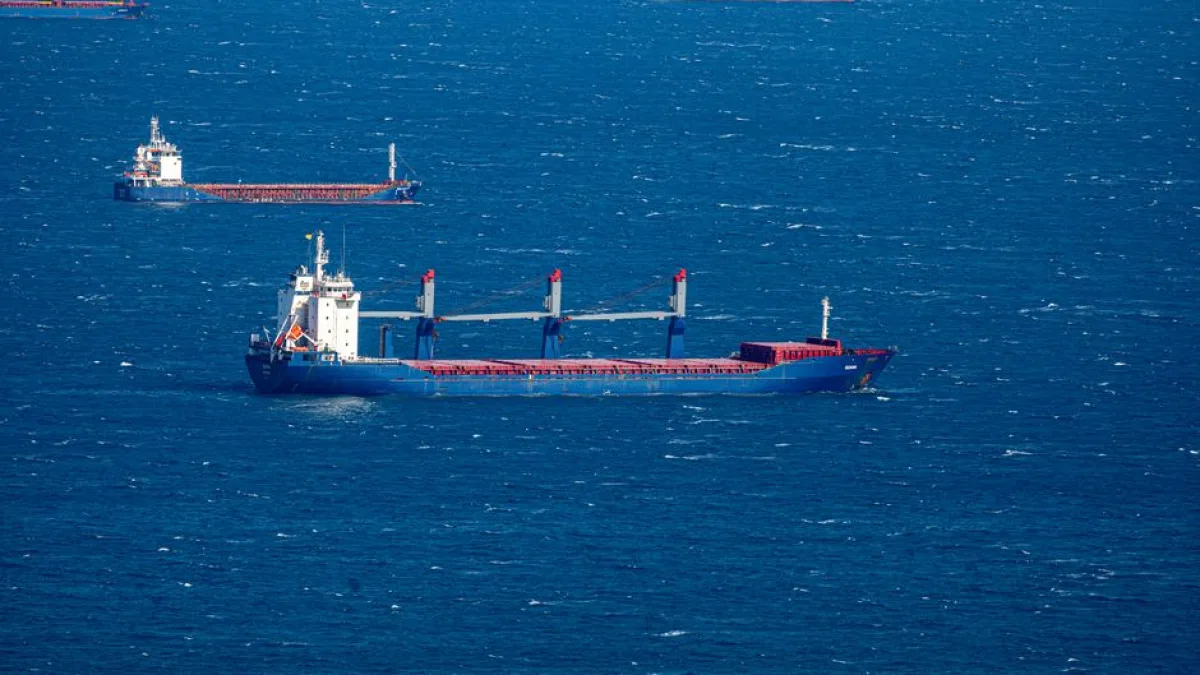
Visibility is the most requested feature by modern shippers who expect detailed updates on cargo location. Providing comprehensive tracking capabilities transforms the client experience and establishes deep trust through reliable and proactive updates regarding any potential supply chain disruptions.
- Global tracking maps: Interactive dashboard tools allow clients to monitor their ocean or air freight journey across the globe, providing granular details regarding vessel location and status.
- Proactive status alerts: Automated notification systems send instant updates via email or portal notifications, informing shippers about port congestion or weather delays before they impact operations.
- Enhanced client communication: Dedicated portals provide a single source of truth for all shipment updates, reducing the volume of status inquiries handled by your operations team.
- Predictive delay analysis: Advanced analytics software evaluates historical route performance to warn forwarders about potential bottlenecks, allowing for proactive rerouting to keep shipments moving on time.
Transparent communication is the cornerstone of building long term partnerships with your shipping clients. By offering clear insights into the shipping journey, you provide value far beyond simple freight movement. This level of service differentiates your brand in a crowded market. When your customers have access to accurate, timely tracking information, they can plan their own operations more effectively and reliably.
Investing in Data Analytics

Data is the most valuable asset for any modern freight forwarder looking to improve margins. By analyzing historical shipment patterns, your firm can identify trends in pricing, carrier reliability, and route efficiency to make more informed decisions about future logistics strategies.
- Route efficiency tracking: Detailed performance metrics allow managers to identify which shipping routes offer the best balance of speed and cost for their high volume cargo.
- Carrier performance reviews: Quantitative data helps forwarders negotiate better rates and service levels by identifying which carriers consistently meet their deadlines and safety standards during transit.
- Cost forecasting accuracy: Predictive modeling tools analyze past pricing fluctuations to help firms provide more accurate quotes to clients, protecting profit margins against sudden market volatility.
- Strategic business insights: Aggregated data visualization enables leadership teams to spot new growth opportunities or market shifts that might otherwise remain hidden in raw operational logs.
Leveraging business intelligence turns your operations team into a strategic partner for your clients. Rather than just quoting prices, you can offer data-driven advice on how to optimize their supply chain costs. This proactive approach cements your reputation as an expert in the industry. As data becomes more accessible, firms that ignore analytics will find themselves falling behind the rest of the competition.
Conclusion

Building a future-proof freight forwarding business requires a commitment to digital tools and process innovation. By focusing on cloud integration, document automation, and data-driven strategy, you position your firm to thrive despite market fluctuations. Start your journey toward operational excellence by auditing your current workflows and identifying areas for automation. Embrace these technological shifts today to ensure your company remains a leader in global logistics.