Navigating the Future of Freight Forwarding Technology
Sunday, August 16 2026

The global logistics landscape is undergoing a profound transformation as digitalization moves from a competitive advantage to a fundamental operational necessity for freight forwarders. With supply chains becoming increasingly complex and client expectations shifting toward real-time visibility, companies must embrace cloud-based solutions to remain relevant. At MakeCargo, we observe how forward-thinking logistics providers are leveraging automated workflows and advanced data analytics to eliminate manual bottlenecks. This shift not only reduces human error but also empowers teams to focus on strategic growth. As we move deeper into the current year, technology adoption will define the winners in our industry.
Automation in Modern Operations
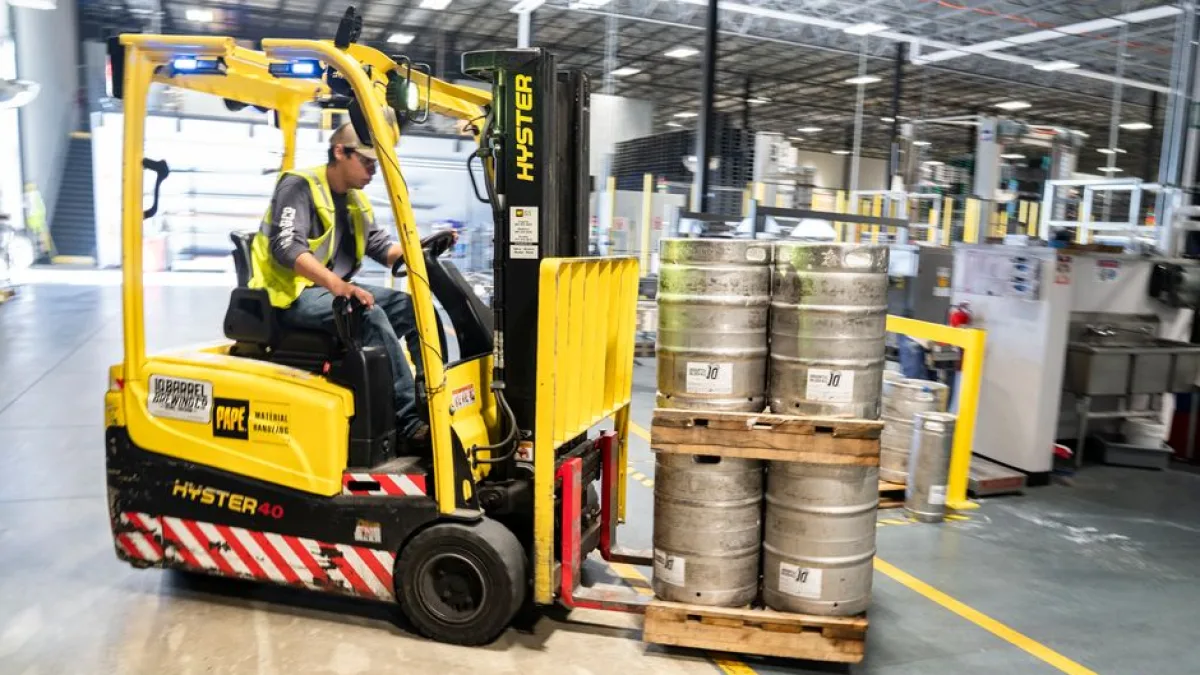
Digital transformation starts with replacing legacy spreadsheet systems with intelligent, cloud-integrated software that handles repetitive tasks automatically. By centralizing documentation and communication, forwarders can significantly enhance operational speed while ensuring that every shipment is tracked with precision from origin to final destination.
- Eliminating manual data: Automated entry systems reduce the risk of clerical errors while drastically cutting down the time your staff spends typing repetitive information into outdated internal databases.
- Optimizing workflow speed: Intelligent software routes tasks to the correct team member instantly, ensuring that critical documents move through the approval chain without any unnecessary internal delays.
- Integrating partner systems: Seamless API connections allow your platform to talk directly to carriers and warehouses, creating a unified flow of information across your entire supply chain.
- Reducing human error: Automated validation checks identify inconsistencies before they become major problems, protecting your company from costly mistakes that often arise during high-volume shipping periods.
- Scaling operational capacity: Software scalability allows your firm to handle increased shipment volumes without a proportional increase in administrative staff, keeping your overhead costs low and competitive.
Adopting these automated tools is no longer optional for firms aiming to maintain profit margins in a thinning market. By offloading administrative burdens to intelligent software, your team gains the freedom to pursue business development and customer satisfaction. This operational shift creates a stronger foundation for growth, enabling your firm to handle spikes in demand without compromising the quality of your logistics services.
Enhanced Visibility and Transparency

Clients today demand absolute clarity regarding the location and status of their cargo, often expecting updates that go beyond traditional tracking methods. Providing this level of transparency is a core requirement for retaining high-value accounts in an unpredictable global trade environment.
- Real time tracking: Advanced integration with vessel and flight data providers ensures your clients receive accurate updates on the exact position of their shipments at any moment.
- Proactive anomaly alerts: Smart systems monitor your shipments for potential delays, notifying your team immediately so you can provide clients with solutions rather than just excuses.
- Custom client portals: Branded digital interfaces give your customers self-service access to documents, tracking numbers, and financial reports, significantly reducing the volume of status inquiries you receive.
- Predictive arrival modeling: Algorithms analyze historical weather and port data to provide highly accurate arrival windows, helping your clients manage their inventory levels with much greater confidence.
- Document transparency features: Clients gain instant access to bills of lading and customs declarations, ensuring full visibility into the regulatory status of their international trade activities.
Visibility serves as the cornerstone of trust between the freight forwarder and the shipper in today's high stakes economy. When you provide clear, actionable information, you position your firm as an indispensable partner rather than a mere service provider. Moving toward total transparency helps secure long-term contracts and builds a reputation for reliability that will serve your business for many years to come.
Leveraging Advanced Data Analytics

Data is the most valuable asset in the logistics sector, yet many forwarders leave this information trapped in silos. Turning raw shipment data into actionable insights allows leaders to identify hidden cost centers and optimize routes based on real world performance metrics.
- Identifying cost trends: Analytics tools highlight specific lanes or carriers that are draining your margins, allowing for better negotiations and more informed decision making for future shipments.
- Performance benchmarking analysis: Comparing your current operational performance against industry standards reveals where your team is excelling and which areas require immediate process improvement or training investments.
- Carrier performance review: Track the reliability and pricing consistency of your carrier network over time to ensure that you are always working with the most profitable partners.
- Revenue forecasting models: Historical data patterns help your finance team predict future cash flow and shipment volumes, enabling better resource allocation during both peak and off-peak seasons.
- Customer profitability scoring: Evaluate the resources consumed by different client accounts to determine which partnerships provide the highest return and where you might need to adjust pricing.
Using data to drive decisions transforms your business from a reactive organization into a proactive, strategic powerhouse. By analyzing the information already at your disposal, you can discover opportunities for optimization that were previously invisible. Investing in analytical software today ensures that your firm remains agile and capable of making data-backed moves that protect your bottom line while delighting your shipping clients.
Security and Cloud Compliance

As logistics operations move to the cloud, protecting sensitive client information and shipment data has become a critical priority for IT and operations management. Ensuring your platform maintains high security standards is essential for long-term operational continuity and client safety.
- Robust data encryption: Secure protocols protect every piece of documentation and customer data, ensuring that your company remains resilient against unauthorized access and potential digital security threats.
- Automated cloud backups: Regular and automated data storage cycles protect your business from potential file loss, ensuring you can restore your operations quickly after any unforeseen incident.
- Regulatory compliance monitoring: Cloud platforms built for logistics keep your documentation in line with international trade laws, automatically updating to meet new security or data storage regulations.
- Multi factor access controls: Restricting access to internal tools based on employee roles minimizes the risk of internal errors and prevents unauthorized parties from touching sensitive account data.
- Disaster recovery readiness: Cloud based infrastructure allows your team to access critical logistics systems from any location, ensuring that your services remain active even during office disruptions.
Security is not just a technical requirement but a core component of your professional brand identity in the logistics industry. When clients know their data is safe within your system, they are far more likely to commit to long term partnerships. Prioritizing modern security practices protects your firm from risk and positions you as a sophisticated leader capable of handling high-value global freight.
Conclusion

The integration of advanced technology into your daily operations is the single most important factor for success in the modern logistics environment. By embracing automation, visibility tools, data analytics, and robust security, your firm will be well positioned to overcome future industry challenges. Start optimizing your workflow with MakeCargo today to ensure your team remains efficient, profitable, and ready for the next era of global freight.