Navigating the Future of Freight Forwarding Technology
Saturday, August 22 2026
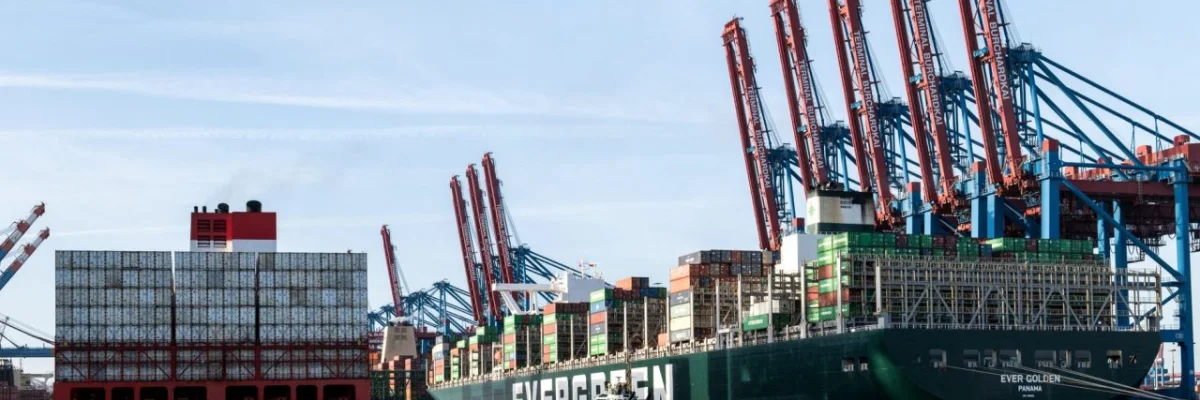
The global logistics landscape is undergoing a profound transformation as digitalization moves from a competitive advantage to a fundamental operational requirement. Freight forwarders are increasingly facing pressure to enhance transparency, speed, and reliability in a volatile market environment. By leveraging cloud-based platforms and data-driven insights, modern logistics providers can bridge the gap between complex supply chain demands and client expectations. This evolution requires a shift toward automation, seamless integration, and proactive risk management to maintain profitability. As we look ahead, forwarders who embrace these technological advancements will be best positioned to scale their services and thrive within the interconnected international trade ecosystem.
Digital Transformation Strategies

Modern logistics providers must pivot toward digitized operations to handle growing data complexities. By integrating cloud technology, forwarders can centralize documentation and communication, ensuring that every team member has real-time access to accurate project information regardless of their physical location or time zone.
- Cloud Migration Benefits: Moving infrastructure to the cloud allows teams to collaborate seamlessly while reducing the overhead costs associated with maintaining physical servers and outdated on-premise hardware systems.
- Data Integration Importance: Connecting disparate logistics systems creates a single source of truth that helps minimize manual entry errors and improves the overall accuracy of freight documentation.
- Real-time Visibility Implementation: Tracking shipments through automated platforms provides granular visibility that satisfies client demands for immediate updates regarding their cargo status and current geographic location.
- Process Automation Adoption: Utilizing software to handle repetitive administrative tasks releases valuable human resources, allowing staff members to focus on high-value client relationships and strategic business growth.
- Security Protocol Upgrades: Prioritizing robust cybersecurity measures within cloud platforms ensures that sensitive client data remains protected from unauthorized access in an increasingly dangerous digital threat landscape.
Adopting these strategies is not merely about changing software providers but fundamentally rethinking how your organization functions day to day. Forwarders who prioritize these digital upgrades will find themselves significantly more agile when responding to market shifts. By removing the friction inherent in traditional paper-based workflows, your team will achieve higher efficiency levels and provide superior service quality to your growing international client base.
Optimizing Supply Chain Visibility
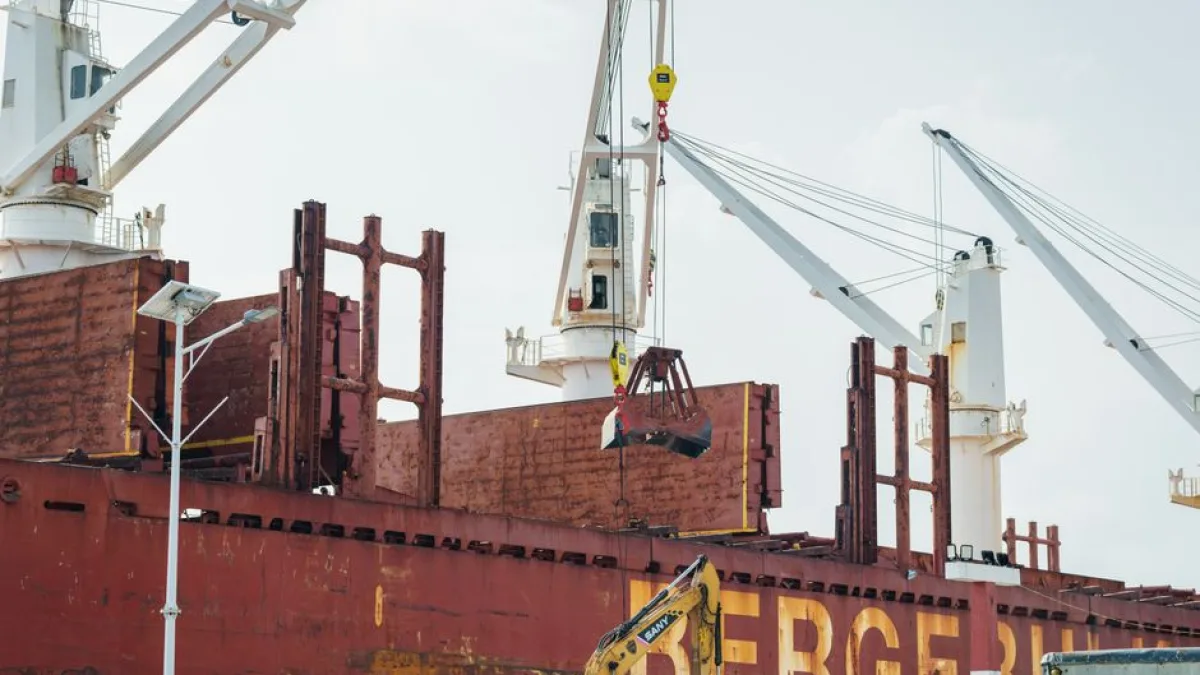
Transparency serves as the primary currency in modern freight management, where clients demand constant updates on their inventory. Achieving end-to-end visibility requires sophisticated software that tracks every handoff from the factory floor to the final point of delivery for importers.
- Automated Tracking Tools: Implementing tracking modules provides instant updates for stakeholders by pulling data from carrier APIs directly into your central dashboard to maintain full shipment oversight.
- Exception Management Workflow: Proactive alerts notify team members immediately when a shipment delay occurs, enabling them to troubleshoot issues before they escalate into costly problems for clients.
- Client Portal Development: Providing customers with secure access to their own data portal reduces the volume of status inquiries handled by your customer service representatives daily.
- Document Digitization Impact: Converting physical manifests into searchable digital files accelerates the customs clearance process and reduces delays caused by lost or incomplete paperwork at borders.
- Predictive Analytics Usage: Utilizing historical data helps forwarders forecast potential bottlenecks during peak seasons, allowing them to book capacity early and avoid sudden price spikes for clients.
Transparency is no longer an optional feature but a core requirement for retaining modern customers. By providing clients with a clear and comprehensive view of their supply chain status, you build trust and long-term loyalty. This approach allows you to differentiate your firm from competitors who still rely on manual status updates, ultimately leading to higher retention rates and more consistent revenue.
Scaling Operational Efficiency

Achieving scale in the freight industry requires refined processes that eliminate bottlenecks while maintaining high service standards. Software tools help standardize workflows across multiple offices, ensuring that every shipment is handled with consistent precision regardless of the specific route or destination.
- Standardized Operational Workflows: Defining uniform steps for booking and billing ensures that every employee follows the same high standards to minimize errors and maximize output performance.
- Centralized Billing Systems: Consolidating invoicing through an automated platform reduces accounting errors and significantly shortens the cash collection cycle for your growing logistics business operation.
- Vendor Management Integration: Building strong connections with carriers through your software platform creates a smoother booking process and helps you negotiate better rates for clients.
- Automated Rate Management: Dynamic pricing tools allow you to update rates instantly, ensuring that your quotes are always competitive and aligned with current market conditions globally.
- Team Collaboration Platforms: Internal chat and task tracking features reduce internal email clutter, keeping everyone aligned on project requirements and specific client-driven deadlines throughout the process.
Efficiency gains directly translate to increased profit margins by reducing the amount of time spent on non-billable administrative labor. As you scale, having a robust software foundation allows you to manage more shipments without proportional increases in staffing levels. This operational leverage is essential for forwarders aiming to expand into new markets or handle larger volumes during volatile periods of trade.
Future Trends in Logistics
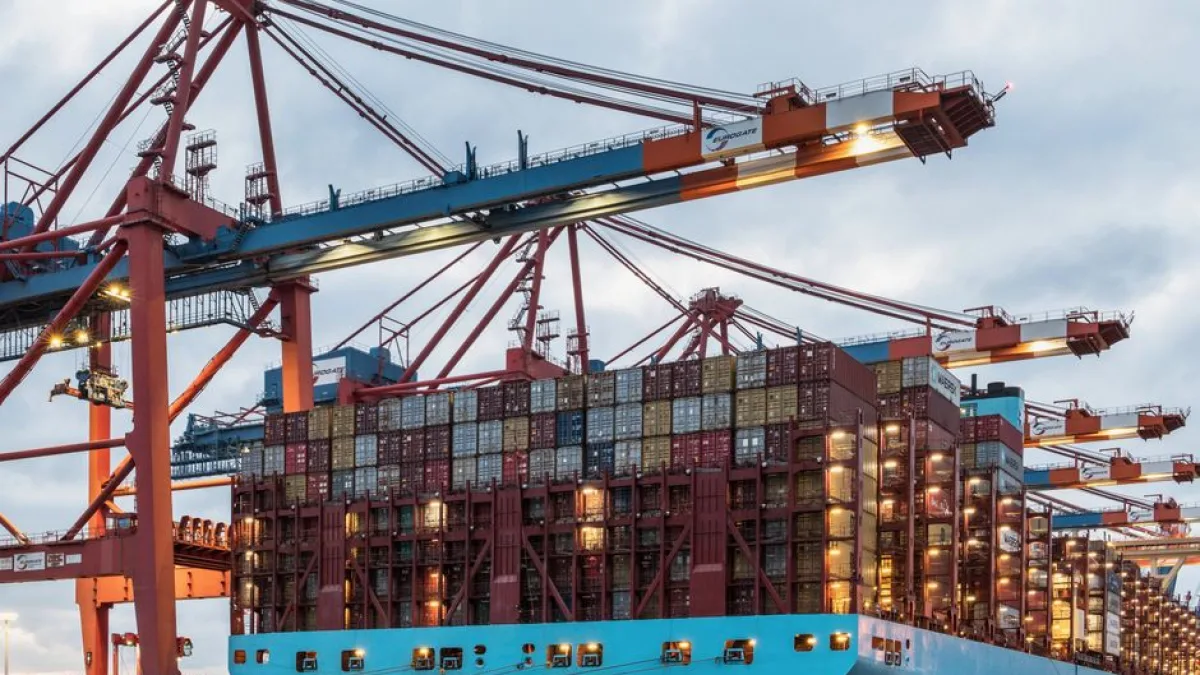
The future of the freight forwarding industry will be defined by the intersection of artificial intelligence and logistics expertise. Companies that capitalize on these trends will set the standard for service excellence, while those that lag behind may struggle to remain competitive in a rapidly evolving, technology-driven global marketplace.
- AI-Driven Cargo Routing: Artificial intelligence can analyze global shipping routes to determine the most cost-effective and fastest options based on real-time port congestion and weather patterns.
- Blockchain Documentation Security: Implementing blockchain for trade documents ensures that all stakeholders have access to immutable records, which significantly reduces the risk of fraud in transit.
- Sustainable Logistics Focus: Many software platforms now offer carbon tracking features, helping forwarders assist clients in meeting their environmental goals through more conscious shipping route selections.
- Machine Learning Analytics: Training software to identify patterns in your historical shipping data helps uncover hidden inefficiencies that can be resolved to improve future performance.
- IoT Sensor Connectivity: Integrating IoT data from containers provides live updates on temperature and humidity, which is vital for forwarders specializing in perishable or sensitive cargo.
Staying ahead of these emerging technologies is critical for forwarders who want to lead the market rather than follow it. By experimenting with AI and blockchain today, you position your business to provide cutting-edge solutions that your clients will depend on tomorrow. Focus on building a versatile digital foundation that allows you to integrate these new capabilities as they become commercially viable and available.
Conclusion

Modernizing your freight forwarding business is a journey that pays dividends through improved client satisfaction and operational clarity. By adopting cloud-based tools, you gain the agility needed to succeed in today's fast-paced shipping environment. Start by identifying one core process to automate this month and build from there. Contact our team to learn how our software platform can help you achieve these essential goals.