Navigating the Future: Key Trends in Modern Freight Forwarding Technology
Wednesday, August 26 2026
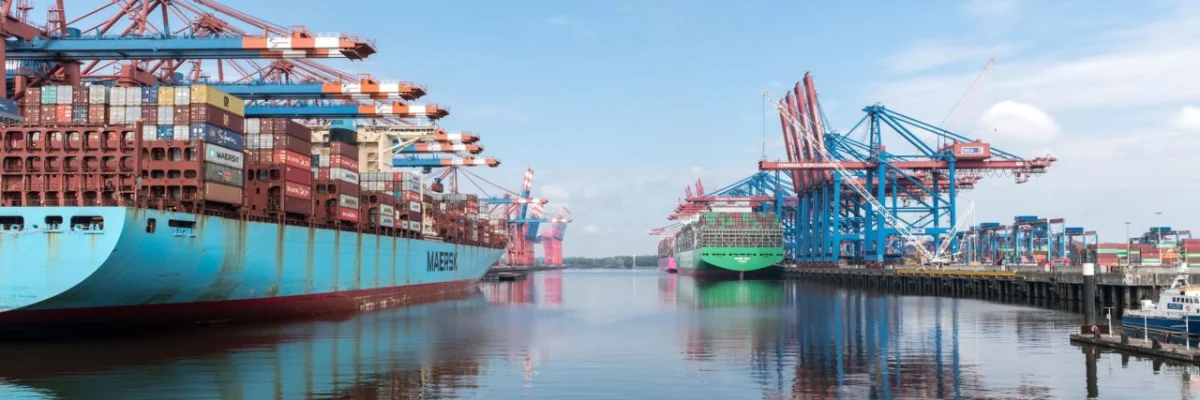
The global logistics landscape is undergoing a profound transformation driven by rapid technological integration and shifting trade dynamics. As freight forwarders face increasing pressure to provide real-time visibility, competitive pricing, and seamless documentation, the adoption of cloud-based platforms has become a strategic necessity rather than a luxury. Adapting to these changes requires a clear understanding of emerging digital tools and their impact on operational efficiency. By leveraging robust software solutions, logistics professionals can overcome traditional bottlenecks, enhance client relationships, and ensure long-term sustainability in an industry that demands precision, reliability, and agility at every step of the complex supply chain process.
The Rise of Automated Documentation

Paperless documentation represents a fundamental shift in how forwarders manage compliance and administrative burdens. Moving toward automated data entry and electronic filing helps firms reduce the high costs associated with manual errors and physical paperwork processing in international shipping.
- Reduced human error: Automated systems minimize the risk of typos and data inconsistencies that often lead to customs delays and financial penalties during the complex international clearing process.
- Faster document turnaround: Electronic processing speeds up the validation and submission of critical manifests and invoices, ensuring that goods move through ports without unnecessary administrative bottlenecks or waits.
- Enhanced regulatory compliance: Modern software keeps pace with changing international trade laws, ensuring that all documentation meets current legal standards automatically without requiring constant manual oversight from staff.
- Secure data storage: Digital platforms provide a centralized repository for sensitive files, protecting client information while ensuring that authorized team members can access necessary records at any time.
- Improved partner integration: Seamless connectivity with customs authorities and carrier networks allows for the instantaneous exchange of essential documents, significantly lowering the time spent on cross-border logistics.
By transitioning to a fully digital document environment, forwarders save countless hours formerly lost to repetitive administrative tasks. This efficiency allows your team to focus on high-value activities like relationship management and strategic logistics planning. When technology handles the heavy lifting of compliance and data entry, your business becomes significantly more agile, enabling you to scale operations effectively and meet the evolving needs of your clients.
Real-time Supply Chain Visibility
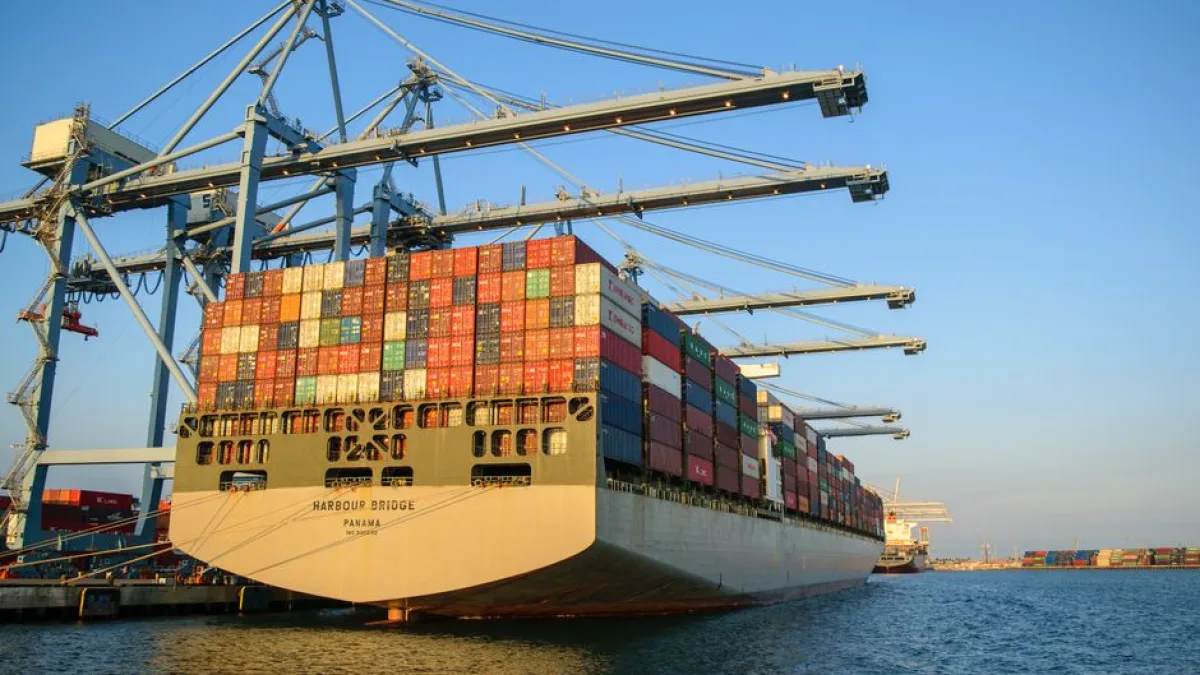
Visibility is the new currency of logistics because clients now expect granular tracking updates on every shipment. Real-time data streams empower forwarders to proactively manage expectations and solve potential disruptions before they result in significant delays for the final recipient.
- Live tracking updates: Providing clients with continuous, accurate status alerts for their shipments increases trust and reduces the volume of manual status inquiry emails your team receives.
- Predictive delay management: Analytical tools identify potential port congestion or weather disruptions early, allowing your team to re-route cargo and avoid expensive demurrage fees for customers.
- Unified control tower: A single interface for tracking diverse modes of transport simplifies management and provides a holistic view of your entire cargo portfolio across regions.
- Actionable customer insights: Data visualization tools help you present clear performance reports to clients, highlighting your efficiency and demonstrating the value your service brings daily.
- Enhanced communication flow: Automated notifications keep all stakeholders aligned and informed, preventing miscommunication that often occurs when information is siloed between different departments or external logistics partners.
Achieving total supply chain transparency requires a commitment to digital infrastructure that connects every node in your network. When every stakeholder operates with the same set of real-time facts, coordination improves and error rates drop significantly. This proactive approach to logistics management transforms your brand from a service provider into a true strategic partner, ensuring you remain a preferred choice for global shippers.
Optimizing Freight Cost Management

Controlling costs while maintaining high service levels is a persistent challenge for all forwarders. Today, cloud-based software offers sophisticated tools for rate management and financial reporting to help firms maintain healthy profit margins in a highly competitive market environment.
- Automated rate quoting: Systems allow you to generate precise quotes for customers in seconds, ensuring that pricing is consistent, profitable, and based on the most current data.
- Dynamic margin control: Software features help track carrier costs against client rates, allowing your team to adjust pricing models in real-time based on fluctuating fuel prices.
- Expense tracking precision: Automated invoicing and expenditure monitoring prevent profit leakage and ensure that every service rendered is captured accurately in your final client billings.
- Carrier performance analysis: Comparing carrier costs and reliability data enables you to select the best transport partners, optimizing your total cost of service and quality.
- Centralized financial reporting: Detailed financial dashboards provide management with a bird-eye view of profitability, enabling data-driven decisions that sustain long-term growth and operational financial health.
Precision in cost management allows forwarders to navigate volatile market cycles with confidence. By leveraging modern software to monitor expenses and optimize carrier relationships, your firm can achieve consistent profitability regardless of economic headwinds. This financial discipline creates a solid foundation for growth, allowing you to invest back into your technology stack and expand your service capabilities while delivering superior value to clients.
Cloud Infrastructure for Global Collaboration

Collaborating across different time zones and remote offices is now the standard for modern logistics companies. Cloud software breaks down physical walls, allowing team members to work as a unified unit regardless of their physical location or the global scale of operations.
- Remote team access: Secure cloud portals enable your employees to access critical shipment data from anywhere, ensuring that business continues moving even during unpredictable disruptions or travel.
- Synchronized global workflows:Standardized operational processes across all your branch offices ensure consistent service quality and professional standards that clients expect when working with your logistics network worldwide.
- Unified user interface: Providing the same digital tools to all staff members eliminates confusion and reduces the training time required when internal team members move.
- High data security: Cloud providers offer advanced encryption and backup services that exceed the security capabilities of local on-premise servers, keeping your company data safe always.
- Collaborative vendor portals: Shared access platforms allow your international partners and carriers to interact with your system directly, streamlining coordination and eliminating repetitive manual email communication chains.
The ability to collaborate seamlessly across a global network is a defining characteristic of top-tier freight forwarders. Investing in a cloud-based platform ensures that your team remains connected, productive, and responsive, no matter how complex the shipment requirements become. By removing technical barriers to collaboration, you empower your staff to solve problems faster, improve client satisfaction, and maintain a competitive edge in global logistics.
Conclusion

Adapting to the digital transformation is vital for the continued success of freight forwarding professionals in an increasingly connected global marketplace. By embracing automation, visibility, and cloud collaboration, your firm can turn logistical complexity into a distinct operational advantage. Start exploring how modern software solutions can streamline your workflows and elevate your service standards today. Secure your future and outperform the competition with smarter technology.