Navigating the Future of Freight Forwarding Technology
Friday, August 28 2026
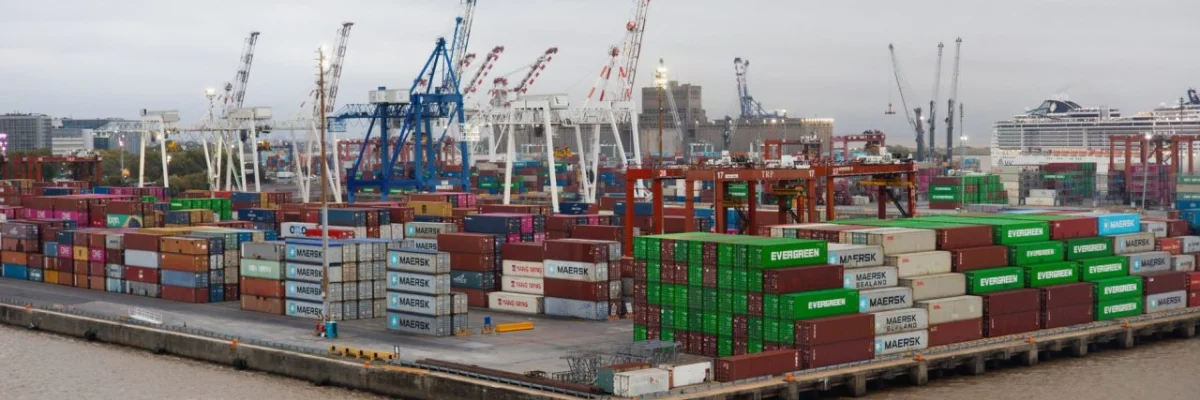
The global logistics landscape is undergoing a profound transformation as digital integration becomes the standard for efficient supply chain management. Freight forwarders are increasingly moving away from manual data entry and disjointed communication channels, opting instead for cloud-based platforms that provide real-time visibility and automated workflows. This shift is not merely a trend but a strategic necessity to maintain competitiveness in an volatile market. As complexity grows, the demand for agility, transparency, and data-driven decision-making remains the cornerstone of operational success for forwarders worldwide. Embracing these advanced technological tools is the primary driver for sustainable growth and long-term customer retention.
Automation in Modern Logistics

Automated processes are fundamentally changing how forwarders handle repetitive tasks like documentation and tracking. By reducing the reliance on manual labor, businesses can minimize human errors while significantly increasing the speed of document processing and billing cycles for complex shipments.
- Reduced operational costs: Implementing automation tools helps freight forwarders eliminate wasteful manual processes, allowing the team to focus on high-value client interactions rather than tedious administrative data entry tasks daily.
- Faster document cycles: Digital platforms enable the instantaneous generation of bills of lading and invoices, ensuring that your financial operations remain fluid and highly accurate throughout the year.
- Minimized human error: Automated data validation protocols prevent costly mistakes during the customs declaration process, saving your firm from significant penalties and avoidable delays at the border.
- Scalable business workflows: Modern software allows you to handle an increasing volume of shipping orders without the constant need to expand your headcount or office physical space.
Adopting these automated solutions provides a clear path toward operational excellence in a crowded marketplace. By removing the burden of repetitive tasks, your staff can focus on the strategic planning required to navigate complex global shipping routes. This transition fosters a culture of efficiency where growth is supported by robust systems rather than increased manual labor, ensuring your firm stays ahead of the industry competition.
The Power of Real-time Visibility

Real-time visibility tools provide a transparent window into the status of shipments across the globe. By leveraging GPS and integrated carrier data, forwarders can keep clients informed throughout the entire transit process, fostering trust and operational reliability every day.
- Enhanced client communication: Providing accurate, live status updates directly to your customers improves transparency, allowing them to manage their own inventories with greater confidence and much less stress.
- Proactive issue resolution: Early alerts regarding weather delays or port congestion empower your logistics team to reroute shipments before problems escalate into major customer service crises later.
- Data-driven inventory planning: Clients can use the precise location data provided by your platform to optimize their warehousing operations and reduce the amount of safety stock.
- Competitive market advantage: Offering superior tracking features distinguishes your freight forwarding services from traditional competitors who still rely on fragmented and delayed manual status update reporting.
Transparency is no longer an optional service but a baseline requirement for modern freight customers. When you provide accurate, real-time data, you empower clients to make informed decisions that ripple through their entire supply chain. This high level of service creates lasting partnerships, turning one-time customers into loyal advocates for your brand, ultimately driving consistent revenue growth for your freight forwarding agency.
Strengthening Global Data Security

As freight forwarding becomes increasingly digital, protecting sensitive shipment data against cyber threats is paramount for the integrity of your business. Implementing robust cloud security measures ensures that client information and trade secrets remain protected from unauthorized access at all times.
- Encrypted communication channels: Utilizing advanced encryption protocols protects every interaction between your forwarders and international partners, ensuring that private business data remains safe from external malicious attacks.
- Controlled platform access: Implementing strict user permissions allows you to manage exactly who can view or edit sensitive shipping documents within your internal logistics network environment.
- Regular system audits: Conducting routine security reviews helps identify potential vulnerabilities before they can be exploited, maintaining a secure digital environment for your team and international clients.
- Cloud backup reliability: Frequent automated backups prevent the permanent loss of vital shipping documents due to hardware failure or other unexpected technical issues within the office.
Security is the foundation of trust in the digital freight forwarding era. By prioritizing the protection of digital assets, your agency demonstrates a high level of professionalism that resonates with international clients. Investing in secure software not only mitigates significant legal risks but also serves as a critical selling point that helps your firm win contracts with large, security-conscious enterprise shipping corporations.
Integrating Artificial Intelligence Tools
Artificial intelligence is beginning to play a critical role in predicting shipping trends and optimizing complex logistics routes. By analyzing historical performance data, these intelligent systems help forwarders predict capacity shortages and plan their shipping operations with significantly higher levels of precision.
- Predictive shipping trends: Machine learning algorithms analyze years of logistical data to forecast seasonal demand spikes, allowing your company to secure space on vessels in advance.
- Optimized routing decisions: AI software evaluates multiple transit options to identify the most cost-effective and environmentally friendly routes, enhancing your overall service value proposition for customers.
- Smart document classification: Intelligent tools automatically read and categorize incoming shipping documents, drastically reducing the time required to sort through high volumes of digital trade paperwork.
- Resource allocation planning: AI helps managers identify which staff members are best suited for specific shipments based on their history and expertise with particular regional markets.
AI represents the next frontier in logistics innovation for forwarders looking to scale their operations. By harnessing the power of data, you can turn raw shipping statistics into actionable insights that optimize every single leg of the supply chain. This forward-thinking approach ensures that your freight forwarding business remains resilient and ready to tackle the unpredictable challenges of the future global trade market.
Conclusion

The freight forwarding industry is evolving rapidly, and the adoption of cloud-based technology is essential for success. By integrating automation, real-time visibility, security, and AI, your firm can achieve unprecedented levels of efficiency and client satisfaction. Stay ahead of the curve by upgrading your digital infrastructure today, ensuring your operations remain competitive, secure, and ready to meet the demands of tomorrow's global logistics landscape.