Navigating the Future of Freight Forwarding Technology
Friday, August 28 2026

The global logistics landscape is undergoing a profound transformation as digitalization moves from a competitive advantage to a fundamental operational requirement. Freight forwarders are increasingly facing pressure to enhance transparency, speed, and accuracy in an environment defined by volatility and complex supply chain demands. By leveraging cloud-based platforms, professionals can now synchronize disparate data streams, reduce manual entry errors, and provide real-time updates to global partners. This shift not only improves client satisfaction but also establishes a scalable foundation for future growth in an industry that refuses to stand still during these unpredictable times.
Embracing Digital Transformation

Digital transformation involves integrating advanced software solutions into every aspect of freight operations to eliminate legacy processes. This change creates a more responsive environment where data flows freely between stakeholders, allowing for informed decision making based on live metrics rather than guesswork.
- Seamless data integration: Modern cloud platforms connect disparate systems to ensure that critical shipment data is accurate, accessible, and updated in real time for all authorized supply chain participants.
- Reduced manual labor: Automating repetitive tasks like data entry and document verification allows staff to focus on high-value client interactions rather than tedious and error-prone paperwork processing.
- Enhanced operational visibility: Real-time tracking capabilities provide logistics teams with the granular information needed to proactively manage delays and keep all clients informed throughout the entire journey.
- Scalable system architecture: Cloud-based infrastructure supports business growth by allowing companies to add new users and features quickly without needing significant hardware upgrades or complex physical installations.
Adopting digital tools represents a strategic commitment to operational excellence that allows forwarders to navigate market turbulence with confidence. As teams move away from fragmented spreadsheets, they gain a holistic view of their entire business. This clarity enables managers to identify hidden inefficiencies, optimize routing choices, and ultimately drive higher profitability margins while delivering the superior level of service that modern global clients expect today.
Optimizing Global Supply Chains
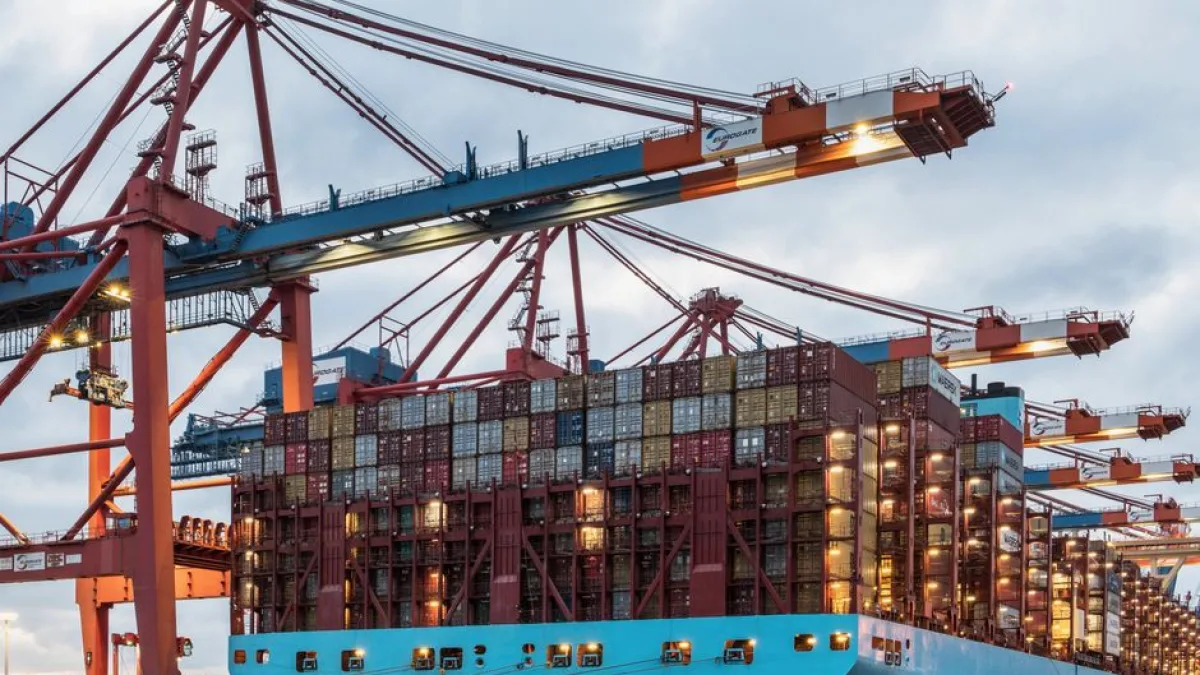
Optimization focuses on refining the movement of goods across borders by leveraging technology to solve routing challenges. Smart software helps planners identify the most efficient paths, reducing transit times and minimizing unnecessary expenses caused by delays or poor carrier coordination.
- Dynamic route planning: Advanced algorithms analyze global transit paths to select the most efficient routes, effectively reducing total shipping times while avoiding major known bottlenecks at terminals.
- Cost reduction strategies: Automated freight auditing and rate management tools help teams identify potential savings and prevent overcharges on complex shipments involving multiple carriers and global routes.
- Improved carrier management: Centralized platforms facilitate better communication and performance monitoring for carriers, ensuring that accountability remains high across every leg of the global transport chain.
- Risk mitigation tools: Proactive monitoring of weather and port conditions allows forwarders to adjust logistics plans quickly, thereby reducing the financial impact of unforeseen external shipping disruptions.
Streamlining global operations requires a constant focus on data precision and rapid communication between international partners. By utilizing cloud technology to coordinate these complex movements, forwarders create a robust framework that withstands external shocks. This level of synchronization builds lasting trust with shippers who rely on consistent delivery windows, positioning the forwarder as a reliable partner capable of navigating any logistical challenge.
Enhancing Customer Experience

The modern customer expects instant access to information regarding their cargo status, shifting the focus toward self-service platforms. Providing clients with a professional portal enhances brand reputation and reduces the administrative burden of handling constant status update requests over email.
- Client portal access: Dedicated web portals allow shippers to check shipment status, download documents, and view invoices without needing to contact a freight forwarder staff member.
- Automated notifications: Triggered updates provide immediate alerts to stakeholders when specific milestones are reached, ensuring transparency without requiring manual intervention from the operations team every time.
- Transparent document sharing: Centralized digital document repositories provide secure and easy access to bills of lading, customs paperwork, and invoices for both the forwarder and their clients.
- Streamlined communication logs: Keeping all correspondence within the software platform prevents vital details from getting lost in fragmented email chains, ensuring complete clarity for all involved.
Exceptional customer experiences are built on the foundation of transparency and accessibility that digital platforms provide. When clients can self-serve and view updates on their terms, they develop deeper loyalty and trust in their forwarder. By removing traditional communication friction, businesses can dedicate more time to nurturing relationships and solving complex logistics problems that require human expertise and strategic creative thinking.
Building Operational Resilience

Operational resilience is the ability of a freight forwarding company to withstand sudden disruptions while maintaining service quality. Utilizing cloud software ensures that critical data remains safe and accessible from any location, even during local outages or significant personnel shifts.
- Remote work capability: Cloud platforms enable teams to manage complex freight operations from anywhere in the world, ensuring that business continuity is maintained regardless of physical location.
- Data security protocols: Encrypted cloud storage protects sensitive customer information and financial records from unauthorized access, meeting international security standards for the modern logistics and shipping industry.
- Disaster recovery plans: Automated backups and redundant cloud systems ensure that critical operational data is never lost, allowing for rapid restoration of services following any system failure.
- Streamlined team collaboration: Internal messaging and task assignment features within the software ensure that everyone remains aligned on operational goals and priorities throughout the busiest shipping seasons.
Resilience in logistics is not just about survival, but about thriving amidst continuous change and uncertainty. By centralizing operations in a cloud environment, forwarders eliminate the vulnerabilities associated with office-bound legacy systems. This agility allows teams to pivot their strategy rapidly, ensuring that service levels remain high even during crises. Investing in these robust tools is the smartest way to ensure long-term stability.
Conclusion

The future of freight forwarding belongs to those who embrace cloud-based technology as a core component of their business strategy. By focusing on digitalization, operational efficiency, and customer transparency, companies can secure a competitive edge in an increasingly crowded marketplace. Start optimizing your own logistics workflows today with the right software tools to ensure your business remains agile, scalable, and prepared for future success.