Navigating the Future of Freight Forwarding Technology
Saturday, August 29 2026
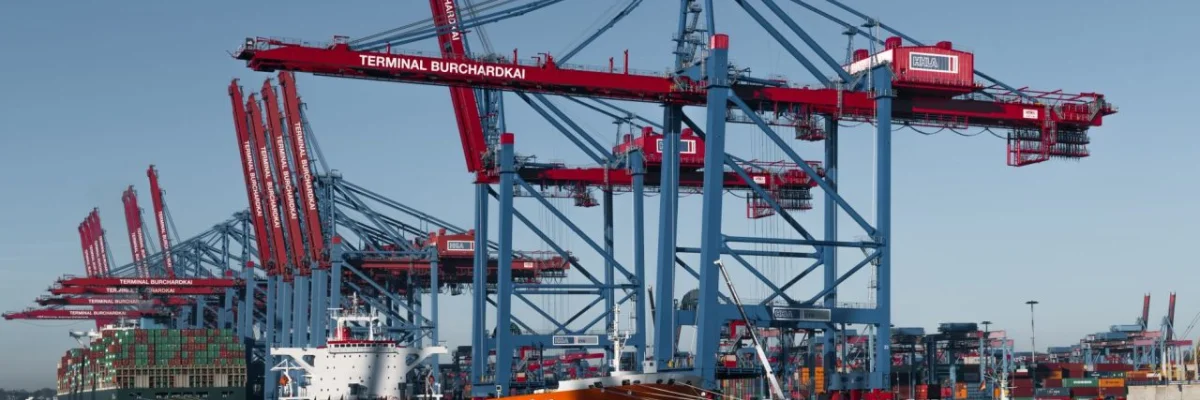
The global logistics landscape is undergoing a rapid digital transformation that challenges freight forwarders to adapt or risk falling behind. As supply chains become increasingly complex and market demands for transparency skyrocket, forwarders are turning to cloud-based solutions to regain control over their operations. Embracing automation is no longer a luxury but a fundamental requirement for companies aiming to thrive in this competitive environment. By integrating modern software platforms, logistics professionals can enhance their internal workflows, improve data accuracy, and provide the real-time visibility that today's modern shippers expect from their partners in an increasingly interconnected global economy.
Digital Transformation Strategies

Digital transformation represents a fundamental shift in how freight forwarding firms manage their daily operations. By moving away from legacy systems and fragmented spreadsheets, businesses can centralize their data, enabling seamless communication across departments and international borders for maximum operational efficiency.
- Automated Workflow Management: Modern platforms reduce manual entry by automating redundant tasks, allowing your logistics team to focus on high-value client relationships rather than correcting data errors throughout the day.
- Centralized Cloud Infrastructure: Storing documentation in a unified cloud environment ensures that every stakeholder has immediate access to critical shipment information, regardless of their physical location or time zone.
- Enhanced Data Accuracy: Advanced software tools minimize human errors by validating information at the point of entry, ensuring that every manifest and customs declaration meets strict international compliance standards.
- Scalable Software Architecture: Choosing a flexible digital platform allows your forwarding company to grow without technical bottlenecks, adapting quickly to changing shipment volumes and expanding global trade service requirements.
Adopting these strategies helps freight forwarders build a robust foundation for long term success in an unpredictable market. By prioritizing digital infrastructure, you prepare your business for unforeseen challenges and create a scalable model that supports future growth. This technological shift is essential for firms that want to remain relevant and competitive while providing superior service to their global client base today.
Optimizing Supply Chain Visibility
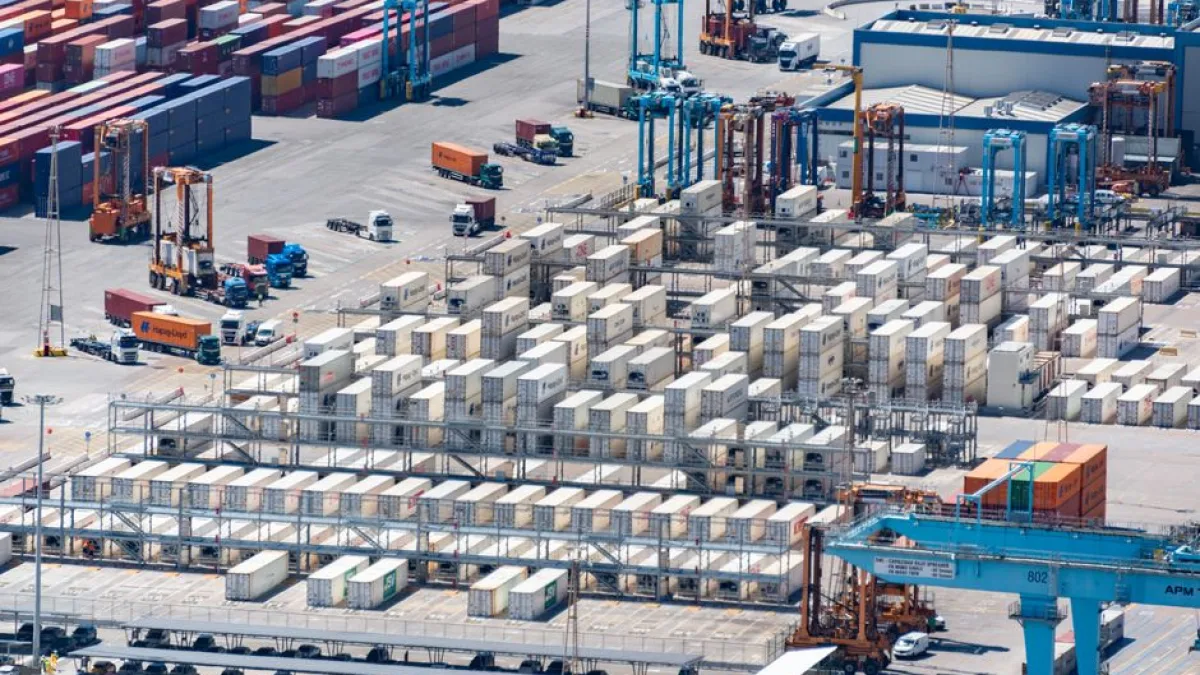
Visibility is the cornerstone of modern logistics, allowing forwarders to monitor shipments in real time. Shippers now demand granular updates regarding the status of their cargo, forcing freight forwarders to leverage predictive analytics to meet these evolving industry standards effectively.
- Real Time Tracking: Integrated GPS and carrier API connections provide instant updates on container locations, helping teams proactively manage delays before they impact the final delivery schedule for clients.
- Predictive Analytics Tools: Utilizing historical shipment data allows forwarders to anticipate potential bottlenecks in port operations, enabling them to suggest alternative routing options to minimize client downtime effectively.
- Proactive Exception Management: Early warning systems alert managers to potential disruptions, allowing for rapid problem solving that keeps shipments moving and maintains trust with important supply chain partners.
- Transparent Reporting Dashboards: Custom dashboards offer clients a comprehensive view of their shipment history and current status, reducing the time spent answering routine status update inquiries via email.
Transparency strengthens the bond between freight forwarders and their clients, fostering long term partnerships built on trust and reliability. When you provide clear, accurate, and timely information, you position your firm as an essential advisor rather than just a service provider. Improving your visibility protocols is a direct investment in client retention and overall business growth within the complex global logistics sector.
Automation for Operational Efficiency
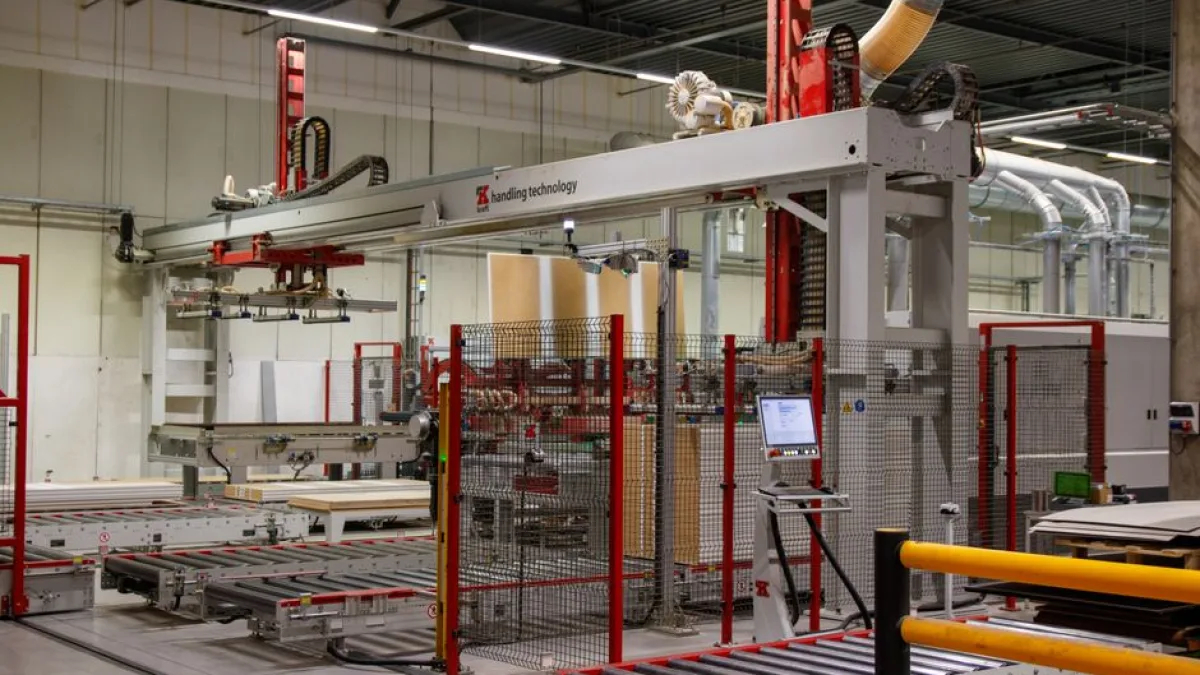
Manual processes are the primary cause of delays and hidden costs in freight forwarding. By implementing automated workflows, firms can significantly reduce administrative burdens, allowing their staff to dedicate more time to strategic decision-making and customer service improvement initiatives.
- Automated Rate Management: Dynamic pricing tools allow your team to generate quotes instantly, ensuring that your company offers competitive rates while maintaining healthy profit margins on every shipment.
- Electronic Document Filing: Seamlessly integrating with customs portals simplifies the filing process, significantly reducing the turnaround time for essential documentation and avoiding costly port storage fees for clients.
- Smart Invoice Generation: Automated billing systems ensure that invoices are accurate and sent on time, improving your cash flow and reducing the administrative stress on your accounting department.
- Workflow Task Scheduling: Intelligent systems trigger task notifications for your team, ensuring that no document is missed and every milestone in the shipment journey is completed on time.
Automation empowers your employees to handle larger shipment volumes without requiring a proportional increase in administrative overhead costs. This efficiency gain translates into faster response times for clients and higher overall productivity levels across the entire organization. By removing repetitive manual tasks, you create a more engaging work environment that encourages your team to excel and drives your company toward greater profitability.
Cybersecurity in Global Logistics

As the logistics industry becomes more digital, the risk of data breaches increases significantly. Protecting sensitive client information and shipment data is a critical responsibility for all freight forwarders, requiring modern cybersecurity measures to safeguard the integrity of their digital platforms.
- Encrypted Data Transmission: Using secure protocols ensures that all communication between your firm and its international partners is protected from unauthorized access during the transit of sensitive data.
- Multi Factor Authentication: Implementing robust login procedures prevents unauthorized individuals from accessing your logistics software, keeping your internal client lists and rate structures safe from cyber threats.
- Regular Security Audits: Conducting frequent assessments of your software environment identifies potential vulnerabilities early, allowing you to patch security gaps before they are exploited by malicious external actors.
- Compliance Data Standards: Aligning your security protocols with global standards like GDPR ensures that you maintain legal compliance while protecting the trust of your international shipping partners.
Security is not just a technical issue but a vital component of your brand reputation in the global marketplace. By demonstrating a serious commitment to data protection, you provide clients with the peace of mind they need to do business with your company. Invest in advanced security features today to prevent costly incidents that could otherwise damage your professional credibility and operational success.
Conclusion
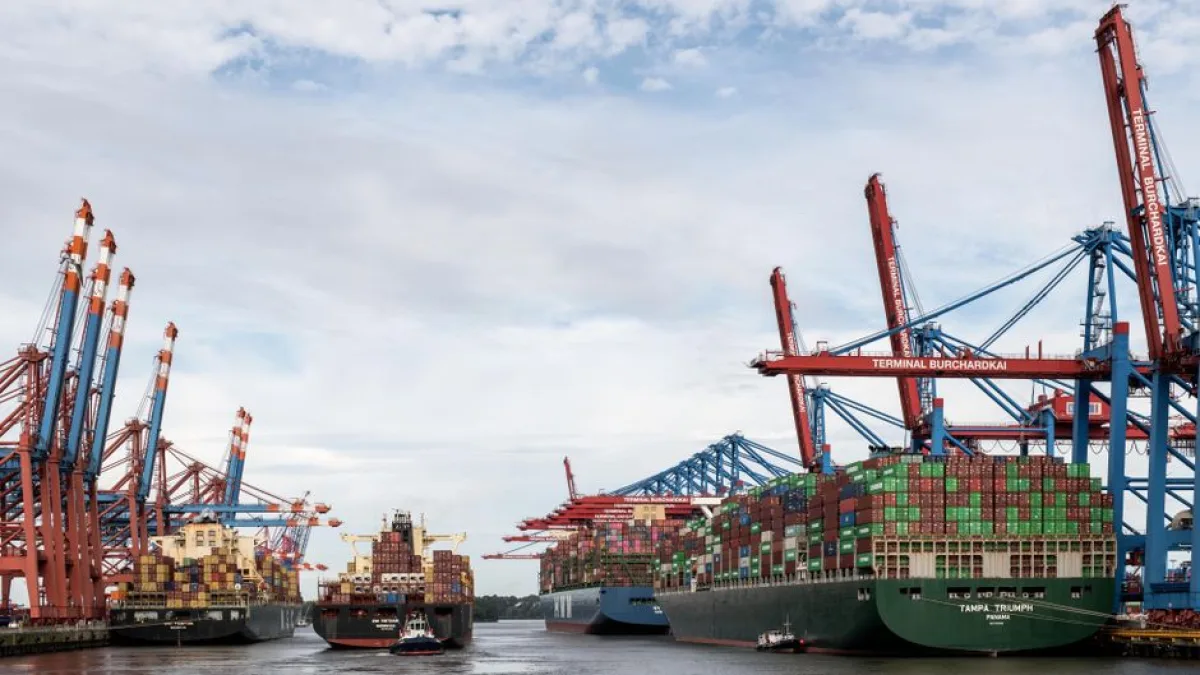
Technology remains the greatest catalyst for growth in the freight forwarding sector today. By embracing digital tools for visibility, automation, and cybersecurity, you position your firm as a modern leader in the industry. Start evaluating your current software capabilities now to identify areas where upgrades will drive the most value. Building a digitally forward company ensures long term resilience in an evolving global landscape.