Navigating the Future of Freight Forwarding Technology
Tuesday, September 1 2026
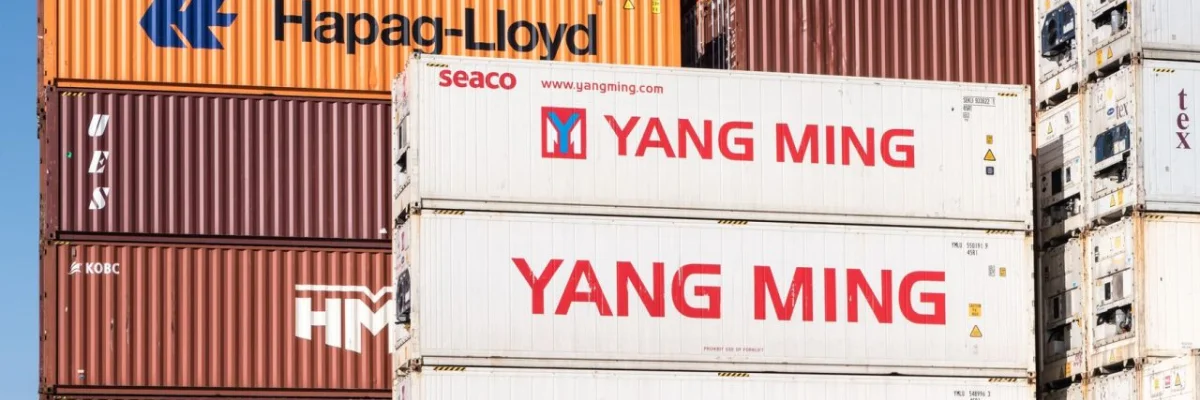
The global logistics landscape is undergoing a profound transformation as digitalization moves from a competitive advantage to a fundamental operational requirement. Freight forwarders are increasingly facing pressure to provide real-time visibility, automated documentation, and seamless cross-border communication. As supply chain complexities rise due to geopolitical shifts and consumer demands for rapid fulfillment, the need for cloud-based integration has never been higher. Adopting robust software solutions allows companies to eliminate manual data entry errors, scale operations efficiently, and maintain a high level of service quality while navigating the unpredictable nature of international trade and complex carrier networks.
Modern Digital Infrastructure
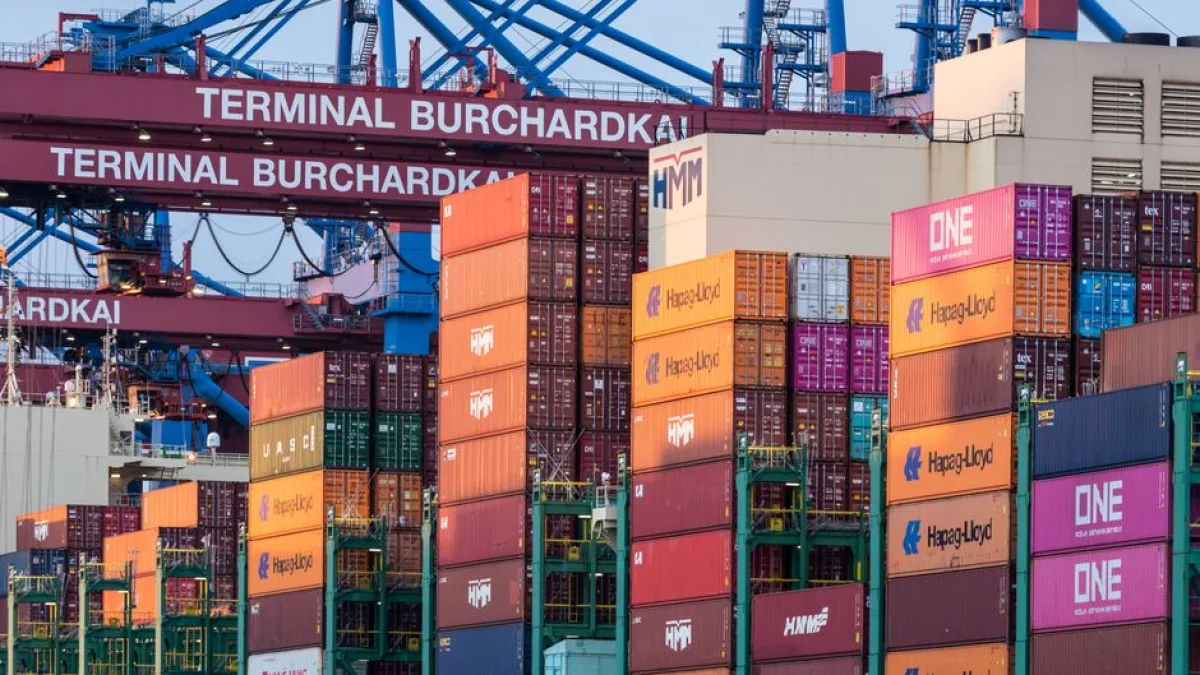
Modern infrastructure serves as the backbone of every successful logistics firm today. By centralizing data, teams can monitor shipments from origin to destination without relying on disparate systems, ensuring that every stakeholder remains informed throughout the entire complex delivery lifecycle.
- Cloud based accessibility: Centralizing data in the cloud allows remote teams to access shipment details instantly from any location, fostering better collaboration and reducing communication delays between international office hubs.
- Automated data entry: Software platforms drastically reduce human error by automating repetitive documentation tasks, allowing your logistics professionals to focus on strategic customer support rather than manual spreadsheet updates.
- Real time visibility: Providing customers with live tracking updates builds trust and transparency, as clients can view their cargo progress without waiting for manual status report emails from agents.
- Scalable system architecture: Cloud tools grow alongside your business, enabling forwarders to add new routes, regions, or staff members without needing to overhaul their entire internal technology stack repeatedly.
- Enhanced data security: Professional logistics platforms utilize advanced encryption and regular backups, protecting sensitive client and carrier information from cyber threats in an increasingly vulnerable global digital economy.
Investing in a scalable digital foundation is no longer optional for forwarders who want to remain competitive. As the industry moves toward complete digital transformation, businesses that adopt cloud systems early gain a significant edge in operational speed and accuracy. By streamlining internal workflows today, your company creates the necessary capacity to handle future growth and market fluctuations with confidence and professional precision.
Optimizing Supply Chain Efficiency

Optimizing daily operations is essential for maintaining healthy profit margins. Through smart technology, forwarders can identify bottlenecks in their workflows, streamline carrier bookings, and ensure that every shipment follows the most cost effective route available during turbulent market conditions today.
- Intelligent route planning: Advanced algorithms analyze historical data and current transit conditions to suggest optimal shipping routes, helping companies reduce fuel consumption and avoid costly port congestion delays.
- Carrier performance analysis: Tracking the reliability and pricing of various carriers enables forwarders to make informed decisions that align with specific budget requirements and shipment delivery expectations.
- Customs compliance automation: Managing international trade regulations becomes much simpler when documentation software flags potential compliance issues before they result in significant fines or unnecessary border cargo delays.
- Resource management tools: Efficiently assigning tasks to your team members ensures that no shipment is overlooked, maximizing the total volume of freight handled during peak operational seasons.
- Financial workflow integration: Linking operational data directly to accounting systems ensures faster invoicing and improved cash flow, reducing the time spent chasing late payments or reconciling account statements.
Operational efficiency is the primary metric by which modern freight forwarders measure their long term success. By utilizing data driven insights to optimize every step of the logistics journey, businesses can reduce overhead costs while simultaneously improving service levels for their end clients. When your technology works as a cohesive unit, your team spends less time troubleshooting and more time expanding your global footprint.
Leveraging Real Time Data

Data acts as the lifeblood of the contemporary logistics industry. By harvesting actionable intelligence from shipment patterns, forwarders can anticipate market shifts, adjust pricing strategies on the fly, and provide high level advisory services that go beyond basic cargo movement tasks.
- Predictive market analytics: Utilizing historical data trends helps forwarders forecast capacity needs and adjust their booking strategies accordingly to avoid being caught off guard by sudden rate spikes.
- Operational performance reports: Customizable dashboards provide clear insights into your business health, allowing leadership to make decisions based on factual performance metrics instead of simple educated guesses.
- Customer preference tracking: Storing and analyzing past shipment requirements helps you anticipate what your clients need before they even ask, resulting in more proactive and professional service.
- Dynamic pricing models: Integrating market rate data into your quoting tools ensures that your pricing remains competitive and profitable, regardless of how quickly the market shifts daily.
- Supply chain forecasting: Understanding recurring seasonal patterns allows you to prepare resources in advance, ensuring you have the capacity required during high volume demand periods annually.
The ability to interpret and act on data separates industry leaders from average operators. Forwarders who prioritize data literacy can navigate the complexities of international trade with greater foresight and agility. By converting raw information into a strategic advantage, your team gains the power to make faster, more accurate decisions that drive sustained business growth and foster deep loyalty with your customers.
Building Stronger Customer Relationships

Customer retention is the ultimate goal for any service oriented logistics business. Providing a seamless digital experience for clients is just as important as the physical movement of freight, as it builds a reputation for reliability in a very competitive global market.
- Client portal access: Offering a branded portal allows your clients to view their own shipment history, download invoices, and request quotes without needing direct contact with agents.
- Automated status alerts: Keeping customers informed through automated email or text notifications reduces the volume of inquiry calls, freeing up your team for more complex tasks.
- Professional document templates: Using standardized, high quality document templates ensures that your brand image remains consistent and professional across all interactions with your diverse client base.
- Support ticket management: Efficiently tracking client inquiries through a centralized system ensures that every customer issue is resolved promptly, leaving no question unanswered during shipping processes.
- Communication history tracking: Storing all correspondence within the shipment file prevents information silos, allowing anyone on your team to pick up a conversation exactly where it left off.
Ultimately, a successful freight forwarding business is built on trust and consistent execution. By leveraging technology to provide a superior customer experience, you turn one time shippers into long term partners. When your clients feel confident that their cargo is in good hands and that they have full visibility into the process, your business achieves a level of stability that is truly unmatched.
Conclusion

Embracing modern technology is the most effective way to secure the future of your freight forwarding firm. By integrating cloud solutions, optimizing operations with data, and prioritizing the client experience, you build a resilient business that thrives in any market. Start upgrading your internal processes today to ensure that your company remains a leader in the rapidly evolving global logistics landscape.