Navigating the Future of Freight Forwarding Technology
Monday, September 7 2026
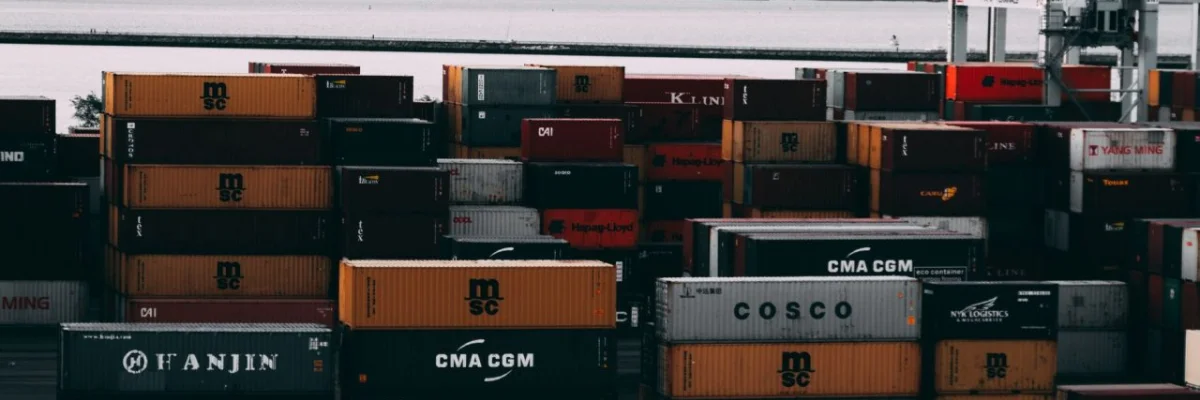
The global logistics landscape is undergoing a profound digital transformation that reshapes how forwarders manage complex supply chains. As market volatility persists, professionals must leverage advanced cloud software to maintain a competitive edge. Automation and real time data visibility have moved from luxury features to absolute requirements for survival in a fragmented industry. This shift demands a strategic approach to technology adoption, focusing on scalability and seamless integration. By embracing these modern tools, freight companies can overcome traditional operational bottlenecks, reduce manual errors, and provide superior service levels that meet the rising expectations of shippers and consignees worldwide.
Digital Transformation Strategies

Digital transformation initiatives require a clear roadmap that prioritizes interoperability between legacy systems and modern cloud applications. Forwarders must evaluate their current workflows to identify manual tasks that hinder growth, focusing on scalable solutions that empower teams to handle increased shipment volumes efficiently.
- Automated Data Entry: Implement advanced optical character recognition to digitize complex shipping documents instantly, reducing manual typing errors and freeing up your operations staff to focus on high value tasks.
- Cloud System Integration: Connect your existing freight management software with carrier portals and customs platforms to ensure a single source of truth for all critical shipment information updates.
- Scalable Infrastructure Planning: Utilize cloud based platforms that expand alongside your business requirements, ensuring that your IT costs remain predictable while your operational capacity grows to meet seasonal demand.
- Data Driven Insights: Leverage built-in analytics dashboards to monitor key performance indicators in real time, allowing management to make informed decisions regarding carrier selection and route optimization strategies.
Adopting these digital strategies ensures that your organization stays ahead of market disruptions while maintaining high levels of service excellence. As the industry evolves toward total transparency, those who integrate robust cloud systems early will find themselves better positioned to weather economic shifts. Start by auditing your most time consuming processes to understand where automation provides the highest return on your long term investment.
Optimizing Global Ocean Freight
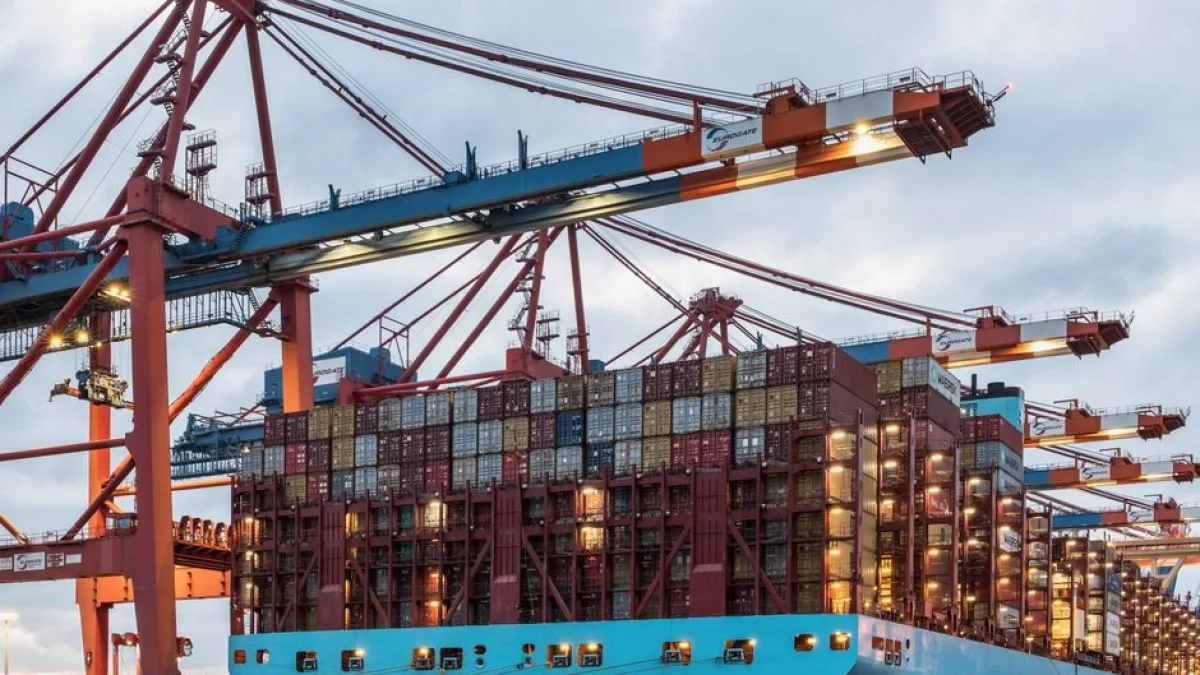
Managing ocean freight in a volatile market necessitates precise container tracking and proactive capacity planning. Modern software tools allow forwarders to monitor vessel status, identify potential delays, and communicate updates to clients, ensuring that cargo moves through global ports without unnecessary and costly pauses.
- Container Tracking Systems: Access live status updates for every container through integrated carrier APIs, providing your clients with accurate arrival estimates and reducing the volume of customer service inquiries.
- Dynamic Route Planning: Utilize smart software algorithms to compare multiple shipping routes and carrier schedules, enabling your team to select the most cost effective options for urgent shipments.
- Enhanced Port Visibility: Integrate with port terminals to receive early alerts regarding congestion or labor issues, allowing for faster decision making and the rerouting of cargo when needed.
- Accurate Cost Analysis: Track ocean freight expenditures per shipment to identify trends in carrier pricing, which helps in negotiating better service agreements during future contract renewal periods.
Optimizing your ocean freight operations is essential for maintaining margins in an industry where price fluctuations are the norm. By centralizing your visibility tools, you minimize the risk of human error and improve coordination between international partners. These improvements lead to more reliable scheduling and stronger relationships with your shipping clients, ultimately securing your position as a trusted partner in global trade.
Warehouse Automation and Efficiency

Efficiency at the warehouse level serves as the backbone for successful freight distribution and last mile delivery. Forwarders who adopt automated inventory management systems can streamline their handling processes, reduce physical space wastage, and ensure that cargo is moved from receiving to outbound shipping with minimal idle time.
- Real Time Inventory: Track all goods moving through your warehouse using barcoding technology that updates your central platform instantly, ensuring that stock records remain accurate and fully transparent.
- Optimized Picking Processes: Deploy digital workflows that guide warehouse staff through the most efficient picking paths, significantly reducing travel time within the facility during high volume order cycles.
- Cross Docking Capabilities: Streamline the transition of goods from inbound trucks to outbound shipments by using cloud systems that coordinate arrivals, eliminating the need for long term storage.
- Safety Compliance Tracking: Maintain detailed digital records of all handling activities and equipment maintenance schedules, which helps your team adhere to strict industry safety and health regulations.
Streamlining warehouse operations creates a ripple effect that benefits every subsequent stage of the freight journey. When your team can locate and process cargo faster, you reduce bottlenecks and improve the overall flow of the supply chain. Focus on creating a unified digital environment where warehouse activities and freight documentation are fully synchronized, allowing your business to scale throughput without sacrificing accuracy or safety.
Customer Experience Through Transparency

Providing a superior customer experience hinges on transparency and the ability to share information proactively. Clients expect self service access to their shipment data, and delivering this through professional digital portals builds trust and differentiates your firm from competitors who rely on fragmented and slow email communication.
- Customer Portal Access: Grant your clients direct access to a secure online portal where they can view shipment statuses, download invoices, and review historical data on demand.
- Proactive Status Notifications: Configure automated email or SMS alerts that notify your clients immediately if a shipment status changes, preventing frustration and reducing the need for constant updates.
- Simplified Document Sharing: Use secure cloud storage to host all shipping documents, ensuring that clients can access their bills of lading and commercial invoices whenever they require them.
- Feedback Loop Integration: Collect customer feedback directly through your digital portal after shipment delivery to identify areas for service improvement and strengthen your long term professional relationships.
Building a reputation for transparency is the most effective way to retain loyal shipping clients in a highly competitive freight market. By empowering customers with instant access to their own data, you demonstrate professionalism and reduce the administrative burden on your support team. Invest in communication tools that treat your clients as active participants in the digital freight experience today.
Conclusion

Freight forwarding professionals must embrace cloud technology to thrive in an increasingly digital trade environment. By focusing on automation, real time visibility, and superior customer portals, forwarders can optimize their internal workflows while delivering exceptional value to their shipping clients. Evaluate your current software capabilities and begin the shift toward a more connected, efficient, and transparent operation to ensure long term industry success.