Navigating the Future of Freight Forwarding Technology
Wednesday, September 9 2026

The global logistics landscape is undergoing a profound transformation driven by rapid digitization and shifting trade demands. As freight forwarders face increasing pressure to provide transparency, speed, and cost-efficiency, adopting robust software platforms has moved from a competitive advantage to an absolute necessity. Modern cloud-based solutions allow companies to centralize operations, automate manual workflows, and foster stronger relationships with partners worldwide. Staying ahead in this competitive market requires a commitment to innovation and an openness to rethinking traditional business models that have defined the industry for decades. This article examines the essential trends shaping the future of global logistics operations today.
Embracing Cloud Automation

Digital transformation starts with moving legacy systems to the cloud, allowing teams to access critical shipment data from anywhere in the world. This transition eliminates data silos and ensures that every stakeholder remains synchronized throughout the complex multi-modal shipping process.
- Seamless Data Integration: Modern platforms connect directly with customs authorities and carriers to automate documentation flows, significantly reducing manual data entry errors and speeding up administrative processing times for teams.
- Centralized Workflow Hubs: By consolidating communication and document management into one location, your staff can focus on high-value tasks instead of searching through endless email threads and fragmented spreadsheets.
- Real-time Visibility Tools: Tracking shipments becomes effortless when your software integrates live updates, providing you and your clients with precise information regarding current locations and estimated delivery timeframes.
- Scalable Infrastructure Growth: Cloud-based systems are designed to grow with your business, allowing you to add new users, branches, or modules without the need for expensive hardware or maintenance.
Adopting these cloud tools represents a fundamental shift in how freight forwarders handle daily challenges. By streamlining internal operations and reducing reliance on manual inputs, firms can handle higher shipment volumes without a corresponding increase in overhead costs. This agility is vital for staying competitive in a volatile global market where customer expectations for rapid communication and transparency are constantly rising higher than ever before.
Optimizing Global Supply Chains
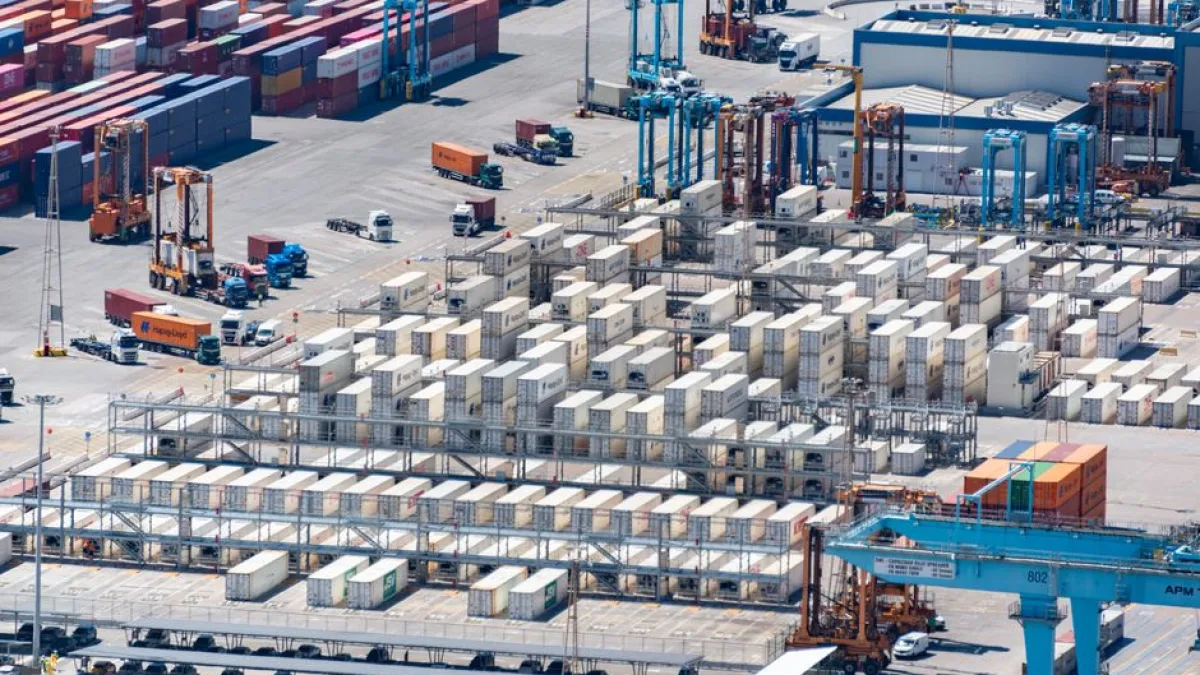
Logistics professionals must utilize advanced analytics to optimize routes and identify potential bottlenecks before they impact delivery timelines. Effective supply chain optimization relies on turning raw data into actionable insights that drive better decision-making and performance across global trade.
- Predictive Route Planning: Software algorithms analyze historical performance and current traffic patterns to suggest the most efficient transit routes, saving fuel and reducing total time spent in global transit.
- Automated Cost Management: Dynamic pricing engines help forwarders compare carrier rates in seconds, ensuring you always secure the best margins while offering competitive shipping prices to your loyal customers.
- Risk Mitigation Strategies: Integrated dashboard tools highlight potential disruptions early, enabling proactive communication with clients and the swift execution of alternative plans to keep freight moving effectively.
- Supplier Performance Tracking: Monitor the reliability of your carrier network through automated reports, ensuring that you only collaborate with partners who meet your high service quality standards.
Optimizing your supply chain requires a proactive mindset backed by the right software capabilities. When you leverage data to inform your logistical strategy, you transform your service from a simple commodity into a strategic partnership. This level of service excellence is exactly what shippers demand today, helping you build lasting loyalty while ensuring that cargo arrives safely and on schedule every single time.
Enhancing Customer Transparency

Modern shippers demand instant access to their shipment status, which necessitates a transparent digital interface. Providing a client portal not only builds deep trust but also reduces the time your customer support team spends answering repetitive status update requests daily.
- Client Portal Access: Empower your customers with a secure web-based portal where they can view real-time tracking, download invoices, and check document status without needing to call you.
- Automated Status Alerts: Proactively notify your clients via email or SMS when milestones occur, preventing confusion and ensuring that they feel fully informed during the entire transport process.
- Digital Document Vault: Store all bills of lading and customs declarations in an easily searchable online archive, making audits and retrieval processes simple for both you and your customers.
- Direct Messaging Tools: Integrated chat features within your platform allow for secure and documented communication, ensuring that all specific shipment instructions are recorded and accessible to your team.
Prioritizing transparency is a powerful way to differentiate your brand in a crowded market. When you empower clients with self-service tools, you demonstrate that your business is modern, organized, and reliable. This open flow of information reduces friction throughout the logistics cycle, leading to faster payments, fewer disputes, and a significantly higher rate of customer retention in the long term for your company.
Ensuring Digital Security

As the freight industry adopts more digital tools, protecting sensitive trade data becomes a primary concern for every logistics company. Robust security measures are essential to maintain the integrity of your operations and keep your valuable customer information safe from threats.
- Secure Data Encryption: All information transmitted through your cloud-based platform must be encrypted using high-level protocols to prevent unauthorized access and protect the privacy of your global partners.
- Role-based Access Controls: Limit internal access to sensitive documents based on employee roles, ensuring that team members only interact with the information strictly necessary for their specific daily duties.
- Regular System Audits: Scheduling consistent security assessments helps identify potential vulnerabilities within your software infrastructure, allowing you to patch weaknesses before they can be exploited by malicious external actors.
- Disaster Recovery Plans: Maintain secure, automated backups of all critical operational data to ensure that your business remains functional even in the event of unexpected hardware or server failures.
Maintaining strong digital security is not optional in the current landscape. By investing in a secure platform and enforcing strict internal protocols, you protect your company from significant reputational and financial harm. Clients will naturally gravitate toward partners who prioritize their data privacy, making robust security a core component of your overall sales strategy and long-term business sustainability in the freight industry.
Conclusion

The future of freight forwarding rests on the successful integration of smart technology. By adopting cloud automation, optimizing supply chains, and prioritizing transparency, forwarders can thrive in a demanding global environment. The tools mentioned above provide the foundation for scaling your business while maintaining high service standards. Embrace these digital solutions now to secure your company place as a leader in the next generation of global logistics.