Navigating the Future of Freight Forwarding Technology
Thursday, September 10 2026
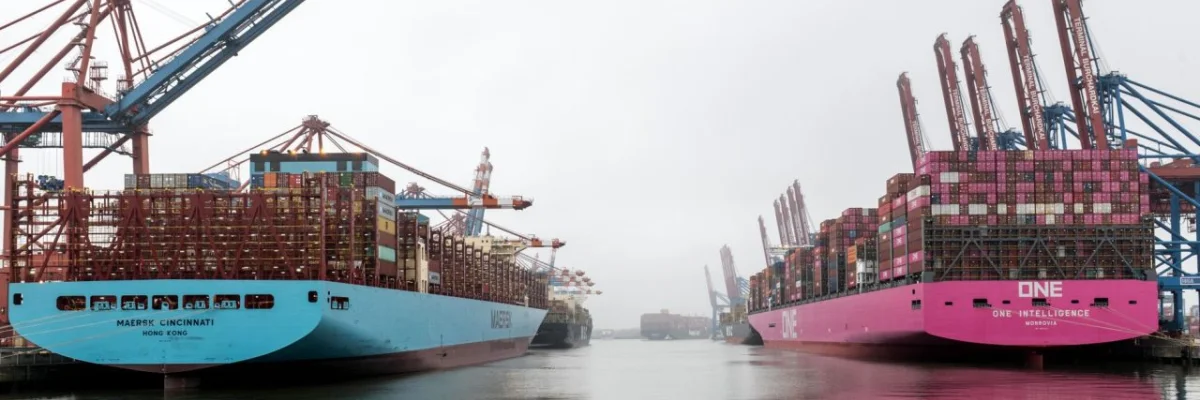
The global logistics landscape is undergoing a profound transformation as digitalization moves from a competitive advantage to a fundamental operational necessity for forwarders. As supply chains become increasingly complex and market volatility threatens profit margins, freight professionals are turning to cloud platforms to enhance transparency and improve customer service. Integrating automated systems helps firms manage soaring data volumes while minimizing human error in documentation and compliance. By adopting agile technology strategies today, forwarders position themselves to capitalize on emerging trade patterns and deliver consistent value to their clients in an unpredictable international market environment.
Modernizing Logistics Infrastructure

Modern digital infrastructure acts as the nervous system for freight forwarders, connecting disparate workflows into one unified dashboard. By transitioning from legacy spreadsheets to cloud solutions, companies gain real-time visibility into every shipment, reducing administrative overhead and allowing teams to focus on strategy.
- Automated Workflow Efficiency: Integrated software platforms handle repetitive documentation tasks, allowing your team to reallocate their precious time toward complex problem solving and client relationship management throughout the shipping process.
- Centralized Data Management: Storing all shipment details in a single cloud repository eliminates communication silos, ensuring that every department accesses the most accurate, up-to-date information for every container.
- Real-time Visibility Tools: Advanced tracking modules provide live updates on cargo location and status, enabling proactive notifications for clients before delays impact their delivery schedules or warehouse operations.
- Cloud Scalability Options: Flexible digital architecture allows your freight business to scale resources up or down based on seasonal demand, ensuring you always have sufficient capacity without overspending on.
Adopting this technical foundation empowers freight forwarders to move faster than traditional competitors while maintaining rigorous quality standards. When your core operational data exists in a centralized cloud environment, you reduce the risk of information gaps during staff transitions or sudden spikes in freight volume. This digital evolution is essential for maintaining a competitive edge in today's fast-paced international logistics market.
Enhancing Global Supply Chain Transparency

Transparency serves as the primary currency in modern logistics, where clients demand instant access to their inventory status. Providing this clarity requires robust digital tools that bridge the gap between ocean carriers, trucking fleets, and the final warehouse destination point.
- Seamless Carrier Integration: Connecting your management software directly with ocean and air carrier APIs ensures that booking confirmations and status changes update automatically without requiring manual data entry.
- Client Portals Access: Giving customers their own login to monitor shipments reduces the number of status requests handled by your support staff, creating a self-service experience for shippers.
- Proactive Issue Resolution: Early warning systems triggered by data analytics help forwarders identify potential port congestion or route delays, allowing for faster rerouting and effective communication with affected.
- Accurate Document Digitization: Utilizing optical character recognition and automated document processing ensures that bills of lading and commercial invoices are digitized correctly for rapid customs clearance and processing.
By prioritizing transparency, you build deep trust with clients who face the pressure of shrinking delivery windows. When your firm acts as a single source of truth for shipment tracking, you move from being a commodity provider to a strategic partner. This level of service fosters long term loyalty and helps your business thrive during periods of intense supply chain instability.
Leveraging Advanced Data Analytics

Data analytics transforms raw shipment history into actionable intelligence that drives smarter business decisions. By analyzing trends in freight costs and transit times, forwarders can optimize their carrier selection processes and improve their overall service reliability for various international trade lanes.
- Cost Analysis Reporting: Detailed reports on carrier performance and lane pricing help you identify the most cost-effective shipping routes to offer clients while maximizing your own internal margins.
- Predictive Capacity Planning: Analyzing historical shipping data allows your firm to predict periods of peak demand, enabling better negotiation with carriers for container space ahead of time.
- Customer Behavior Insights: Tracking service preferences and shipment frequencies helps you understand which clients offer the most potential for growth, allowing for targeted sales and marketing efforts.
- Operational Performance Metrics: Monitoring key performance indicators like processing time per shipment reveals bottlenecks in your internal operations that need to be addressed to boost staff productivity.
Making decisions backed by solid data removes the guesswork from freight operations and carrier management. As you gather more insights over time, you can optimize your pricing strategies and resource allocation to align with market shifts. This analytical mindset creates a more resilient business model that can withstand price volatility and changing global economic conditions with confidence and efficiency.
Strengthening Cybersecurity and Compliance

As logistics becomes increasingly digital, cybersecurity and regulatory compliance have become top priorities for freight forwarders. Protecting sensitive client data from cyber threats is essential to maintain your reputation and ensure that all international shipments proceed without legal or technical interruptions.
- Encrypted Data Storage: Using high-level encryption for all stored shipment files and financial records ensures that your clients proprietary information remains protected against unauthorized access and cyber threats.
- Customs Compliance Updates: Automated software tools track changing international trade regulations and customs requirements, ensuring all documentation is submitted correctly to avoid fines and costly border delays.
- Multi Factor Authentication: Implementing strict login protocols for your freight platform protects your firm from credential theft, adding a vital layer of security to your company operations.
- Secure Cloud Infrastructure: Partnering with cloud providers that offer robust security certifications protects your business from system downtime and potential data loss during unexpected digital server failures.
Maintaining high security standards demonstrates to your customers that you take their supply chain security seriously. As regulators around the world tighten their focus on data privacy and digital freight standards, having an automated compliance system will save you from potential legal headaches. Investing in these safeguards today ensures that your logistics operations remain stable and secure for years to come.
Conclusion
Embracing modern freight software is no longer optional for companies aiming to lead in the global logistics industry. By automating workflows, increasing transparency, and using data to guide your strategy, you can turn modern challenges into growth opportunities. Take the first step toward digitizing your freight operations today to ensure your business remains agile, competitive, and profitable in this digital age.