Navigating the Future of Freight Forwarding Technology
Thursday, September 17 2026
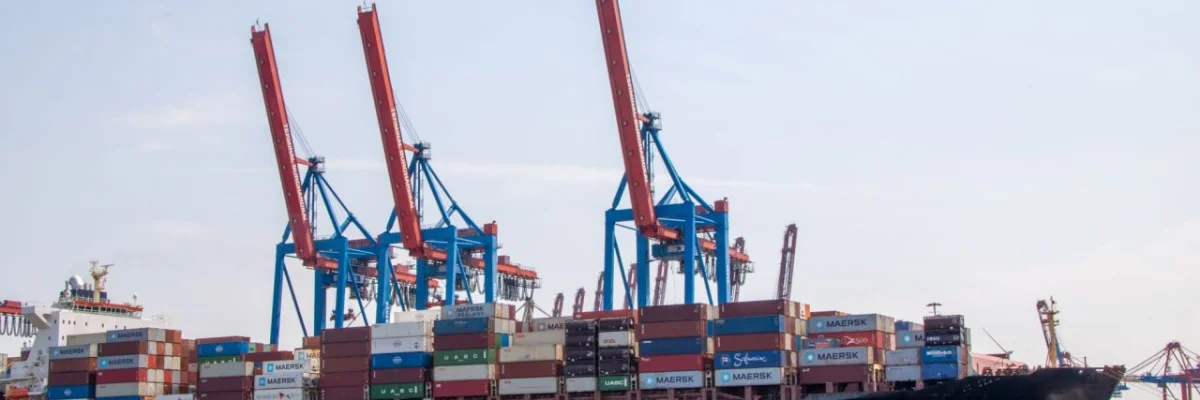
The global logistics landscape is undergoing a profound transformation as digitalization moves from a competitive advantage to a fundamental operational requirement. Freight forwarders are increasingly facing pressure to integrate automated systems, enhance supply chain visibility, and manage volatile shipping rates with precision. As traditional manual processes struggle to keep pace with modern expectations for speed and transparency, adoption of cloud-based platforms becomes essential for long-term viability. This article examines the critical technological shifts defining the current freight forwarding sector and how professionals can leverage advanced software solutions to maintain resilience in an era characterized by rapid market change and global connectivity.
Embracing Digital Transformation
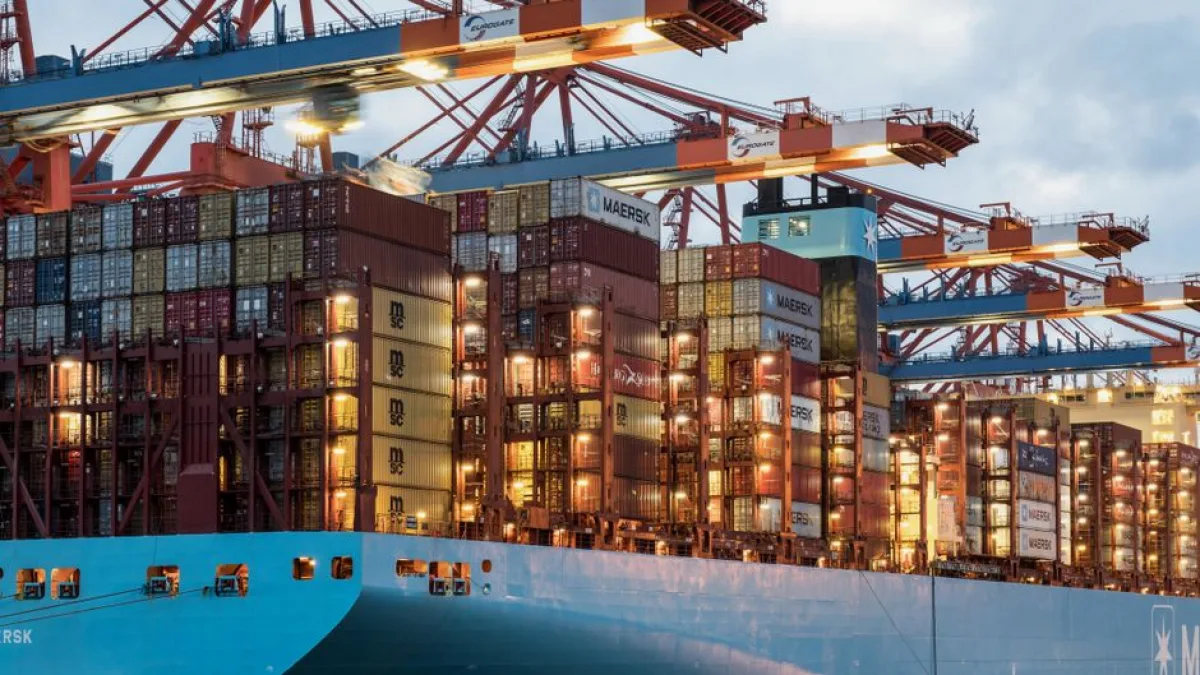
The shift toward digital operations represents a major turning point for global logistics companies. Modern platforms now offer seamless integration, allowing firms to replace fragmented spreadsheet workflows with centralized systems that capture real-time data across every stage of the shipment lifecycle.
- Data Centralization Strategy: Consolidating all documentation and communication into a single cloud environment allows teams to access information instantly, drastically reducing errors and preventing potential delays in complex transport projects.
- Operational Efficiency Gains: Automation of repetitive tasks like data entry and invoice generation enables staff to focus on high-value client relations and strategic problem solving during critical phases.
- Enhanced Transparency Standards: Providing clients with live tracking capabilities builds trust and establishes a professional reputation, which is necessary for retaining top-tier accounts in competitive international markets.
- Scalable Infrastructure Planning: Adopting cloud platforms ensures that your business can easily expand its operations without the need for significant hardware investments or complex server maintenance schedules.
Transitioning to digital infrastructure requires a clear roadmap and a commitment to staff training. By prioritizing intuitive software, forwarders can ensure their teams adapt quickly to new workflows while minimizing downtime. As firms move away from legacy systems, they gain the agility needed to respond to global market shifts, ultimately leading to improved profit margins and a more robust competitive position in the industry.
Optimizing Supply Chain Visibility

Visibility is no longer an optional service but a core expectation from clients who demand constant updates. Advanced software allows forwarders to provide granular tracking, giving stakeholders peace of mind while fostering stronger communication throughout the entire cargo transit process daily.
- Real Time Tracking: Integrating GPS and satellite data directly into your dashboard provides stakeholders with immediate status updates, eliminating the need for tedious manual status requests via email.
- Proactive Exception Management: Advanced alerting systems notify users of delays before they become major crises, allowing staff to implement contingency plans that protect the integrity of shipments.
- Client Portal Access: Granting customers a secure login for their shipments empowers them to track cargo and download invoices independently, significantly reducing the administrative burden on teams.
- Accurate Predictive Analytics: Utilizing historical data helps teams anticipate potential bottlenecks in specific lanes, allowing for better planning and more accurate quoting for future client projects.
Visibility serves as the foundation for modern freight management. When forwarders can prove that they have full control over cargo movement, they differentiate themselves in a crowded marketplace. This transparency creates a culture of accountability that benefits both the forwarder and the shipper, turning logistical challenges into opportunities for excellence that drive customer loyalty and long-term partnership success for the organization.
Automating Financial Processes

Financial management remains one of the most time-consuming aspects of freight forwarding. Manual billing often leads to discrepancies and cash flow delays, whereas integrated systems streamline the entire accounting cycle from the initial client quote to the final payment.
- Automated Invoice Creation: Generating accurate invoices based on actual shipment data ensures that billing is precise and immediate, significantly reducing the time spent on manual ledger reconciliation.
- Seamless Currency Conversion: Handling international payments requires robust systems that manage exchange rate fluctuations, ensuring that your firm maintains accurate financial records across multiple global operating regions.
- Vendor Payment Management: Streamlining the payout process for carriers and third-party logistics providers keeps your supply chain partners satisfied while maintaining healthy cash flow for your business.
- Instant Profit Analysis: Monitoring margins on a per-shipment basis allows managers to identify which lanes or services are most profitable, helping to guide future strategic business decisions.
Automation in finance mitigates the risks associated with human error and slow payment processing. By ensuring that billing is fast and error-free, forwarders can maintain healthy relationships with both partners and clients. A well-managed financial system is the engine of any growth strategy, providing the clarity required to reinvest in new technology or expand into new geographic markets with confidence.
Building Resilience Through Analytics

Data is the most valuable asset in the modern freight industry. By analyzing historical performance, forwarders can identify patterns that allow them to make proactive adjustments to their service offerings and pricing models to improve overall firm performance.
- Historical Performance Review: Examining past data reveals trends in cargo movement, which helps managers forecast seasonal demand and prepare the necessary resources to meet upcoming client requirements.
- Competitor Pricing Intelligence: Utilizing software to monitor lane rates across the market allows forwarders to offer competitive quotes that secure business while protecting target profit margins effectively.
- Service Quality Benchmarking: Tracking carrier performance metrics ensures that only the most reliable partners are utilized, maintaining a high standard of service for every shipment handled daily.
- Strategic Growth Planning: Leveraging deep insights into business operations allows leadership teams to pinpoint areas for expansion, whether that involves new regions or specialized freight services.
Data-driven decision making replaces guesswork with precision. When leaders base their choices on hard statistics, the entire firm becomes more resilient against market volatility. By cultivating a culture that values insights and analytical thinking, freight forwarders can navigate the complexities of global logistics with greater confidence, ensuring they stay ahead of industry trends while maximizing value for every client they serve.
Conclusion

The freight forwarding industry is evolving rapidly, and the adoption of technology is essential for success. By centralizing data, increasing transparency, and embracing automation, firms can overcome traditional challenges and drive sustainable growth. Investing in cloud-based solutions today positions your business to thrive in a demanding global market. Start your digital transition now to ensure your logistics operations remain efficient, competitive, and scalable.