Navigating the Future of Freight Forwarding Technology
Friday, September 18 2026

The global logistics landscape is undergoing a profound digital transformation that challenges traditional freight forwarding operations to adapt rapidly. As supply chain complexities increase, professionals must shift from legacy manual processes toward agile, cloud-based environments to maintain a competitive edge. Modern software solutions now offer unprecedented visibility, enabling forwarders to optimize routes, manage documentation seamlessly, and enhance client communication in real time. This evolution is not merely about adopting new tools but about fundamentally rethinking how information flows across international borders. Embracing these innovations ensures that your firm remains resilient against market volatility while fostering scalable growth and operational excellence.
Automated Customs Compliance

Automated systems have revolutionized how forwarders manage customs declarations, reducing the burden of repetitive data entry tasks. By utilizing integrated software platforms, companies can minimize costly errors and ensure that shipments move through checkpoints without facing unnecessary regulatory delays or fines.
- Real-time validation updates: Modern systems automatically cross-reference shipment data against the latest international trade regulations to ensure total compliance before documents are ever submitted to the local authorities.
- Digital document archiving: Centralizing your customs files in the cloud prevents data loss while providing instant retrieval capabilities during mandatory audits or routine checks by government trade officials.
- Automated tariff calculations: Dynamic software engines instantly calculate applicable duties and taxes based on HS codes, which helps in preventing unexpected billing discrepancies for your valued global clients.
- Seamless agency integration: Direct API connections with customs authorities allow for the instantaneous transmission of digital manifests, significantly accelerating the release process for import and export shipments.
By shifting to automated compliance frameworks, your team can focus on higher value logistics strategy rather than drowning in paperwork. The reduction in manual intervention leads to fewer human errors and faster processing speeds for your most critical cargo. Investing in these digital tools positions your freight forwarding business to handle complex regulatory environments with confidence and precision every single day.
Enhancing Supply Chain Visibility
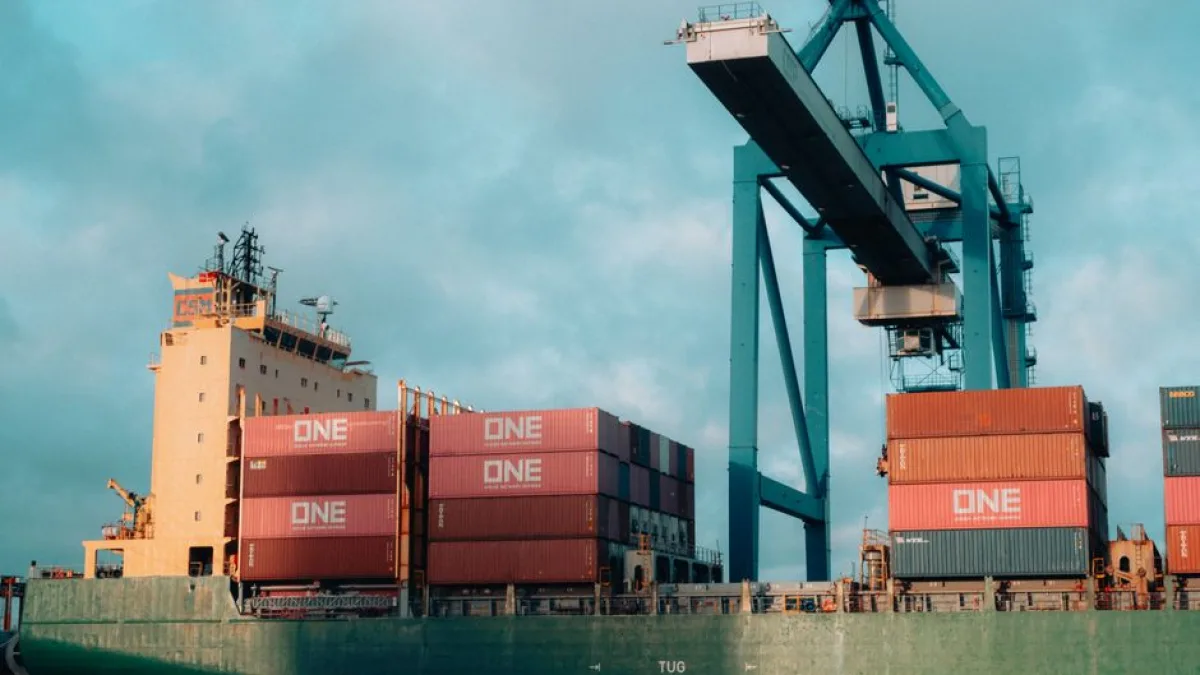
Total visibility has become the primary demand for modern shippers who require granular tracking data for their global freight movements. Providing accurate, proactive updates builds long-term trust and differentiates your firm from competitors still relying on outdated phone-based communication methods.
- Live tracking portals: Offer your clients a dedicated online dashboard where they can monitor container status, vessel location, and estimated arrival times without waiting for manual status updates.
- Automated milestone alerts: Configure custom triggers that send email or text notifications to stakeholders whenever a shipment reaches a specific terminal or experiences an unexpected transit delay.
- Exception management tools: Identify potential disruptions early in the supply chain lifecycle so that your operational team can take proactive corrective actions before the cargo is affected.
- Data-driven performance analytics: Visualize carrier performance and transit time consistency through comprehensive reports, enabling you to make smarter logistics decisions for future bookings and carrier negotiations.
When clients have constant access to shipment data, their satisfaction levels climb significantly. High-quality visibility reduces the volume of support tickets your staff must handle manually each day, freeing them up for other tasks. A transparent digital interface is no longer a luxury but a standard expectation in the current logistics market, driving loyalty and ensuring your firm remains the preferred choice.
Cloud-Based Operational Efficiency

Transitioning to cloud-native platforms allows logistics teams to collaborate effortlessly from anywhere in the world. By removing the constraints of localized desktop software, companies gain the flexibility needed to manage global operations with a unified data set that is always secure.
- Remote accessibility benefits: Enable your staff to securely access critical booking files and customer information from any location, which supports a modern and flexible work environment culture.
- Instant system updates: Cloud software providers push regular feature enhancements and security patches automatically, ensuring that your firm always operates on the most current version available today.
- Collaborative workflow tools: Centralized digital workspaces allow multiple team members to edit and review shipping documentation simultaneously, which eliminates version control issues and speeds up processing cycles.
- Robust data security: Professional cloud infrastructures implement advanced encryption and daily backups to protect your sensitive operational data against cyber threats or hardware failure events easily.
Adopting cloud technology is a strategic move that enhances your business agility and operational stability. By moving away from server-based limitations, you gain the freedom to scale your operations rapidly during peak shipping seasons. Your team can operate as a cohesive unit, regardless of their physical location, which ultimately leads to more reliable service delivery for your clients across all routes.
Data Analytics for Optimization

Advanced analytics tools empower forwarders to transform raw shipment data into actionable insights for continuous process improvement. By understanding trends and patterns, firms can optimize their profit margins and better predict the needs of their customers in a changing world.
- Predictive demand forecasting: Analyze historical booking trends to anticipate future volume fluctuations, allowing your team to allocate resources effectively and manage capacity planning with much greater accuracy.
- Cost analysis reports: Identify hidden expenses in your supply chain and analyze carrier rate fluctuations to ensure that your pricing strategies remain competitive yet highly profitable always.
- Carrier performance metrics: Evaluate which transport partners consistently deliver on time and within budget, helping you refine your carrier portfolio for maximum efficiency and reduced shipping risk.
- Internal productivity tracking: Monitor key performance indicators across your organization to find bottlenecks in your internal workflows and implement targeted improvements to increase overall operational staff output.
Leveraging data is the key to maintaining a sustainable advantage in the fast-paced logistics industry. When you make decisions based on objective numbers instead of intuition, you reduce risk and uncover new opportunities for growth. Consistent analysis of your operations ensures that you stay ahead of market shifts, providing your clients with the most efficient and cost-effective freight solutions available today.
Conclusion
Modernizing your freight forwarding business through digital transformation is essential for sustained success. By integrating automation, visibility tools, and cloud platforms, you empower your team to overcome traditional obstacles and deliver superior service. Embracing these technological advancements will streamline your daily operations and foster stronger client relationships. Start optimizing your infrastructure today to remain competitive and resilient in the global logistics market of tomorrow.