Navigating the Future of Global Freight Forwarding Technology
Sunday, October 11 2026
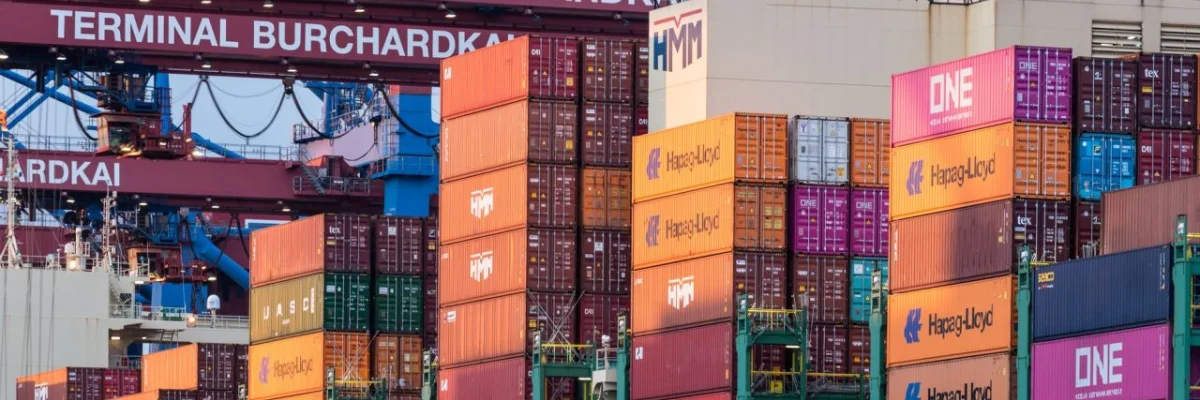
The landscape of global trade is shifting rapidly as digital transformation becomes a mandatory requirement rather than a luxury. Freight forwarders are increasingly facing pressure to optimize operations while managing complex supply chain disruptions and volatile market demands. By adopting advanced cloud-based platforms, logistics providers can effectively bridge the gap between traditional manual workflows and automated data management. This article explores how modern software integrations help businesses stay competitive in a data-driven market environment, ensuring that every shipment is tracked, optimized, and delivered with maximum efficiency and transparency for clients across the globe.
Digital Transformation Trends
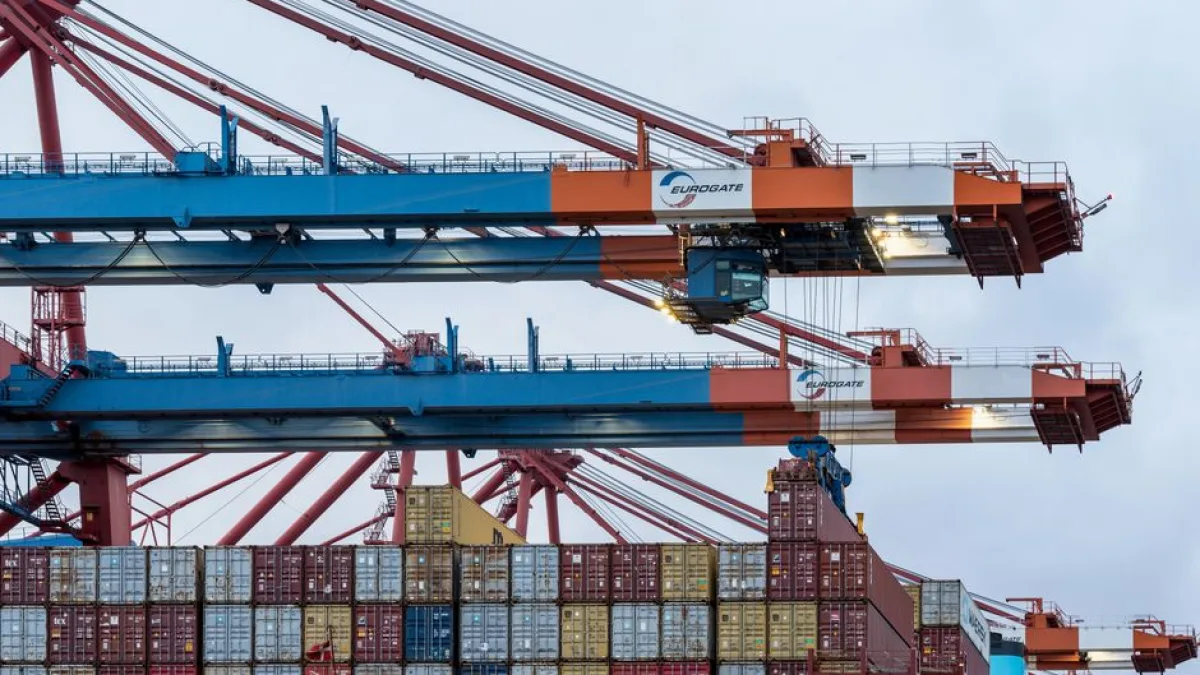
Port terminals are rapidly integrating digital solutions to handle increased cargo throughput and improve vessel turnaround times. These technological advancements enable seamless information flow between stakeholders, significantly reducing manual data entry errors while enhancing overall visibility for international logistics operations today.
- Enhanced Data Visibility: Real-time tracking capabilities allow forwarders to monitor cargo status throughout the entire supply chain journey, ensuring proactive communication with clients and reducing operational uncertainty during transit.
- Automated Documentation Processing: Intelligent software solutions convert manual paperwork into digital formats, minimizing human error and accelerating customs clearance processes for faster shipment delivery to the final destination.
- Cloud Connectivity Benefits: Centralized cloud platforms enable remote teams to access critical shipping data from any location, fostering collaboration and ensuring consistency across global logistics networks daily.
- Improved Operational Speed: By removing bottlenecks in administrative workflows, digital tools allow logistics teams to focus on strategic growth and customer service rather than repetitive clerical tasks.
As terminals modernize, the necessity for robust cloud integration becomes obvious for every forwarding enterprise. Embracing these shifts early provides a decisive advantage, allowing companies to scale operations efficiently while maintaining strict control over complex logistics requirements. By moving away from legacy systems, forwarders can reclaim lost hours and build a resilient framework that withstands the challenges of a constantly evolving global trade environment.
Streamlining Supply Chain Visibility

Real time supply chain visibility remains a top priority for businesses that demand precision and reliability. Advanced dashboards integrate multiple data sources to provide comprehensive oversight, enabling forwarders to make informed decisions based on accurate information about their shipments.
- Precise Cargo Monitoring: Integrated tracking systems provide granular updates on location and status, helping teams react quickly to potential delays before they escalate into significant customer service issues.
- Predictive Analytics Usage: Advanced software tools leverage historical data to forecast potential disruptions, allowing forwarders to reroute shipments and avoid congested ports or unfavorable weather conditions effectively.
- Customer Transparency Portals: Providing clients with a self-service portal builds trust and reduces the volume of status inquiries, freeing up time for your support team to manage.
- Risk Mitigation Strategy: Continuous monitoring ensures that potential risks are identified immediately, allowing forwarders to implement contingency plans that protect cargo and maintain delivery schedule commitments.
Visibility is no longer just an optional feature but a core component of successful logistics management. By leveraging powerful digital dashboards, freight forwarders provide superior service quality while minimizing risks associated with transport delays. Investing in these sophisticated monitoring tools ensures your organization remains at the forefront of the industry, delivering unmatched value to customers who rely on your expertise for their success.
Optimizing Warehouse Efficiency

Modern warehouse management software transforms physical storage spaces into high-performance hubs of activity. By optimizing inventory placement and streamlining order fulfillment processes, forwarders can significantly reduce handling times and increase the total number of shipments processed per day.
- Smart Inventory Placement: Algorithms calculate optimal storage locations based on demand patterns, significantly reducing travel time for warehouse staff and improving overall facility throughput speed and accuracy.
- Automated Order Fulfillment: Digital picking lists and automated workflows ensure that orders are processed quickly, reducing manual errors and ensuring that correct cargo moves efficiently for transport.
- Resource Utilization Rates: Software analytics track equipment usage and staff productivity, providing clear insights that help managers optimize labor distribution and reduce unnecessary operational costs every day.
- Inventory Accuracy Improvement: Real-time stock tracking prevents discrepancies, ensuring that freight forwarders always have a precise understanding of the cargo currently stored within their managed warehouse facilities.
Warehouse efficiency directly impacts the bottom line by reducing overhead and accelerating the total logistics cycle. By implementing software that automates complex tasks, freight forwarders can transform their storage capabilities into a competitive advantage. This strategic focus on operational excellence ensures that your warehouse remains a reliable node in the supply chain, facilitating smoother transitions from storage to active transportation modes.
Scaling Through Cloud Infrastructure

Cloud infrastructure provides the necessary scalability for freight forwarders to expand operations without massive hardware investments. As your business grows, cloud-based software grows with you, providing flexible resources that adapt to shifting volume requirements and seasonal spikes in global trade activity.
- Flexible Capacity Management: Cloud solutions allow you to adjust storage and processing power as needed, ensuring your systems perform optimally regardless of current shipment volume fluctuations or demand.
- Global Accessibility Features: With cloud-based access, team members across multiple offices can share information instantly, enabling a unified global operational strategy that maintains consistent service levels everywhere.
- Simplified Software Updates: Cloud platforms receive automatic updates, ensuring your team always uses the latest features and security patches without requiring manual installation or extensive system downtime.
- Data Security Standards: Robust cloud environments provide enterprise-level protection, ensuring that sensitive customer information and critical shipping data remain secure from unauthorized access or potential digital threats.
The ability to scale rapidly is vital in a market defined by change and unexpected growth opportunities. Cloud infrastructure gives forwarders the agility to pivot quickly and take advantage of new trade routes or service offerings. By standardizing your operations on a cloud-native platform, you ensure that your business remains resilient and ready to tackle the complexities of future international logistics.
Conclusion

Technological advancement is the primary driver of success for modern freight forwarders seeking to maintain a competitive edge. By integrating cloud-based software, improving supply chain visibility, and optimizing internal workflows, your business can achieve new levels of productivity and reliability. Start your digital transition today by exploring tools designed to simplify your logistics operations and empower your team to excel in every shipment.