Navigating the Future of Freight Forwarding Technology
Friday, October 16 2026
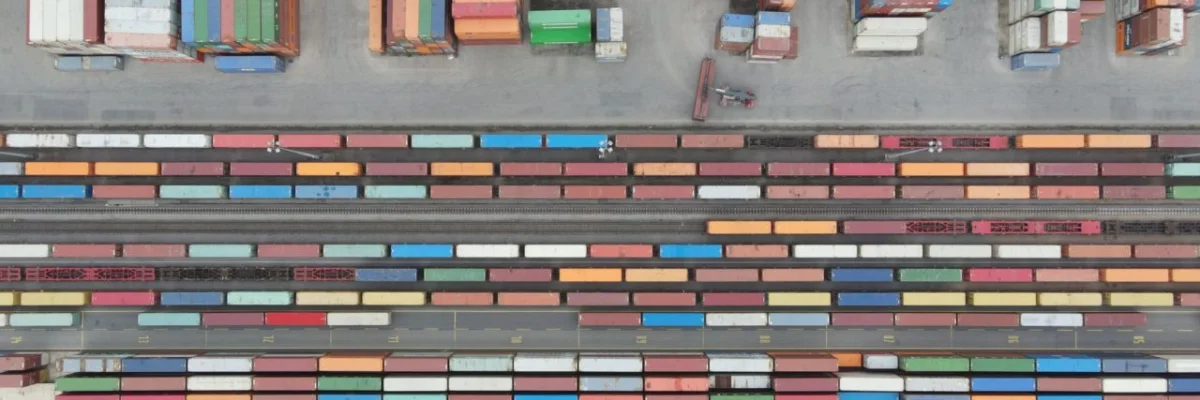
The global logistics landscape is undergoing a massive transformation driven by rapid technological adoption and changing consumer expectations. Freight forwarders are currently facing pressure to balance operational efficiency with the demand for real-time visibility and sustainable shipping practices. As legacy systems struggle to keep pace with modern digital demands, firms must pivot toward integrated cloud-based solutions to remain competitive. This transition is not merely about digitizing paperwork but about fundamentally rethinking how information flows across the supply chain. By embracing innovative software platforms, professionals can reduce manual errors and provide the transparent, seamless service that modern shippers demand in today's fast-paced international market.
Automation in Warehouse Management
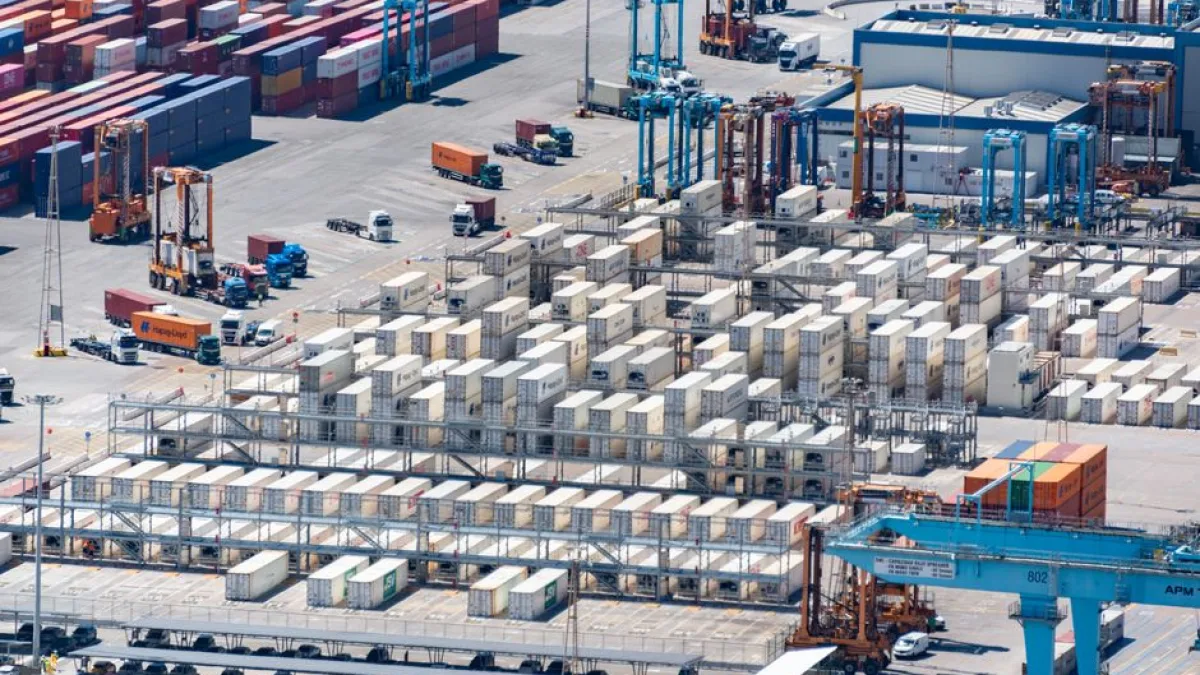
Modern warehousing operations now rely on advanced automation to speed up processing times and ensure inventory accuracy. By integrating smart software, teams can track every pallet with precision, reducing the risk of costly delays during the complex transshipment phase of logistics.
- Automated data entry: Intelligent software captures shipping documents automatically to eliminate human error while drastically reducing the time spent on repetitive manual tasks within your daily office workflows.
- Real-time inventory tracking: Systems provide instant visibility into stock levels across various facilities, allowing managers to optimize space utilization and prevent overstocking or stockout situations during peak seasons.
- Enhanced sorting accuracy: Advanced scanning technologies work with your software to ensure that every cargo item is placed correctly, minimizing misrouting and improving overall terminal handling speed.
- Optimized warehouse layout: Data-driven insights help managers organize goods based on turnover frequency, significantly reducing travel time for workers and increasing the throughput of the entire facility.
These automated solutions serve as the backbone for scalable growth in an increasingly volatile global environment. By removing bottlenecks at the warehouse level, companies gain a significant advantage in speed and reliability. Investing in these technologies today prepares your business for the high volume demands of tomorrow, ensuring that every shipment is processed with maximum efficiency and minimal overhead costs for your clients.
The Rise of Predictive Analytics

Data has become the most valuable asset in the logistics sector, helping professionals forecast potential disruptions before they impact global trade routes. Using predictive tools, forwarders can now anticipate market shifts and adjust their strategies to maintain consistent service levels.
- Demand forecasting models: Sophisticated algorithms analyze historical data to predict future shipping volumes, helping companies allocate resources effectively and avoid the common pitfalls of capacity underutilization or shortages.
- Risk mitigation strategies: Predictive tools identify potential weather or geopolitical issues early, allowing teams to reroute shipments proactively rather than reacting to delays after they have already occurred.
- Price volatility insight: Analytics engines track fuel surcharges and carrier rates, giving forwarders the ability to provide accurate quotes while protecting profit margins against sudden market price fluctuations.
- Improved route planning: Software evaluates multiple transit options based on speed, cost, and reliability data to recommend the optimal path for each individual client shipment every time.
Leveraging predictive analytics empowers forwarders to move from a reactive stance to a proactive strategy. When your team can foresee challenges, you become a trusted advisor to your customers rather than just a service provider. This transition builds long-term loyalty and enhances your professional reputation in a crowded marketplace where data quality frequently serves as the primary differentiator for success.
Seamless Supply Chain Visibility

Providing end-to-end visibility is no longer a luxury but a fundamental expectation from shippers who need constant updates. Cloud-based platforms offer a centralized hub where every stakeholder can access critical status information, ensuring total transparency throughout the cargo transit journey.
- Live tracking updates: Clients receive automated alerts regarding their shipment status, reducing the volume of inbound inquiries and allowing your staff to focus on solving complex logistical issues.
- Centralized document portal: Digital storage solutions consolidate bills of lading and customs forms in one secure location, simplifying retrieval processes for both your team and your customers.
- Carrier performance monitoring: Integrated dashboards display metrics on carrier punctuality and service quality, enabling managers to select partners who consistently meet their performance targets and transit deadlines.
- Direct client integration: API connections allow your software to communicate directly with client systems, fostering a collaborative ecosystem that automates information sharing and reduces communication-related delays globally.
Visibility serves as the bridge between freight forwarders and satisfied customers who demand constant updates on their goods. By adopting transparent communication tools, companies can effectively manage expectations and resolve minor issues before they escalate into major problems. This focus on clarity ultimately strengthens the entire supply chain and fosters deep, lasting partnerships that withstand the competitive pressures of the logistics industry.
Embracing Sustainable Logistics Solutions

Sustainability is becoming a core pillar for modern businesses aiming to reduce their carbon footprint and adhere to new global environmental standards. Freight forwarders play a critical role in this shift by optimizing transport routes to minimize emissions for every shipment.
- Route emission tracking: Advanced software tools calculate the precise carbon footprint of different transport modes, enabling clients to make eco-friendly choices based on transparent data and impact.
- Consolidated freight options: Smart planning features group smaller shipments together to maximize container capacity, which lowers the number of trips required and reduces total fuel consumption annually.
- Paperless operational workflows: Moving all documentation to a digital format eliminates the need for physical printing and mailing, significantly lowering waste across your entire logistics branch office.
- Green carrier partnerships: Platforms highlight partners who utilize alternative fuels or energy-efficient vessels, allowing your firm to curate a supply chain that aligns with modern corporate sustainability.
Commitment to sustainability is rapidly becoming a requirement for winning contracts with large, environmentally conscious international brands. By integrating green practices into your daily operations, you demonstrate leadership in the logistics sector while contributing to a healthier planet. Using MakeCargo software ensures your business remains at the forefront of this green transition, proving that efficiency and environmental responsibility go hand in hand.
Conclusion

The future of freight forwarding rests on the successful integration of automation, data analytics, and digital transparency. By investing in modern cloud-based software, forwarders can overcome current operational challenges and build a foundation for sustainable growth. Now is the perfect time to evaluate your existing workflows and embrace the technology that will define the next decade of success in the global logistics industry.