Navigating the Future of Freight Forwarding Technology
Saturday, October 17 2026
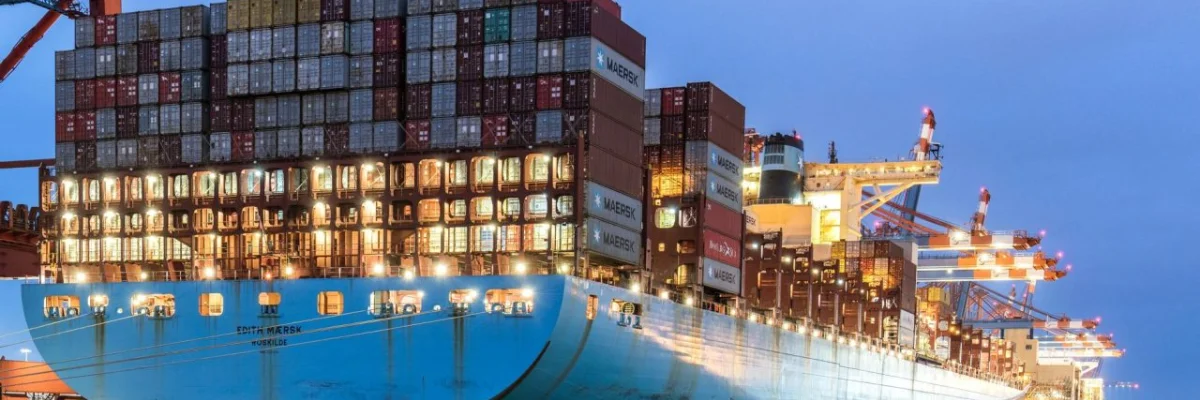
The global logistics landscape is undergoing a massive transformation driven by rapid technological integration and shifting trade demands. As freight forwarders face increasing pressure to provide real-time visibility and operational agility, the adoption of cloud-based platforms has become a necessity rather than an optional upgrade. Companies that fail to modernize their digital infrastructure risk falling behind competitors who leverage automation to optimize every stage of the supply chain. This article explores the critical trends defining the current industry climate and provides insights into how modern software tools like MakeCargo can help forwarders achieve sustainable growth in a complex market environment.
Embracing Cloud Integration
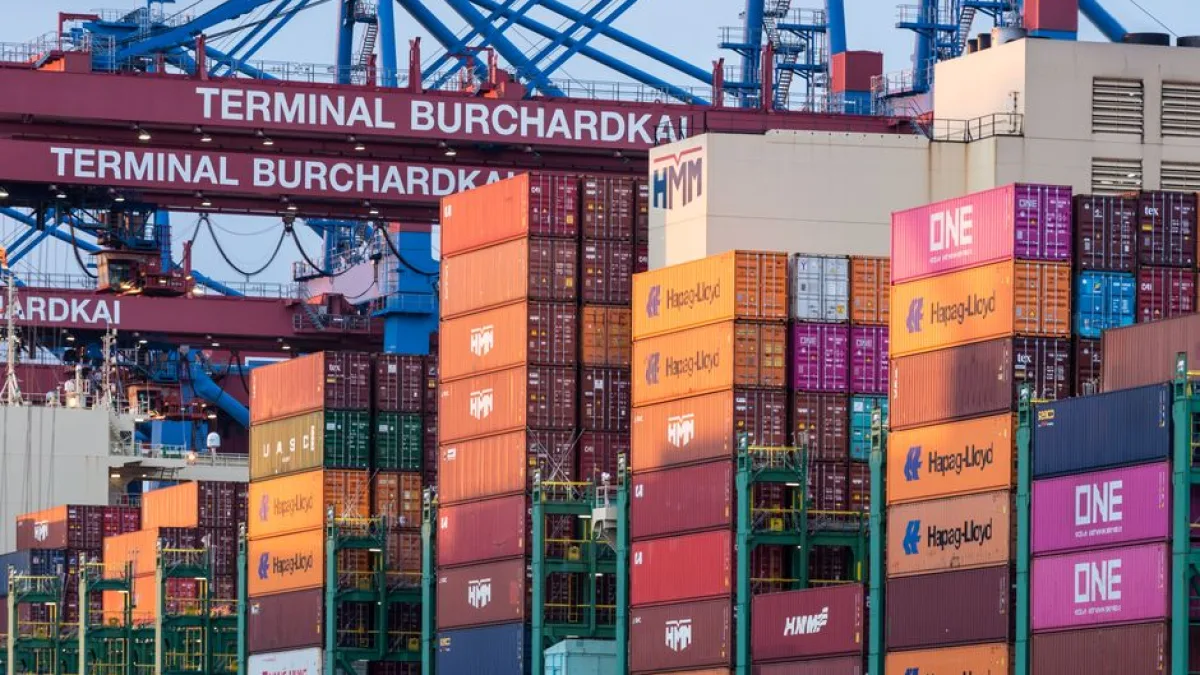
Digital transformation starts with moving legacy systems to the cloud, allowing teams to access critical shipment data from anywhere in the world. By breaking down internal silos, freight forwarders create a more cohesive and responsive workflow for their global clients.
- Seamless data access: Moving operations to a cloud environment ensures that staff members can retrieve shipment details instantly regardless of their physical location or the device they are using.
- Improved system security: Cloud providers offer advanced encryption and automated backup protocols that protect your sensitive logistics data from cyber threats while ensuring constant business continuity during outages.
- Scalable infrastructure growth: Software platforms allow your business to scale resources up or down based on current shipment volumes without the need for expensive hardware or server maintenance.
- Unified communication channels: Integration tools connect different stakeholders across the supply chain, ensuring that every party stays informed with real-time updates and notifications regarding cargo status and documentation.
Transitioning to cloud-native platforms enables forwarders to reduce their overhead costs significantly while increasing service quality. When manual data entry is minimized through automation, team members can focus on managing complex exceptions rather than repetitive administrative tasks. This efficiency shift is crucial for businesses aiming to expand their client base without proportionally increasing their internal workforce, providing a solid foundation for long-term scalability and financial health.
Leveraging Automated Documentation

Manual document handling is often the biggest bottleneck in freight forwarding, causing delays and costly errors in customs clearance processes. Automated documentation systems ensure accuracy and speed, turning a tedious administrative task into a competitive advantage for your logistics company.
- Automated error detection: Intelligent software scans every document for inconsistencies or missing data points, preventing customs rejections before they occur and keeping shipments moving through global checkpoints smoothly.
- Standardized electronic forms: Digital templates ensure that all paperwork meets international trade requirements while saving hours of manual formatting time for your operations team each single week.
- Instant document sharing: Secure portals allow you to distribute bills of lading and invoices to clients or partners immediately upon creation without the risk of manual email errors.
- Centralized document storage: Keeping all relevant shipment files in one secure location simplifies auditing processes and makes information retrieval fast when dealing with high-volume customer inquiries regularly.
Streamlining document management is essential for maintaining compliance with rapidly changing international trade regulations. By utilizing automated tools, freight forwarders can virtually eliminate the risk of human error during the shipping process. This leads to faster transit times and happier customers who receive their cargo without the frustration of customs delays, ultimately building a reputation for reliability in a very crowded market.
Enhancing Real-time Visibility
Clients expect granular visibility into their shipments at all times, making real-time tracking an essential feature for modern forwarders. Providing this transparency increases trust and allows businesses to manage expectations effectively when unexpected disruptions occur during the long transit process.
- Live tracking updates: Integrating API feeds from carriers provides your dashboard with constant status reports, so you always know the exact location of every piece of cargo.
- Proactive exception alerts: Intelligent systems notify you immediately if a shipment faces delays due to weather or port congestion, allowing you to inform customers before they ask.
- Transparent client dashboards: Providing customers with direct portal access reduces the volume of status inquiries your support team receives throughout the busy work week and build loyalty.
- Data driven carrier selection: Analyzing performance metrics from historical tracking data helps you choose the most reliable carriers for specific trade routes and reduces future transit risk.
Providing exceptional visibility is no longer just a luxury but a fundamental requirement in the current freight market. When clients have the power to monitor their own goods through a dedicated portal, they feel more confident in your services. This transparency minimizes anxiety during the shipping process and encourages repeat business, proving that modern technology is a vital component of client relationship management.
Building Sustainable Logistics

Sustainability is becoming a core pillar for shippers choosing their logistics partners, pushing forwarders to optimize their routes and carbon output. Efficient software helps you measure environmental impacts and select greener options that align with your company goals and client mandates.
- Route optimization tools: Advanced algorithms calculate the most fuel efficient paths for your shipments, helping to lower total transportation costs while reducing the overall carbon footprint per journey.
- Carbon emission reporting: Generating accurate reports regarding the environmental impact of specific shipments provides valuable data that your clients need for their own annual sustainability compliance audits.
- Consolidation efficiency gains: Smart software identifies opportunities to combine less than container load shipments into full loads, which drastically cuts down on the energy used during transport.
- Electronic workflow adoption: Moving toward paperless operations reduces physical waste and helps your firm contribute to global conservation efforts while simultaneously improving your overall operational efficiency and speed.
Adopting sustainable practices is a strategic move that benefits both the planet and your bottom line. As regulations around environmental impact tighten, freight forwarders must be prepared to prove their carbon reduction efforts with hard data. Using software that tracks these metrics makes it easy to demonstrate your commitment to a greener supply chain, attracting modern shippers who prioritize environmental responsibility in their partners.
Conclusion

The freight forwarding industry is at a crossroads where technology dictates success. By embracing cloud infrastructure, automated documentation, real-time visibility, and sustainability, your company can navigate the complexities of modern global trade with confidence. Implementing the right software tools is the most effective way to secure your competitive edge. Reach out to the MakeCargo team today to start building your digital future together.