Navigating the Future of Freight Forwarding Technology
Sunday, October 25 2026

The global logistics landscape is undergoing a massive transformation driven by rapid digitization and shifting trade patterns. As freight forwarders face increasing pressure to provide transparency, agility, and speed, the adoption of cloud-based platforms has become a fundamental necessity rather than a competitive advantage. This evolution requires professionals to reconsider traditional operational workflows and embrace integrated digital solutions. By leveraging advanced data analytics and real-time connectivity, forwarders can mitigate systemic risks and improve overall profitability. Staying ahead in this competitive market requires a commitment to technological maturity and an unwavering focus on delivering seamless service to global shipping partners and end customers.
Optimizing Global Supply Chains
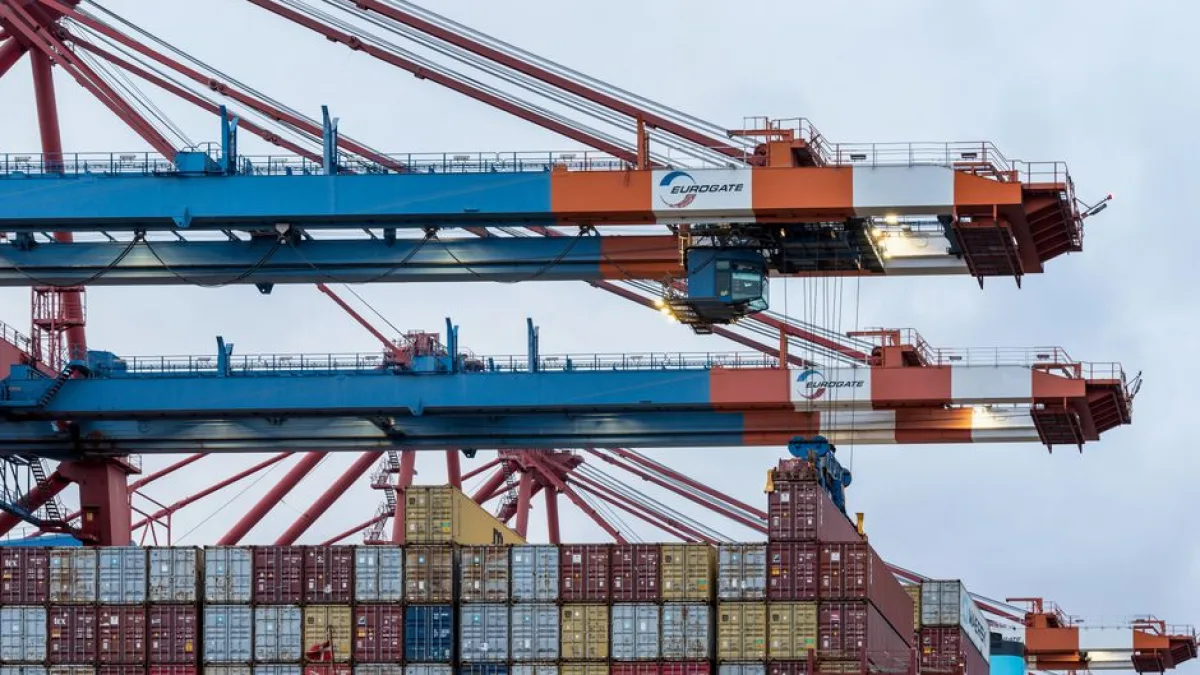
Modern ports are increasingly relying on automated systems to manage the surge in global trade volume. By integrating advanced technology, freight forwarders can effectively track complex shipments while reducing manual errors that traditionally plague the international logistics sector on a daily basis.
- Automated Data Processing: Advanced algorithms now automate complex documentation tasks, significantly reducing the administrative burden on your team while ensuring that every shipment remains compliant with international trade regulations.
- Real-time Tracking Visibility: Cloud platforms offer instant updates on cargo status, allowing your logistics professionals to provide clients with accurate information and proactive solutions during unexpected transit delays.
- Enhanced Operational Speed: By streamlining communication between carriers and warehouse facilities, your firm can accelerate the movement of goods and decrease lead times for your most critical customers.
- Resource Optimization Strategies: Sophisticated software tools allow managers to allocate assets more efficiently, ensuring that container space and transportation routes are maximized to reduce overall operational expenditures today.
Adopting digital optimization strategies is essential for forwarders who want to maintain their relevance in a fast-paced environment. By focusing on data-driven decision making, companies can transform their supply chain performance and deliver superior value. The shift towards automated workflows is not just about keeping pace with modern industry standards, but about building a foundation for sustainable long-term growth and success in shipping.
Leveraging Cloud Computing Solutions
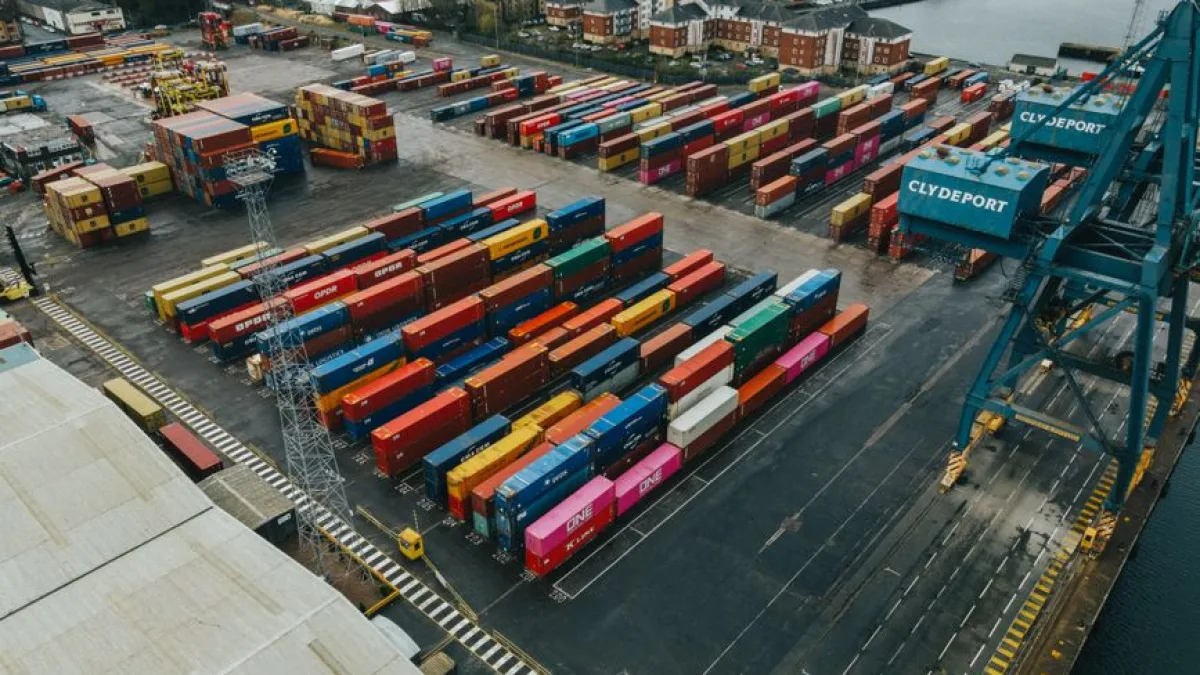
Cloud infrastructure provides a robust backbone for modern freight operations by connecting remote teams and dispersed partners. This unified environment ensures that stakeholders have secure access to live shipment data from any location across the entire world.
- Secure Data Centralization: Hosting sensitive logistics data on the cloud protects your information from localized system failures while providing authorized staff with instant access to critical records.
- Seamless Team Collaboration: Real-time cloud connectivity allows your global offices to work together on a single platform, eliminating siloed information and improving internal communication across your firm.
- Scalable Software Infrastructure: Cloud-based systems are designed to grow with your business, allowing you to add new users and features without the need for expensive hardware.
- Flexible Access Points: Employees can manage shipments from any device with an internet connection, which increases staff mobility and ensures that cargo monitoring continues throughout the day.
Cloud computing has revolutionized the way we approach international shipping and logistics management. By moving away from legacy software, forwarders gain the flexibility needed to navigate unpredictable market conditions. This transition enables companies to focus on customer service rather than IT maintenance. Investing in cloud-native platforms is a strategic decision that empowers your workforce to be more productive and responsive to market demands.
Improving Customer Communication Loops

Customer expectations for transparency have reached an all-time high in the current logistics market. Freight forwarders must prioritize clear communication and provide clients with a self-service experience to maintain high satisfaction levels and secure long-term repeat business relationships.
- Proactive Shipment Alerts: Automated notification systems keep your customers informed about their cargo progress, which reduces the need for manual status inquiries and improves the professional user experience.
- Centralized Client Portals: Providing a dedicated portal allows your customers to view documents and track shipments independently, which saves your support team time and creates transparency.
- Personalized Service Delivery: Analyzing historical client data helps your team offer customized shipping solutions that meet specific requirements, thereby increasing trust and loyalty among your key accounts.
- Instant Feedback Mechanisms: Integrating digital surveys or feedback forms helps you understand customer needs better, allowing for continuous service improvement and agile responses to changing client requests.
Effective communication is the cornerstone of a successful freight forwarding operation. By utilizing digital tools to bridge the gap between service providers and clients, companies can build lasting partnerships based on trust. Modern platforms make it easy to maintain high service standards while handling complex shipping demands. Embracing these technologies will distinguish your agency as a leader in customer-centric logistics management strategies.
Securing Future Logistics Growth

Sustainable growth requires a blend of technological investment and strategic foresight. Freight forwarders who prioritize digital transformation today will be best positioned to capitalize on emerging opportunities and navigate the inevitable disruptions within the complex global transportation sector.
- Advanced Predictive Analytics: Utilizing historic shipment data helps predict future capacity needs and seasonal trends, allowing your business to plan routes more effectively and mitigate potential bottlenecks.
- Strategic Market Expansion: Digital tools provide the insights needed to enter new geographical markets with confidence, reducing the risks associated with international trade and regulatory variations.
- Enhanced Risk Mitigation: Modern software identifies potential supply chain vulnerabilities early, enabling your team to implement contingency plans before minor issues develop into major operational failures daily.
- Sustainable Practice Integration: Implementing eco-friendly logistics strategies through optimized routing reduces your carbon footprint and aligns your business operations with increasing global environmental standards and regulations.
The future of the freight forwarding industry belongs to those who embrace innovation with purpose. By focusing on scalability, security, and sustainable operational practices, forwarders can navigate the complexities of international trade effectively. Continuous improvement of your digital toolkit is the best way to ensure that your logistics business remains competitive. Focus on evolving your internal systems to meet the challenges of tomorrow.
Conclusion
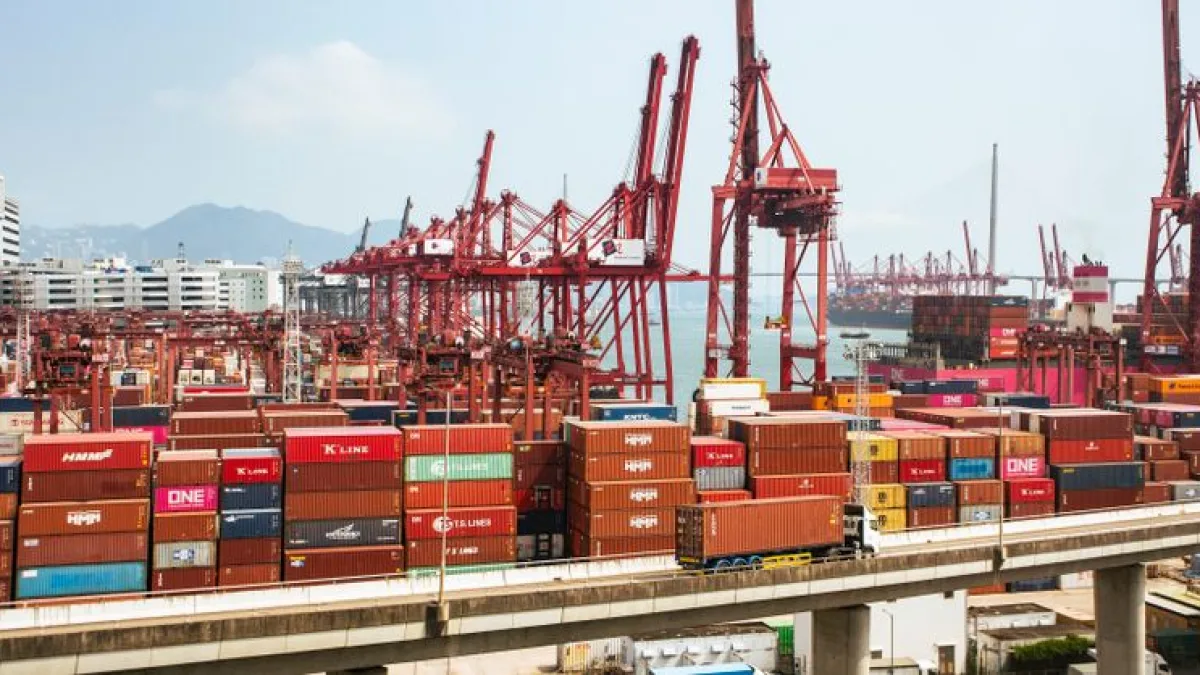
Advancements in software are fundamentally reshaping how freight forwarders handle global trade operations and customer expectations. By integrating cloud-based platforms, teams can achieve unprecedented levels of efficiency, transparency, and growth. This digital evolution is no longer optional for firms aiming to succeed in a crowded market. Evaluate your current systems today to ensure your company is ready for the future of international logistics.