Navigating the Future: Trends Reshaping Global Freight Forwarding
Tuesday, July 28 2026
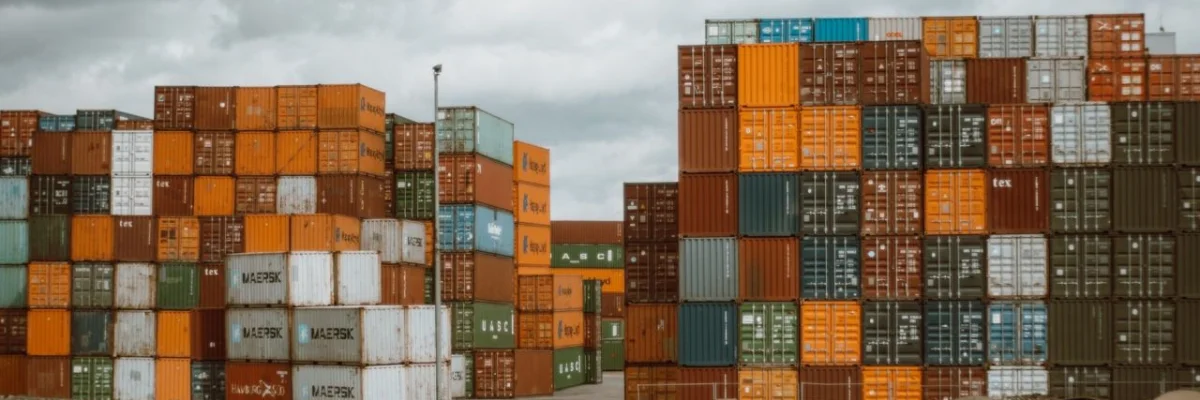
The global logistics landscape is undergoing a profound transformation driven by rapid technological advancements and evolving international trade regulations. For freight forwarders, staying ahead of these shifts is no longer a luxury but a necessity for survival in a competitive market. From the integration of artificial intelligence to the increased pressure for supply chain transparency, professionals must adapt their operations to meet rising client expectations. By leveraging modern digital tools and strategic insights, forwarders can optimize their workflows, minimize operational bottlenecks, and ultimately deliver superior service in an increasingly complex and interconnected global economy that demands precision, speed, and real-time visibility at every single stage.
The Rise of Intelligent Automation

Automation is revolutionizing how logistics providers manage high volumes of documentation and manual processes. By implementing smart software solutions, firms can automate repetitive tasks, allowing teams to focus on strategic client relations rather than getting buried under endless stacks of paperwork.
- Enhanced data accuracy: Automated systems significantly reduce the risk of human error during manual data entry processes, ensuring that shipping documents remain compliant and free from costly administrative discrepancies.
- Faster document processing: Digital platforms expedite the handling of bills of lading and commercial invoices, allowing for quicker turnaround times during the critical document verification and customs clearance phases.
- Optimized resource allocation: With mundane tasks handled by intelligent software, staff members can direct their energy toward resolving complex logistics challenges and providing high-touch personalized customer service experiences.
- Scalable operational capacity: Integrated systems allow freight forwarding businesses to handle increased shipment volumes without a proportional increase in headcount, supporting sustainable growth and better long-term profit margins.
Adopting automation is essential for forwarders who want to scale their operations without compromising on quality or efficiency. As the industry moves toward a paperless future, those who embrace these digital tools will find themselves well-positioned to outperform competitors. Automation reduces overhead costs while simultaneously improving the overall speed of service, which is a major value proposition for modern global shippers today.
Achieving True Supply Chain Visibility
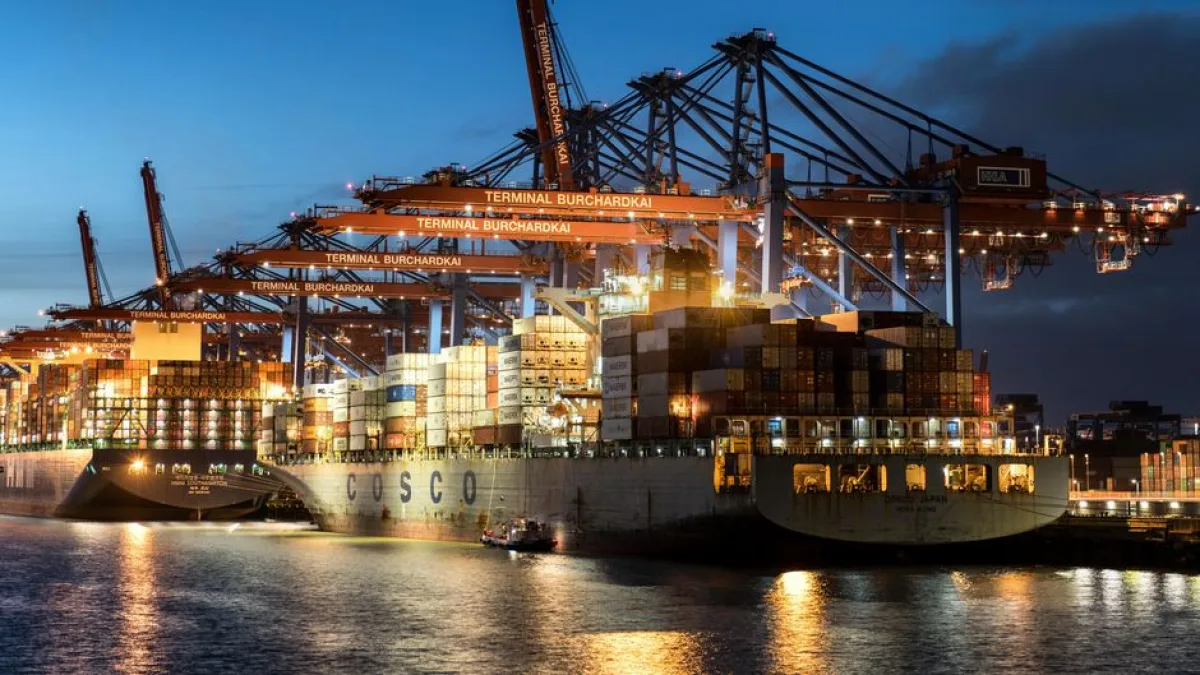
Clients today demand absolute transparency, wanting to know the precise location of their cargo at any given moment. Providing real-time updates and proactive notifications has become a baseline requirement for maintaining long-term partnerships and fostering trust with global importers.
- Real-time shipment tracking: Advanced software platforms provide live GPS updates, giving clients the ability to monitor their freight across multiple transport modes with complete accuracy and total transparency.
- Proactive disruption alerts: Intelligent monitoring tools notify forwarders of potential delays caused by weather or port congestion, allowing for quick adjustments that keep the supply chain moving smoothly.
- Centralized communication hubs: Bringing all stakeholders into one unified dashboard eliminates silos, ensuring that everyone involved in the transport process has access to the same current information.
- Improved partner coordination: Connected ecosystems make it easier to share data with carriers and customs agents, reducing friction and enhancing the overall flow of goods through terminals.
Visibility is the foundation of modern logistics management. By offering clients a window into their own supply chains, freight forwarders transform from simple service providers into indispensable strategic partners. Utilizing a robust cloud-based platform ensures that every shipment is accounted for, enabling proactive decision-making. This level of clarity helps mitigate risks and keeps clients informed throughout the entire complex international journey.
Embracing Sustainable Logistics Solutions
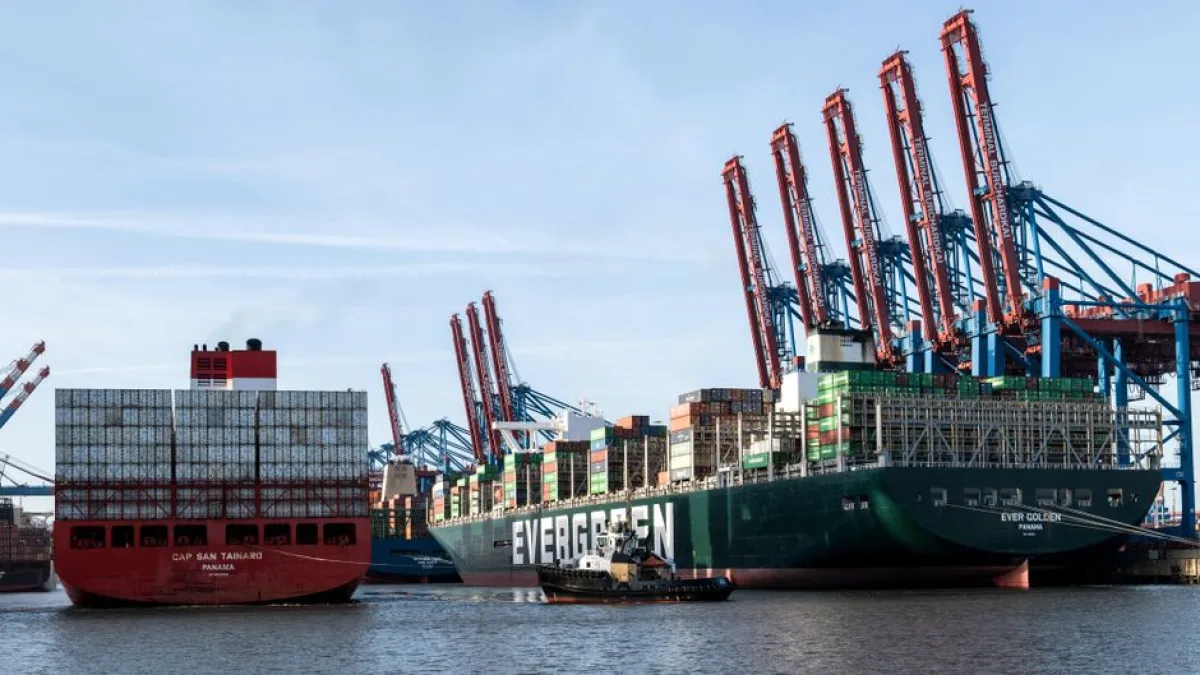
Sustainability is no longer a corporate buzzword but a core requirement for forwarders looking to align with global environmental mandates. Shippers are increasingly selecting partners based on their ability to offer carbon-efficient transport options and transparent reporting for their ESG goals.
- Carbon footprint reporting: Specialized software allows forwarders to calculate and report emissions data for every shipment, helping clients monitor and reduce their overall environmental impact across operations.
- Optimized route planning: Strategic routing software minimizes travel distances and fuel consumption, providing a greener alternative that lowers transportation costs while reducing the total carbon emissions produced.
- Sustainable carrier selection: Access to data regarding carrier performance helps forwarders choose partners that prioritize fuel efficiency and use modern fleets to decrease the overall environmental impact.
- Green logistics consulting: Providing actionable insights into sustainable shipping practices helps forwarders add value by guiding clients toward eco-friendly transport methods that fit their unique business needs.
Forwarders who prioritize sustainability will likely gain a competitive advantage as international regulations tighten. By integrating carbon tracking and route optimization into daily operations, companies can meet both financial and environmental objectives simultaneously. This shift toward greener practices not only benefits the planet but also strengthens the brand reputation of the freight forwarder in an increasingly eco-conscious global trade marketplace.
Strengthening Data Security Protocols

With the rise of digital freight platforms, the volume of sensitive data shared online has skyrocketed. Protecting this information from cyber threats is critical, as breaches can lead to massive financial losses and a permanent loss of client trust for forwarders.
- Robust cloud encryption: Utilizing advanced encryption standards ensures that sensitive client information remains protected during transmission and storage, mitigating the risk of unauthorized access or data theft.
- Multi-factor authentication systems: Implementing strict login protocols adds a necessary layer of security, verifying the identity of all users before they can access critical logistics data and systems.
- Regular security audits: Conducting routine checks of software infrastructure helps identify potential vulnerabilities before they can be exploited by malicious actors, ensuring a safe and secure digital environment.
- Compliance with standards: Adhering to international data protection regulations helps forwarders build credibility and ensures they meet the high security expectations required by large-scale global shipping enterprises.
Securing digital infrastructure is a continuous process that requires vigilance and investment. As freight forwarders rely more on cloud-based systems, building a culture of cybersecurity becomes paramount for long-term success. Protecting data integrity preserves the trust of clients and shields companies from devastating incidents. A secure digital foundation is the bedrock of modern operations, enabling innovation while keeping business assets completely safe.
Conclusion

Staying competitive in the modern freight industry requires a commitment to digital transformation, transparency, and high security standards. By embracing automation, providing real-time visibility, prioritizing sustainable practices, and safeguarding data, freight forwarders can effectively navigate the complexities of global trade. These strategic investments position logistics businesses for long-term growth and success while delivering exceptional value to clients in an increasingly fast-paced digital world.