Navigating the Future: Trends Reshaping Global Freight Forwarding
Thursday, October 1 2026
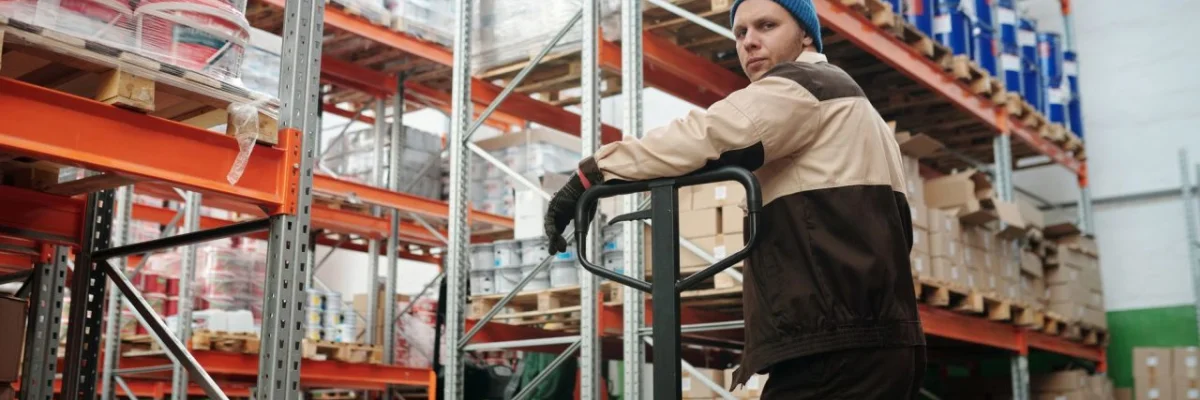
The global logistics landscape is undergoing a profound transformation driven by rapid technological integration and shifting geopolitical demands. Freight forwarders today face unprecedented challenges ranging from volatile capacity constraints to the urgent requirement for end-to-end supply chain visibility. As traditional manual processes become obsolete, professionals must embrace digital solutions to maintain competitive advantages. This shift necessitates a deep understanding of data-driven decision-making and agile operational frameworks. By leveraging cloud-based platforms, forwarders can enhance collaboration, minimize costly delays, and deliver superior service in an increasingly complex international shipping environment that demands precision, speed, and proactive transparency at every stage.
The Rise of Digital Logistics

Digital transformation remains the most critical driver of operational efficiency for modern forwarders. Moving away from legacy systems enables teams to centralize data, automate repetitive tasks, and provide clients with real-time updates that were previously impossible to achieve during standard transit procedures.
- Automated documentation workflows: Implementing automated document management systems significantly reduces human error rates and accelerates processing times by streamlining complex customs entries and bill of lading generation for busy logistics teams.
- Real-time cargo tracking: Providing live visibility through cloud dashboards allows shippers to monitor their containers across ocean or air routes, effectively reducing customer anxiety and improving overall service satisfaction levels.
- Integrated communication portals: Utilizing centralized portals fosters better collaboration between agents, carriers, and clients by consolidating all project-related messaging and file sharing within one secure, accessible digital environment.
- Data-driven operational insights: Analytics tools help firms identify bottlenecks within their current supply chain configurations, allowing managers to optimize routes and select the most reliable carriers for future shipments.
Adopting these sophisticated digital tools is no longer optional for firms aiming to scale their operations globally. By investing in modern software architecture, forwarders create a robust foundation that supports rapid growth and adaptability. This technological shift empowers teams to focus on complex problem-solving rather than administrative data entry, ultimately leading to higher profit margins and stronger relationships with clients who demand reliability.
Sustainable Supply Chain Practices
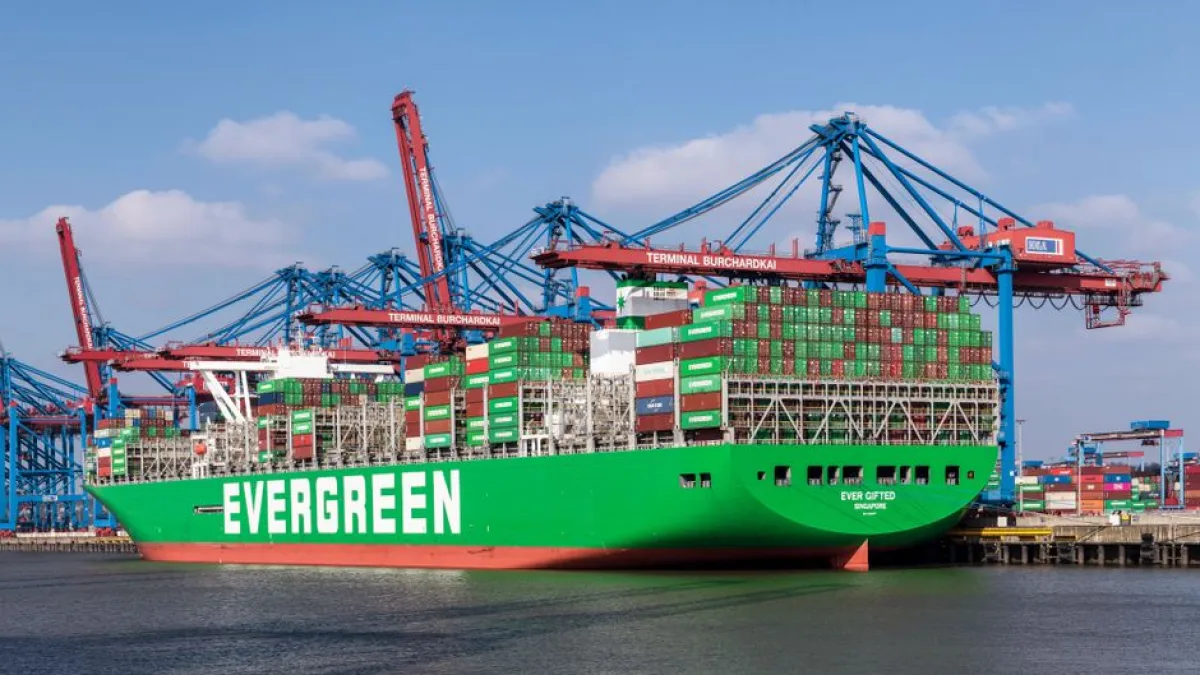
Sustainability has shifted from a corporate social responsibility talking point to a core business requirement. As international regulations tighten, freight forwarders must actively seek ways to reduce their carbon footprint while helping clients achieve their own environmental and social governance goals.
- Route optimization efficiency: Utilizing advanced algorithms to calculate the most fuel-efficient transit paths significantly lowers overall carbon emissions while reducing total operational costs for shipping companies and their clients.
- Carbon reporting capabilities: Providing clients with detailed carbon footprint reports for every shipment ensures transparency and helps businesses meet their sustainability targets in a competitive global trade market environment.
- Multi-modal transport solutions: Shifting cargo from air to sea or rail options whenever feasible allows forwarders to drastically decrease the environmental impact of large scale international logistics operations.
- Sustainable partner selection: Developing networks of ocean and air carriers that prioritize green technologies ensures that the entire supply chain remains aligned with global environmental standards and regulations.
Forwarders who prioritize sustainable logistics are gaining a distinct edge in today's market. Many major importers now require proof of green practices before signing long-term service contracts. By positioning your firm as an environmentally conscious partner, you open doors to high-value clients and future-proof your business against upcoming environmental legislation that will inevitably reshape the entire shipping industry across all international trade lanes.
Navigating Global Trade Volatility
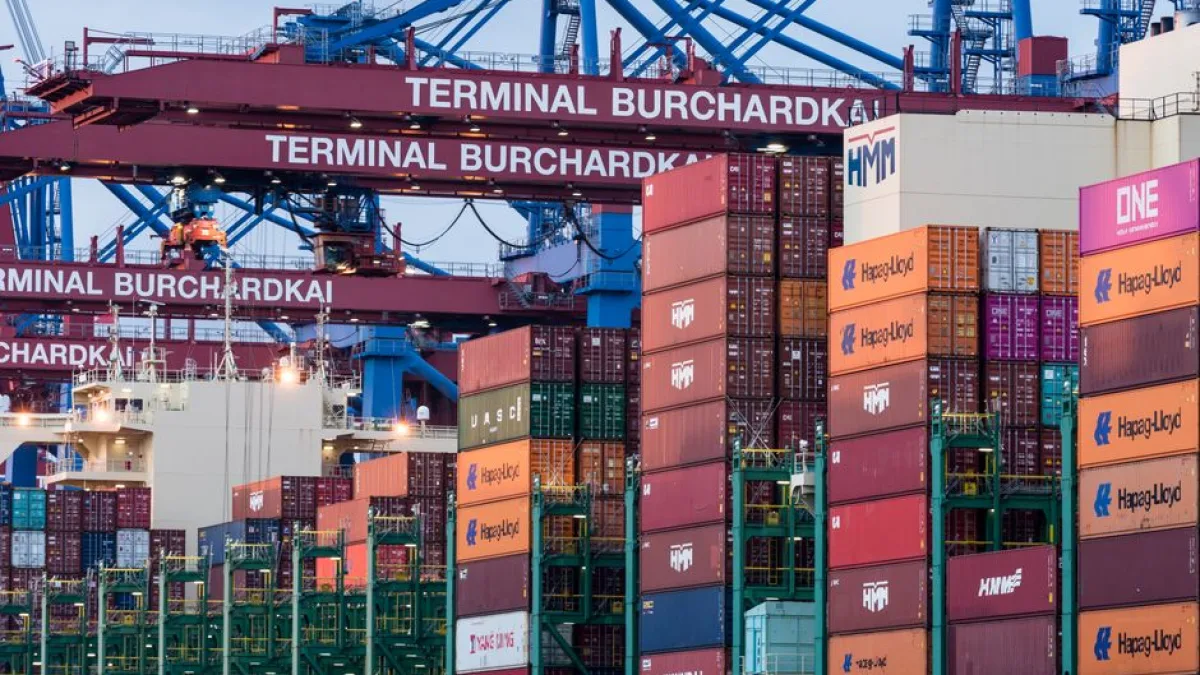
Trade volatility remains a constant factor that requires high levels of flexibility and strategic planning from forwarders. Whether dealing with geopolitical shifts or unexpected infrastructure disruptions, your ability to provide stable alternatives is exactly what makes your service indispensable to your client base.
- Proactive risk management: Developing comprehensive contingency plans for potential port closures or route disruptions ensures that your clients cargo remains moving even during periods of extreme global uncertainty.
- Diverse carrier networks: Maintaining relationships with a wide variety of secondary carriers provides necessary backup options when primary shipping routes become congested or physically inaccessible for long periods.
- Dynamic pricing strategies: Implementing systems that allow for fast rate adjustments helps forwarders handle fluctuating market prices without sacrificing profitability during periods of high demand or sudden capacity crunches.
- Regulatory compliance monitoring: Staying ahead of changing international trade laws through automated alerts prevents costly shipping delays and ensures that all cargo adheres to local customs requirements everywhere.
Success in volatile times relies on the strength of your professional network and your capacity to act decisively. When disruptions occur, proactive communication combined with ready-made alternatives serves to maintain client trust. Forwarders who successfully manage these high-stress situations often become long-term partners, as clients recognize the immense value of having a logistics expert capable of navigating the most difficult international trade scenarios.
Human Capital and Tech Synergy

The human element remains at the heart of logistics, even as technology becomes more prevalent. Successful forwarders are those who effectively combine the expertise of their staff with the power of modern software to drive innovation and exceptional customer outcomes daily.
- Ongoing staff training: Regularly updating your team on the latest software features and industry best practices ensures that everyone performs at their peak capacity while maintaining high service.
- Customer-centric problem solving: Encouraging staff to use data insights to solve specific client challenges adds a human layer of expertise that software alone cannot provide for customers.
- Cultural shift toward agility: Fostering a workplace environment that embraces change allows your company to adapt quickly to new technologies and processes without experiencing internal operational resistance.
- Talent retention programs: Investing in the professional development of your logistics staff reduces turnover and keeps critical industry knowledge within your organization for the long-term future.
Building a culture of tech-enabled professionals creates a significant competitive advantage. Technology performs the heavy lifting of data processing, which frees up your employees to focus on relationship building and nuanced logistics management. This synergy between expert human insight and automated software efficiency is the hallmark of top-tier forwarding companies that continue to thrive regardless of broader economic or global market shifts.
Conclusion

The future of freight forwarding rests on the successful integration of digital agility, sustainable practices, and strategic resilience. By embracing these essential trends, forwarders can provide superior value to their clients and secure a prosperous position in the global market. Start your transformation today by evaluating your current software capabilities and identifying areas where new technology can drive growth for your business operations.