Navigating Global Customs and Trade Compliance for Freight Forwarders
Saturday, October 24 2026
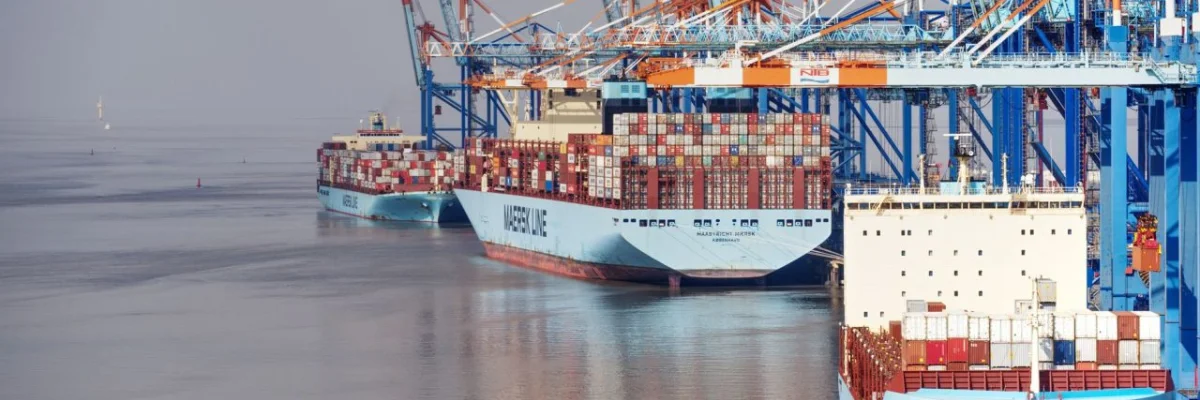
Global trade relies on the seamless movement of goods across international borders, a process heavily dependent on accurate customs documentation and regulatory adherence. For freight forwarders, the complexity of shifting trade policies and local import requirements creates a significant burden that can lead to costly delays or heavy penalties if managed incorrectly. By leveraging modern cloud software, professionals can automate complex declarations and ensure that compliance is embedded into their daily operational workflows. Mastering these protocols is essential for protecting client shipments while simultaneously building a reputation for reliability, speed, and total operational transparency in a highly competitive logistics market.
Mastering Import Declaration Accuracy

Precise data entry serves as the foundation for successful customs clearance, ensuring that every shipment meets the specific standards of destination countries. Even minor discrepancies in tariff codes or shipment values can trigger automated audits and hold goods in port for days.
- Precise Classification Codes: Utilizing accurate Harmonized System codes is critical for avoiding incorrect duty payments and preventing potential legal scrutiny from customs authorities during the inspection and audit phase.
- Digital Data Integration: Modern software platforms allow forwarders to pull shipment details directly from bookings, which minimizes human error and significantly speeds up the declaration filing process daily.
- Automated Validation Rules: Built-in validation checks automatically flag missing information or inconsistent documentation, ensuring that every entry remains compliant with current international trade regulations and local requirements.
- Real Time Updates: Staying informed about changing tax rates or tariff updates is easier when using integrated systems that provide instant notifications regarding any new trade adjustments.
- Standardised Document Sets: Consistently using standardised digital templates ensures that every commercial invoice and packing list meets the exact regulatory requirements needed for rapid customs clearance.
Accuracy requires a proactive approach where technology handles the heavy lifting of verification tasks. By automating the validation process, forwarders can confidently submit declarations without fearing unexpected feedback from local agents. This systematic precision not only secures the cargo path but also reduces the operational stress typically associated with manual documentation tasks, allowing your team to focus on growing your core business.
Managing Trade Compliance Software Tools

Effective compliance management necessitates the use of robust digital tools designed to track regulatory changes and maintain historical records. Forwarders must adopt centralized platforms that offer full visibility into every stage of the shipment lifecycle to stay ahead of inspectors.
- Cloud Based Accessibility: Storing all essential compliance documents in the cloud ensures that your team can access critical files from any location to resolve clearance issues quickly.
- Automated Audit Trails: Maintaining a detailed history of every communication and submission provides a transparent record that is vital for demonstrating compliance during official governmental audits.
- Centralized Documentation Storage: Having a single repository for all trade documents eliminates the risk of losing important files, which saves time during inspections and improves client trust.
- Regulatory Change Alerts: Advanced software platforms provide automatic alerts whenever trade regulations change, ensuring that your company always applies the most recent rules to every single shipment.
- Integrated Workflow Management: Linking compliance tasks directly to shipment tracking allows managers to see exactly where bottlenecks occur and take immediate action to clear those specific hurdles.
Adopting the right software is a long-term investment in operational stability and efficiency. By centralizing your compliance data, you remove the guesswork from international logistics and create a unified workflow for your entire staff. These tools effectively transform complex regulatory requirements into manageable digital tasks, which ultimately leads to fewer disruptions and provides a clear advantage over competitors using outdated manual processes.
Reducing Risks Through Proactive Auditing

Regular internal audits are essential for identifying gaps in your compliance strategy before they become major problems. By systematically reviewing your past declarations and shipment documentation, you can catch errors and improve your processes to ensure consistent performance over time.
- Frequent Self Assessment: Conducting periodic internal reviews of your customs submissions helps to reveal recurring errors that might otherwise lead to fines from local port authorities eventually.
- Risk Identification Strategies: Developing a structured approach to identifying high risk shipments ensures that your team places extra focus on documentation that might trigger customs scrutiny.
- Documentation Quality Control: Implementing a mandatory review process for all outgoing documents ensures that every file meets the high standards required for international trade and clearance.
- Staff Training Programs: Regularly updating your team on current trade compliance standards ensures that everyone stays aligned with the latest regulatory changes and best practice procedures.
- Corrective Action Planning: Establishing a clear process for fixing identified gaps prevents future mistakes and strengthens your overall commitment to excellence in every single freight movement.
Continuous improvement is the hallmark of a successful freight forwarding business that prioritizes long term growth. Proactive auditing does more than just prevent fines; it fosters a culture of excellence within your organization. When you treat compliance as an ongoing process rather than a one time event, you gain the agility to adapt to market changes while maintaining trust with your clients.
Building Strong Relationships with Authorities
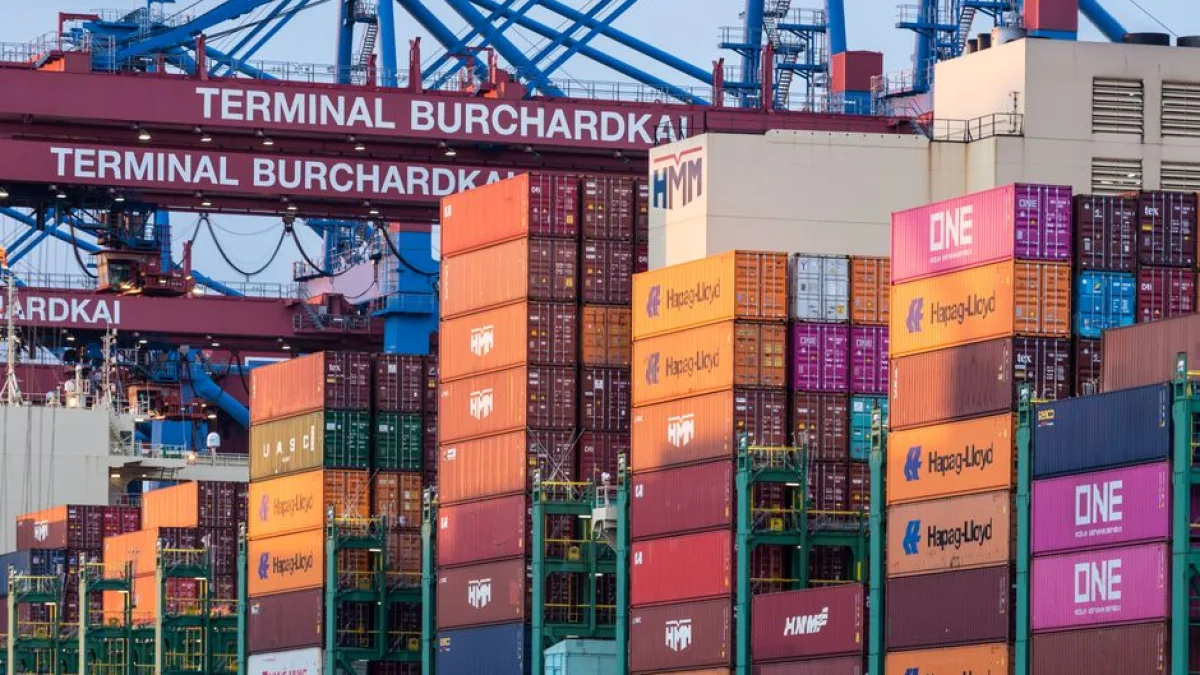
Cultivating open communication with customs authorities and local agents can significantly smooth the clearance process. By acting as a transparent partner in the supply chain, freight forwarders can build credibility and ensure that shipments move across borders with minimal interference or delay.
- Transparent Information Sharing: Being open and honest with local customs officials about shipment contents helps to establish a reputation for integrity that benefits your business long term.
- Proactive Problem Solving: Addressing potential documentation issues before they reach a customs officer demonstrates professionalism and helps to prevent unnecessary delays at the border checkpoints daily.
- Networking With Experts: Building relationships with experienced local customs brokers provides you with valuable insights into regional rules and specific port procedures that are not documented.
- Compliance Culture Promotion: Demonstrating a company wide commitment to legal trade standards makes authorities more likely to process your shipments with confidence and minimal extra scrutiny.
- Collaborative Clearance Workflows: Coordinating directly with customs agents through digital portals streamlines the communication process and reduces the time needed for approvals and final document verification.
Success in international logistics is often determined by the strength of your professional network and your reputation for regulatory honesty. By prioritizing clear communication and consistent compliance, you make your company an essential partner for both shippers and authorities. This collaborative approach minimizes friction, reduces the likelihood of costly inspections, and ensures that your cargo moves through ports with maximum speed and efficiency.
Conclusion

Staying compliant in the fast paced world of freight forwarding requires a commitment to both advanced technology and disciplined manual processes. By focusing on data accuracy, leveraging digital tools, conducting regular audits, and building strong relationships, your business will navigate global trade with confidence. Start optimizing your customs workflows today with MakeCargo to ensure that your logistics operations remain agile, compliant, and highly competitive.