Navigating Global Customs Compliance for Modern Freight Forwarders
Sunday, July 26 2026

Global trade relies on the seamless movement of goods across borders, yet freight forwarders often face the daunting reality of complex customs regulations. As cross-border commerce scales, the requirement for precise documentation and regulatory adherence becomes paramount to avoid costly delays and penalties. Customs and compliance are no longer merely administrative tasks, but core components of a successful logistics strategy. By leveraging cloud-based technology, forwarders can digitize their workflows, ensure real-time visibility into regulatory changes, and maintain high standards of accuracy. Mastering these processes empowers your firm to deliver superior service, build trust with international clients, and ensure cargo reaches its destination efficiently.
Automated Classification for Precision

Automation in HS code classification transforms how forwarders handle tariff schedules and duty calculations. By removing manual data entry, firms reduce the risk of classification errors that often lead to audit triggers and significant financial penalties for global shippers.
- Improved Data Accuracy: Automated systems minimize human intervention during the classification process, significantly lowering the chance of costly mistakes that delay shipments at international ports of entry during customs checks.
- Consistency Across Shipments: Standardized software logic ensures that similar goods are always classified under identical codes, preventing discrepancies that could otherwise raise red flags with national tax authorities during audits.
- Real-time Tariff Updates: Digital platforms automatically pull the latest global trade data, ensuring that your team always applies current duty rates rather than relying on outdated or inaccurate internal records.
- Enhanced Audit Readiness: Digital logs track every classification decision made, creating a transparent trail of accountability that proves regulatory compliance whenever government authorities request documentation for specific historical trade transactions.
Modernizing your classification process provides a competitive edge in the freight industry. When your team relies on intelligent automation rather than manual spreadsheets, you minimize errors and speed up processing times. This shift not only protects your clients from unexpected duty charges but also builds your reputation as a reliable partner. Investing in the right technology is essential for future growth and operational excellence.
Managing Digital Documentation Flow

The digitization of shipping documents simplifies the exchange of information between shippers, carriers, and customs agencies. Transitioning away from paper-based files enhances security and allows for rapid information sharing, which is critical for meeting international compliance standards effectively today.
- Instant Document Access: Centralized digital repositories allow team members to retrieve necessary customs paperwork immediately, eliminating time lost searching through filing cabinets or navigating disorganized local server folders for files.
- Secure Cloud Storage: Encrypted cloud environments protect sensitive trade information from unauthorized access, ensuring that your firm complies with global data privacy regulations and protects client business interests effectively.
- Streamlined Approval Workflows: Integrated digital workflows allow multiple stakeholders to review and sign off on customs documents remotely, drastically reducing the time spent waiting for physical signatures or hard-copy arrivals.
- Automated Version Control: The software ensures that all parties work from the latest version of a document, preventing confusion and errors caused by using outdated drafts during final customs submissions.
Moving your documentation into the cloud allows for seamless collaboration across international teams and time zones. This visibility ensures that compliance officers can monitor the status of every filing in real time. By digitizing your entire document lifecycle, you create a robust framework that supports scalability and resilience. Efficient data management remains the backbone of any successful freight forwarding operation in modern global trade.
Navigating International Trade Agreements
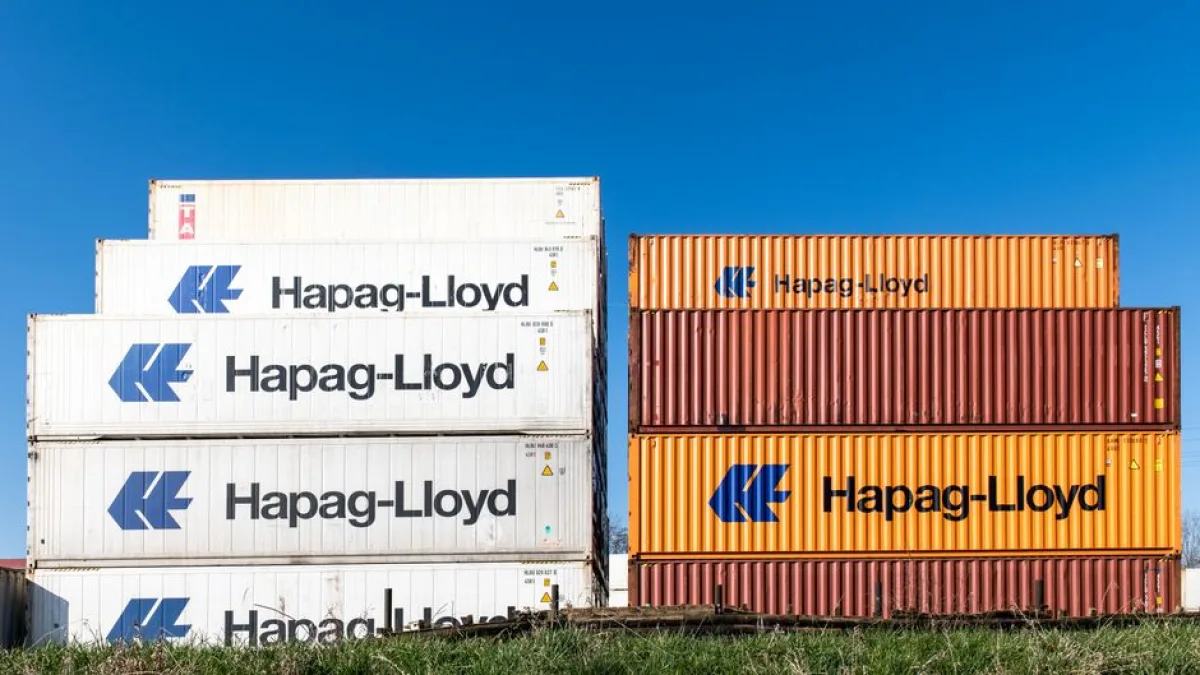
Understanding free trade agreements and regional regulations is essential for optimizing costs. Freight forwarders must keep pace with shifting political landscapes and bilateral treaties to advise clients on duty exemptions and preferential treatment for their specific cargo types.
- Duty Savings Identification: Expert software tools analyze trade routes and goods to suggest potential duty savings through applicable free trade agreements, adding tangible value to your freight forwarding service offerings.
- Regional Compliance Mapping: Digital solutions provide geographic insights into specific customs requirements, ensuring your team adheres to the diverse local laws governing exports and imports in every operating region.
- Proactive Risk Assessment: Systems provide alerts regarding changes in trade policies or sudden tariff adjustments, allowing forwarders to pivot their logistics strategies before cargo encounters significant border clearance obstacles.
- Verified Origin Tracking: Software helps track the origin of goods throughout the supply chain, which is a mandatory requirement for qualifying for various international trade concessions and tax benefits.
Expertise in trade agreements turns the freight forwarder into a strategic consultant rather than just a logistics provider. By mastering the nuances of international treaties, you help clients optimize their supply chain costs while maintaining perfect compliance. This proactive approach prevents unexpected fees and establishes your firm as an essential partner for companies looking to expand their presence in foreign markets.
Leveraging Technology for Risk Mitigation

Proactive risk management is the final piece of the customs compliance puzzle. Using advanced analytics, forwarders can identify potential bottlenecks or regulatory non-compliance before they impact shipping schedules, ensuring a smoother journey for every container under your management.
- Predictive Analytics Tools: Sophisticated software uses historical data to identify potential customs bottlenecks, allowing forwarders to proactively adjust routing or documentation to avoid unnecessary delays at major border checkpoints.
- Compliance Monitoring Dashboards: Centralized screens provide a clear view of current compliance status across all shipments, making it easy to identify missing information or pending clearances at a glance.
- Automated Compliance Alerts: The system notifies key stakeholders immediately when customs regulations change or if a shipment deviates from standard protocols, facilitating rapid response to mitigate potential risks.
- Historical Performance Audits: Analytics engines evaluate past shipments to identify trends in compliance issues, empowering management to implement corrective training and process improvements for the entire logistics team.
Technology serves as a powerful shield against the complexities of global trade. By integrating risk management tools into your daily workflow, you minimize the likelihood of expensive delays and legal complications. A data-driven approach to compliance not only safeguards your operations but also provides clear visibility for your clients. Embrace these digital solutions to build a sustainable and highly professional logistics business.
Conclusion

Mastering customs compliance is the hallmark of a world-class freight forwarder. By integrating automation, digital documentation, and smart analytics, you can navigate complex global regulations with confidence. Empower your team with the right tools to reduce errors, save costs, and ensure timely cargo delivery. Start optimizing your compliance workflows today with MakeCargo to secure your position as a trusted leader in the global logistics industry.