Navigating Global Customs Compliance for Freight Forwarders
Saturday, August 8 2026
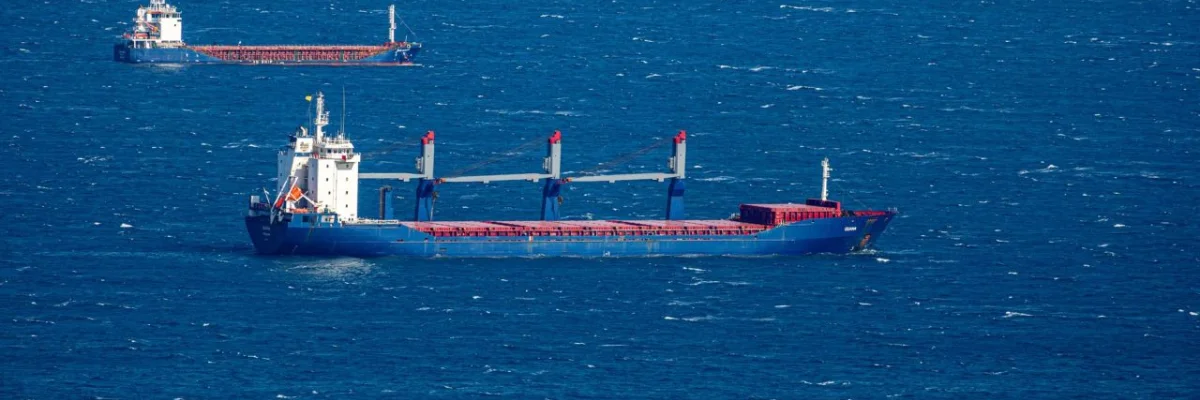
Global trade regulations are shifting faster than ever before, placing immense pressure on freight forwarders to maintain perfect compliance while managing complex logistics networks. A single documentation error can trigger costly delays, punitive fines, and damaged reputations with key stakeholders. Modern logistics professionals must move beyond manual tracking methods and adopt integrated digital frameworks to ensure every shipment aligns with changing border requirements. By leveraging automated data validation and real time regulatory updates, your logistics firm can minimize the risks associated with international trade while significantly improving your operational efficiency and client satisfaction rates across all global shipping lanes.
Digitizing Essential Documentation

Transitioning from paper based systems to digital workflows is a critical step for modern forwarders. Digital document management tools allow teams to store, audit, and share compliance files securely, reducing the probability of human error during intense high volume shipping periods.
- Cloud Storage Security: Securely archive all shipping documents on encrypted cloud servers to ensure that sensitive data remains accessible only to authorized personnel during international audit procedures and spot checks.
- Automated Data Validation: Use smart software to cross reference entry data against global tariff codes, which helps identify inconsistencies in shipment details before they reach customs officials at borders.
- Real Time Updates: Receive instant notifications regarding changes in international trade laws and regional import regulations, allowing your staff to adjust documentation strategies before problems occur during transit.
- Digital Signature Integration: Implement legally binding electronic signatures to streamline the approval process for import permits, which significantly accelerates the flow of freight through busy and highly congested ports.
Adopting a digital first approach to documentation does more than just save time during daily operations. It creates a robust audit trail that protects your business from potential litigation while providing clients with transparent and reliable updates. When your team can retrieve critical information in seconds, you project an image of professionalism and competence that strengthens your long term client relationships in competitive markets.
Standardizing Tariff Classification
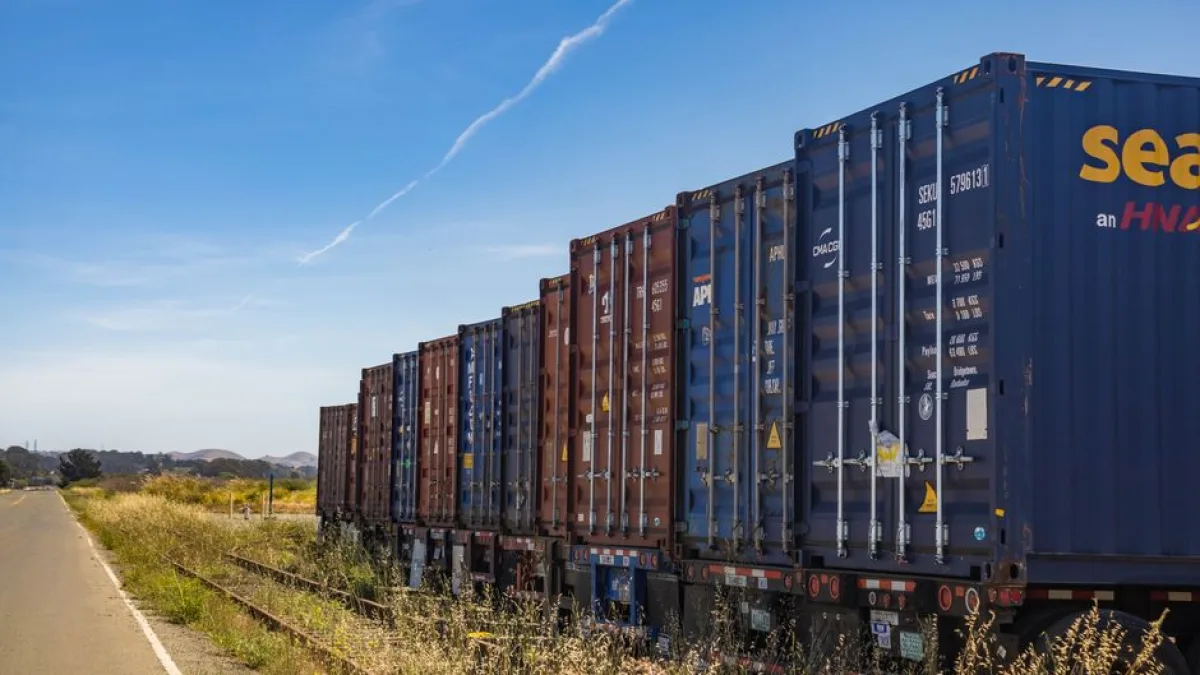
Proper tariff classification is the backbone of compliant shipping. Misclassifying goods can lead to significant financial penalties and unexpected duty payments, so standardized coding systems are essential for every logistics professional who aims to maintain high accuracy and consistency.
- Global Harmonized Codes: Consistently apply the correct Harmonized System codes to every item, ensuring that your documentation meets international standards and avoids common classification errors during customs processing.
- Automated Code Search: Utilize integrated search tools that suggest the correct classification codes based on product descriptions, which reduces the manual workload and potential for simple human errors.
- Internal Audit Reviews: Conduct periodic internal reviews of all previous tariff classifications to identify potential inaccuracies and correct them before they become costly compliance issues for your business.
- Standardized Client Records: Maintain detailed databases of client product history, allowing your team to reuse accurate classification data for recurring shipments without needing to repeat the initial research phase.
Mastering the intricacies of tariff classification is a continuous process of learning and refinement. By investing in standardized data structures, you ensure that your firm remains resilient against changing government regulations and complex border requirements. This commitment to accuracy not only keeps your operations running smoothly but also helps your clients optimize their duty payments, providing a tangible value proposition for your logistics services.
Mastering Risk Management Strategies
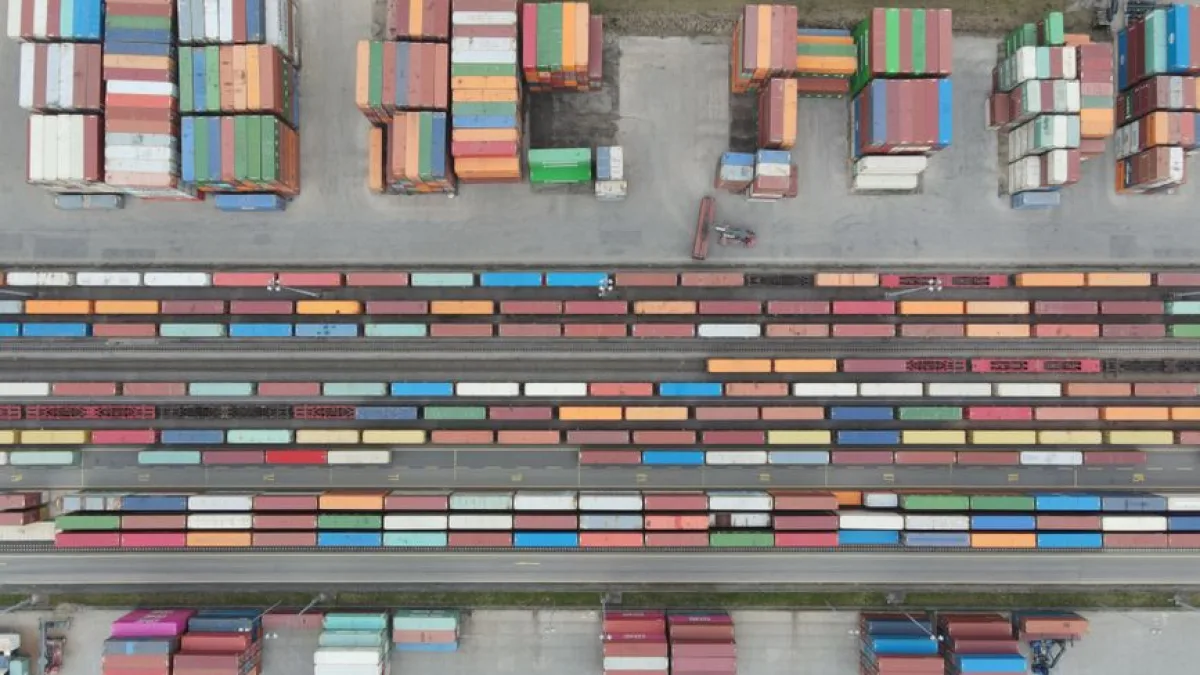
Proactive risk management is necessary to navigate the volatility of international trade lanes. By anticipating potential compliance bottlenecks and having mitigation strategies ready, your firm can maintain service reliability even when facing unexpected changes in global trade policy or local regulations.
- Predictive Risk Modeling: Leverage software analytics to evaluate the compliance history of specific trade lanes, which helps your team anticipate potential delays and choose safer routes for cargo.
- Partner Compliance Vetting: Thoroughly vet all third party carriers and logistics partners to ensure their internal processes meet your high standards for regulatory compliance and professional freight handling.
- Contingency Planning Protocols: Create detailed action plans for common disruptions, such as sudden policy shifts or natural disasters, to ensure that your logistics team can react immediately without hesitation.
- Regular Staff Training: Host recurring workshops to educate your employees on emerging trade threats, ensuring that everyone in your organization remains vigilant and knowledgeable about complex compliance matters.
Successful risk management is all about preparation and visibility across your entire supply chain. When you understand the potential hazards inherent in specific shipping routes, you can make informed decisions that protect your company and your clients. This strategic foresight distinguishes industry leaders from basic service providers, ultimately making your freight forwarding platform an indispensable partner for businesses operating in complex international markets.
Automating Compliance Reporting

Manual reporting is often the source of significant compliance gaps in modern freight forwarding operations. Moving to automated reporting tools provides clear visibility into your shipping activities, ensuring that all data points align with regulatory requirements and support fast customs clearance processes.
- Integrated Data Syncing: Connect your freight forwarding software directly with customs agencies to transmit documentation electronically, which eliminates manual entry errors and significantly speeds up cargo release times.
- Customized Audit Reports: Generate detailed compliance reports at the click of a button, providing your team with the data necessary to evaluate performance and identify areas for improvement.
- Exception Management Alerts: Set up automated alerts to notify your staff whenever a shipment fails a compliance check, allowing for rapid intervention before the cargo is delayed indefinitely.
- Historical Data Analysis: Use long term data trends to identify repeating compliance patterns, which helps you refine your processes and prevent future issues from recurring across the company.
Automation empowers your team to focus on high level strategy rather than repetitive data entry tasks. By utilizing these advanced tools, you ensure that your firm remains compliant with all relevant laws while operating at peak efficiency. This shift in operational focus allows for faster growth and better service delivery, ensuring that your company remains competitive in a rapidly evolving global shipping landscape.
Conclusion

Prioritizing customs compliance is essential for any freight forwarder seeking sustainable success in global trade. By embracing digital documentation, standardized classification, risk mitigation, and automated reporting, you build a resilient business model that thrives under pressure. Start optimizing your compliance workflows with MakeCargo today to ensure your team remains efficient, accurate, and ready for any future changes in international trade regulation.