Navigating Global Customs Compliance for Freight Forwarders
Tuesday, August 11 2026
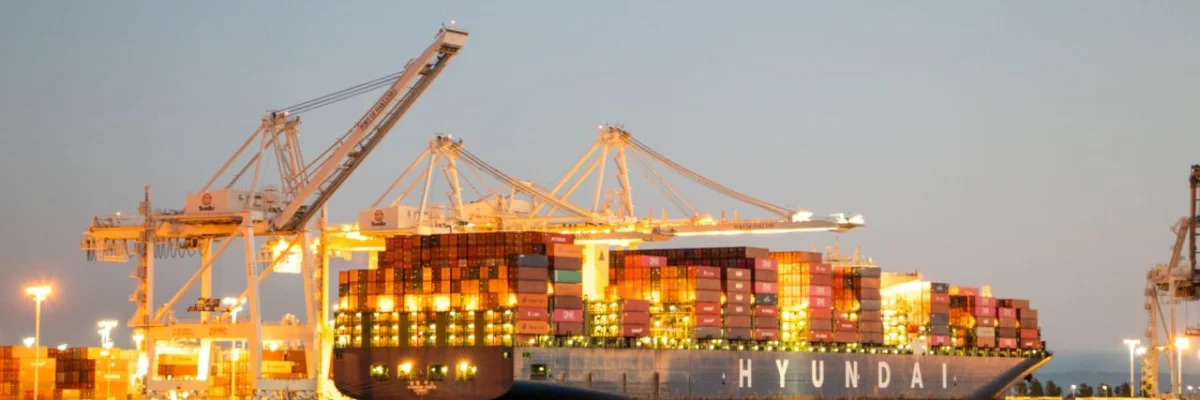
Global trade relies on the seamless movement of goods across international borders, yet customs compliance remains the most significant hurdle for modern freight forwarders. With fluctuating regulatory requirements and an increasing demand for supply chain transparency, professionals must leverage digital tools to maintain accuracy. Failing to adhere to local import and export laws often leads to costly delays, heavy fines, or even the seizure of cargo. By mastering the complexities of documentation and classification, forwarders can protect their reputations while ensuring that client shipments move through customs checkpoints without unnecessary friction or legal complications.
The Importance of Accurate Documentation

Proper documentation serves as the legal foundation for every cross-border shipment, acting as the primary source of truth for customs authorities. Errors in manifest details or commercial invoices frequently lead to flagged shipments, which derail transport schedules and diminish client trust immediately.
- Commercial Invoice Precision: Every invoice must clearly detail the buyer, seller, and a comprehensive breakdown of goods to ensure authorities can accurately calculate applicable duties and taxes without issue.
- Harmonized System Codes: Assigning the correct HS codes is critical for avoiding incorrect tariff assessments and preventing audits that could delay your cargo for weeks or months.
- Certificate of Origin: Providing accurate proof of where goods were manufactured allows shippers to benefit from preferential trade agreements and avoid paying unnecessary tariffs at customs borders.
- Packing List Detail: Detailed packing lists help port inspectors verify quantities and descriptions quickly, reducing the time your cargo spends in administrative limbo during the port clearance process.
- Dangerous Goods Declaration: Ensuring hazardous materials are correctly documented according to international maritime codes is vital for safety, compliance, and preventing severe legal penalties from port authorities.
Precision in paperwork minimizes human error and reduces the reliance on manual corrections that slow down international operations. Forwarders who prioritize digital record keeping and standardized templates see a noticeable improvement in processing speeds. Investing in automated validation checks early in the workflow ensures that discrepancies are caught before they reach customs officials, ultimately protecting your company from expensive bottlenecks and maintaining strong client partnerships throughout the year.
Digital Transformation in Compliance Management
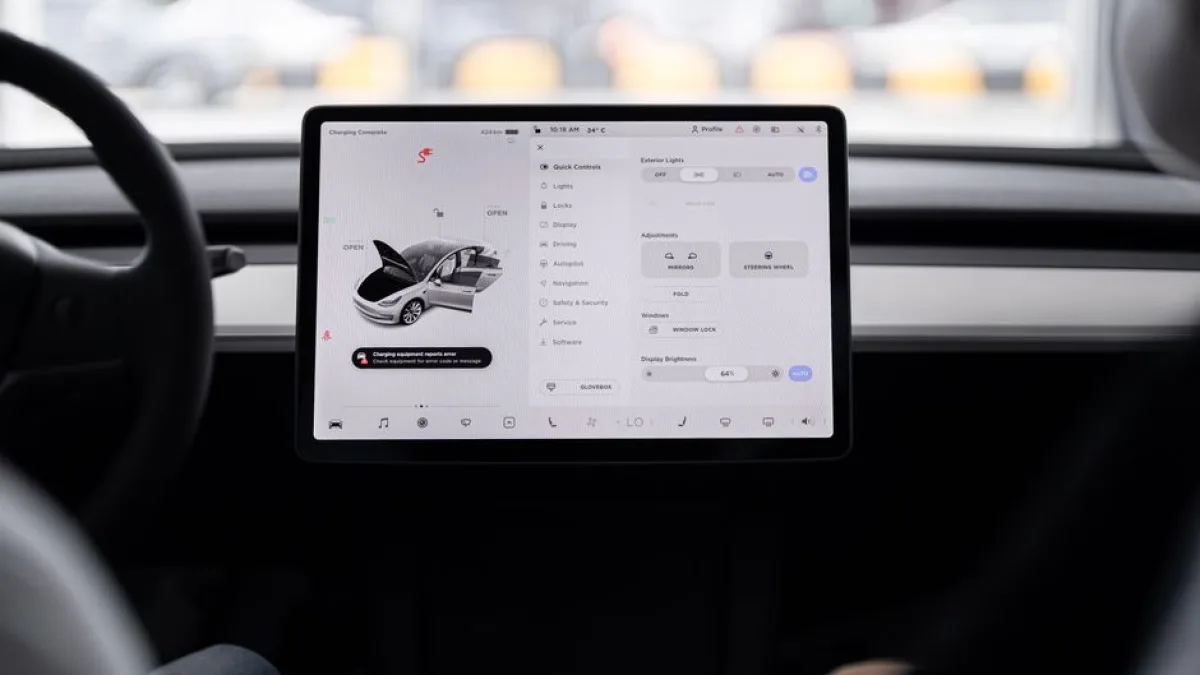
Cloud-based technology transforms how logistics companies handle regulatory tasks by centralizing data and automating compliance updates. Relying on paper-based systems is no longer viable in a high-speed logistics environment that demands real-time accuracy and constant visibility from every stakeholder.
- Automated Compliance Tracking: Modern software platforms automatically flag regulatory changes in specific countries, ensuring your team always works with the latest legal requirements for international freight movement.
- Cloud Data Storage: Storing all documentation in a secure cloud environment provides your team with instant access to historical data needed for audits or future shipments.
- Real-time Status Alerts: Automated notifications keep stakeholders informed about the status of customs clearance, allowing for proactive communication instead of reactive problem solving during cargo delays.
- Integration with Authorities: Direct connectivity between freight software and customs authorities reduces the risk of data entry errors by streamlining the submission process through digital portals.
- Audit Trail Logging: Maintaining a comprehensive digital audit trail is essential for proving compliance during governmental investigations and protecting your firm from potential regulatory liability issues.
Adopting specialized freight software allows forwarders to replace sluggish, manual data entry with efficient, automated workflows that increase overall productivity. These digital solutions provide a single source of truth that helps teams stay organized despite the high volume of daily shipments. By minimizing reliance on disconnected tools, your team will benefit from enhanced transparency and a significant reduction in time-consuming administrative tasks globally.
Understanding International Trade Agreements

Trade agreements significantly influence the cost and efficiency of moving goods between partner nations. Freight forwarders must remain informed about current treaties and how these regulations affect duty rates for their clients to provide the best advice and pricing.
- Preferential Duty Rates: Understanding bilateral trade deals allows you to apply for reduced duties, saving your clients significant money and providing you with a distinct competitive market advantage.
- Rules of Origin: Mastery of origin rules prevents customs delays caused by incorrect declarations regarding the manufacturing location of goods, which is vital for international logistics compliance.
- Regional Trade Blocs: Navigating the specific regulations of regional blocs requires localized expertise to manage the complexities of moving freight between interconnected economies effectively and without errors.
- Free Trade Zones: Utilizing designated free trade zones allows for the legal deferment of duties, offering your clients flexible inventory management options that optimize their overall supply chain.
- Sanction Monitoring: Keeping a close watch on international trade sanctions is crucial to avoid shipping to blacklisted entities and facing severe legal consequences from global authorities.
Knowledge of trade agreements empowers forwarders to offer strategic value beyond simple transportation services. By identifying cost-saving opportunities through legal tariff mitigation, you become an indispensable partner to your clients. Staying current on these shifting geopolitical landscapes ensures that your business remains agile, helping you avoid restricted shipping routes while capitalizing on new opportunities for growth in the global marketplace today.
Mitigating Risks Through Staff Training

Continuous staff education is the best defense against compliance risks, as laws are constantly evolving in the fast-paced world of logistics. Developing a culture of expertise ensures that your team handles complex customs hurdles with professional confidence and accuracy.
- Ongoing Certification Programs: Encouraging staff to complete professional certifications keeps their knowledge current with the latest international trade regulations and evolving customs clearance procedures for different regions.
- Internal Compliance Workshops: Regular workshops focusing on recent case studies help teams identify common pitfalls and learn effective strategies to resolve difficult customs issues for their clients.
- Regulatory Update Briefings: Holding weekly meetings to discuss changes in local law ensures every team member knows how new regulations impact current shipments and future logistics planning.
- Technology Proficiency Training: Training employees to use your freight software effectively ensures that features like automated compliance checks are used correctly to maximize accuracy across the board.
- Risk Management Protocols: Establishing clear internal protocols for handling cargo holds gives your staff a roadmap to follow, reducing anxiety and ensuring consistent responses during stressful events.
Investing in your employees creates a resilient workforce capable of handling the most complex customs scenarios with efficiency. When your staff is well trained, your company experiences fewer errors and maintains higher levels of service quality. This professional approach to compliance builds a strong internal culture that values accuracy, ultimately safeguarding your reputation and ensuring long-term success in the competitive freight forwarding industry.
Conclusion
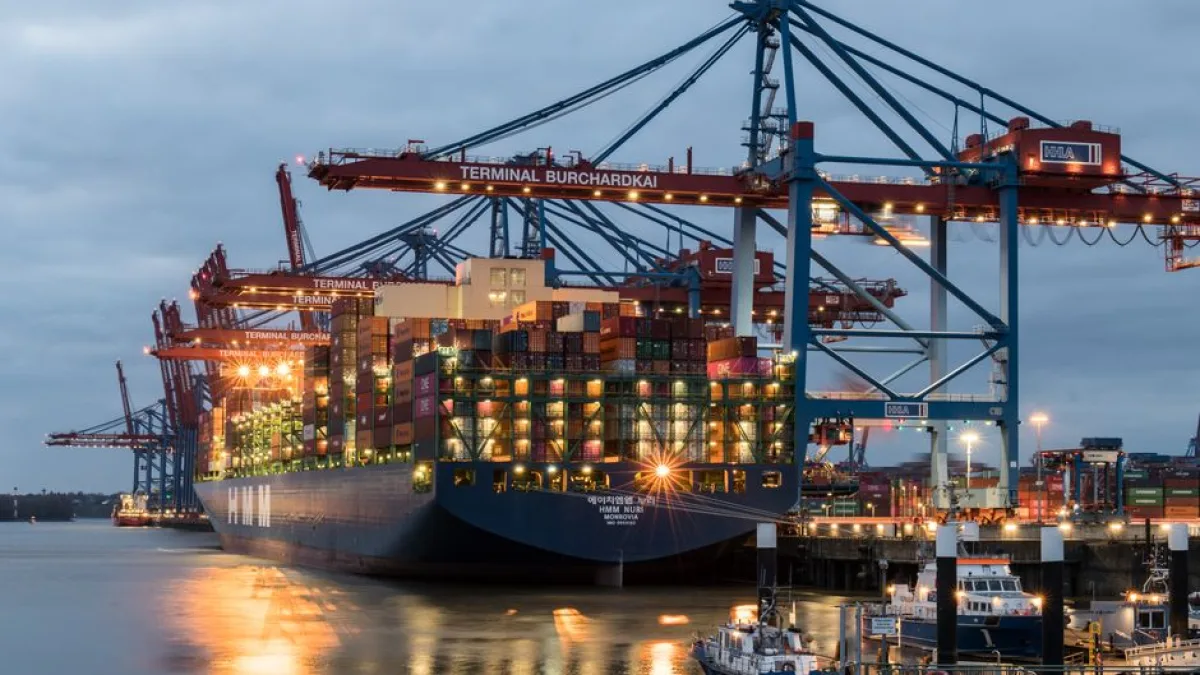
Maintaining rigorous customs compliance is not just about avoiding penalties, it is about building a foundation for reliable and efficient global trade. By leveraging technology, staying informed on international trade agreements, and prioritizing staff education, freight forwarders can turn compliance into a competitive advantage. Commit to these best practices within your operations today to streamline your workflows and secure lasting success for your business.