Navigating Global Customs Compliance: A Freight Forwarder Guide
Thursday, September 3 2026
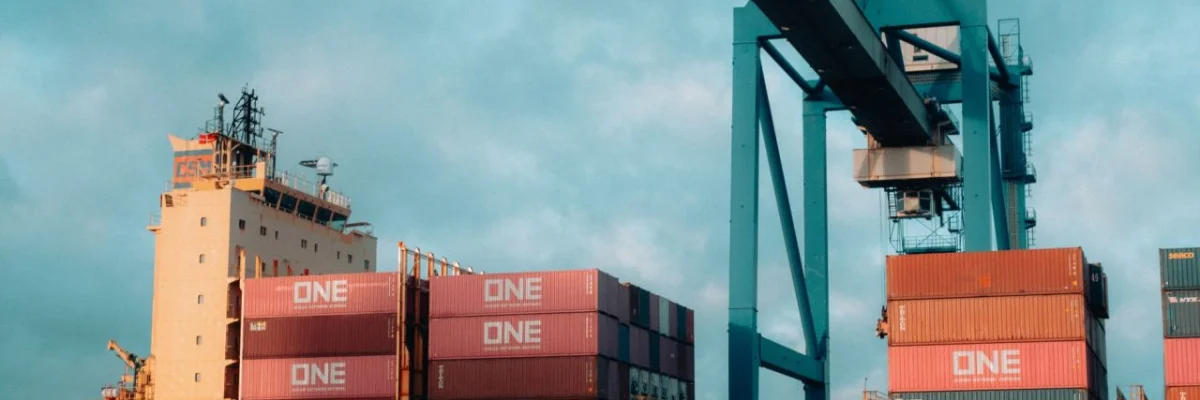
Global trade relies on the seamless movement of goods across international borders, yet customs compliance remains the most significant hurdle for modern freight forwarders. As regulatory environments tighten, the ability to manage documentation, tariff classifications, and duty calculations with precision becomes a defining competitive advantage. Freight professionals must navigate a complex web of local and international laws to prevent costly delays, heavy fines, and potential cargo seizures. By leveraging digital tools and maintaining a proactive approach to regulatory changes, your logistics firm can ensure that every shipment moves efficiently through customs, fostering long-term trust and reliability with your global client base.
The Critical Role of Documentation

Accurate documentation is the foundation of smooth customs clearance and regulatory adherence. When digital records are incomplete or riddled with errors, customs authorities often flag shipments for inspection, causing significant bottlenecks that disrupt the entire global supply chain ecosystem.
- Automated Data Entry: Implement software solutions that digitize paper documents automatically to reduce manual entry errors and ensure that every specific customs requirement is met with perfect precision.
- Standardized Filing Systems: Maintain a centralized digital repository for all commercial invoices, packing lists, and certificates of origin to simplify audit processes during sudden government inspections or reviews.
- Real-time Validation Checks: Utilize intelligent compliance modules that perform instant validation checks against international databases to identify discrepancies before your cargo even reaches the busy port facilities.
- Unified Communication Channels: Streamline information flow between shippers and customs brokers to ensure that critical trade documents are verified, updated, and submitted well before the arrival deadline.
- Electronic Customs Integration: Leverage cloud-based platforms that integrate directly with government customs portals to facilitate faster filing and provide instant visibility into your current shipment status.
By digitizing your documentation workflows, you effectively eliminate the manual oversight that leads to expensive border delays. Transitioning to a cloud-based freight management system allows your team to access files from anywhere, ensuring constant readiness. This proactive shift not only enhances your operational speed but also builds a reputation for extreme reliability, which is essential for attracting high-value clients within the competitive global shipping industry.
Mastering Tariff Classification Accuracy

Correct tariff classification determines the duties and taxes payable on your goods, making it a pivotal aspect of financial compliance. Misclassification can lead to severe penalties or unexpected costs that erode your profit margins and damage relationships with clients.
- Harmonized System Utilization: Use updated databases to correctly identify Harmonized System codes for all commodities, ensuring your duty calculations are perfectly aligned with current international trade laws.
- Automated Duty Estimation: Integrate dynamic duty calculators that provide accurate tax projections, helping your clients understand their total landing costs before their cargo leaves the warehouse.
- Routine Compliance Audits: Conduct internal audits on classification history to identify recurring errors and refine your coding processes for future shipments across diverse global trade regions.
- Expert Classification Support: Partner with regional customs specialists who provide expert guidance on specific country requirements to ensure that your classification strategy remains compliant and optimized.
- Dynamic Regulatory Updates: Enable software notifications that alert your team about immediate changes in tariff rates or duty structures, allowing for rapid adjustments in your logistics operations.
Precision in classification is not just about avoiding fines; it is about providing financial clarity to your partners. When you implement automated systems to handle the complexities of HS codes, you reduce the risk of human error significantly. This level of professional rigor establishes your brand as a leader in compliance, ensuring that every shipment remains cost-effective and legally sound throughout the duration.
Leveraging Advanced Compliance Software

Modern freight forwarding requires sophisticated software to keep pace with evolving international regulations. These cloud-based platforms act as the central nervous system of your compliance operations, offering unparalleled control over the movement and legal status of goods.
- Centralized Shipment Visibility: View all your active shipments in one dashboard, giving you total control and real-time oversight of customs status updates across every global port.
- Compliance Analytics Dashboards: Use detailed data analytics to spot patterns in delays or classification discrepancies, allowing your management team to make informed and strategic operational decisions.
- Automated Compliance Alerts: Receive instant automated notifications regarding regulatory updates or potential document failures, ensuring that your team acts immediately to resolve issues before they escalate.
- Encrypted Data Security: Protect sensitive client and shipment data with robust encryption standards, ensuring that your firm complies with global digital privacy laws and cybersecurity requirements.
- Customized Reporting Modules: Generate detailed compliance reports for your clients at the touch of a button, demonstrating your commitment to transparency and meticulous regulatory management standards daily.
Adopting advanced freight management software transforms your compliance strategy from a reactive task into a powerful competitive advantage. These platforms enable you to monitor complex international shipments while maintaining rigorous standards of data accuracy and operational safety. By investing in these tools, you empower your staff to handle higher volumes of work without sacrificing the quality or the security of your documentation.
Building Strong Regulatory Relationships

Success in customs compliance is often built on strong, professional relationships with local authorities and customs brokers. When you cultivate these connections, you gain valuable insights and a deeper understanding of regional nuances that prevent common pitfalls and delays.
- Proactive Broker Engagement: Maintain frequent and professional contact with your licensed customs brokers to ensure they understand your specific cargo needs and the unique regulatory requirements.
- Industry Networking Groups: Participate in international freight associations to stay updated on emerging trade trends and best practices for compliance within the rapidly changing logistics landscape.
- Government Liaison Programs: Engage directly with trade offices to stay informed about local customs initiatives, which can help your firm anticipate changes in trade policies effectively.
- Transparency with Clients: Foster trust by being completely transparent regarding customs risks, providing regular updates that keep your clients informed about their cargo and regulatory obligations.
- Staff Compliance Training: Invest in regular workshops for your employees, ensuring they stay current with the latest international trade regulations and customs clearance protocols worldwide.
Building strong networks is the human element that complements your digital systems, providing a safety net when complex issues arise. These relationships allow you to navigate local customs hurdles with greater ease and confidence. By prioritizing communication and professional growth, your firm establishes a reputation for integrity and excellence, ensuring long-term success in an industry where reputation is your most valuable asset.
Conclusion

Mastering the complexities of customs compliance is essential for the sustained success of any freight forwarding business. By integrating automated documentation, precise classification, and robust software, you can minimize risks while maximizing operational efficiency. Cultivating strong industry relationships and staying informed of global trends will ensure your team remains adaptable and resilient. With these strategies, you can confidently navigate any regulatory landscape with total success.