Navigating Global Customs Compliance for Freight Forwarders
Saturday, September 5 2026
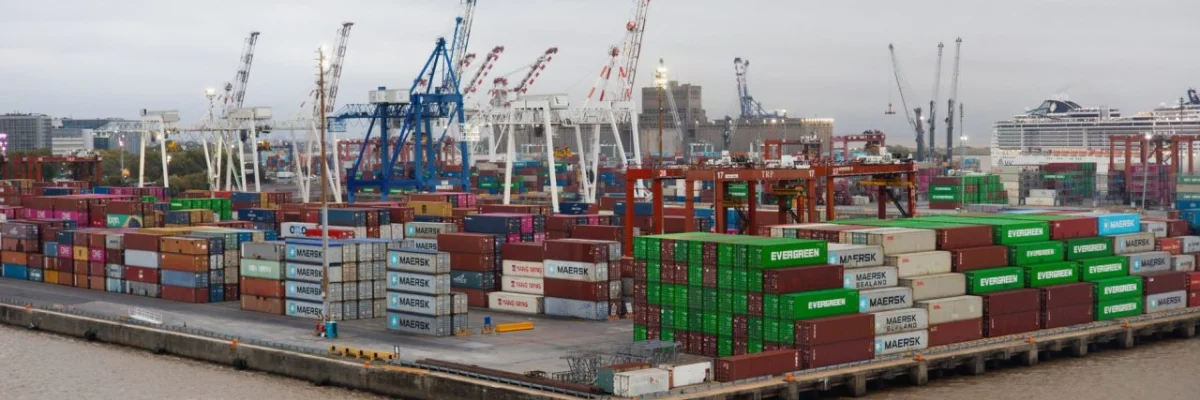
Global trade remains a complex landscape where freight forwarders act as the vital bridge between complex regulatory requirements and efficient supply chain operations. As borders become more digitized, the demand for absolute accuracy in customs documentation has never been higher. Failure to maintain strict adherence to international trade laws can result in costly delays, severe penalties, and long term damage to client relationships. By leveraging modern cloud software and standardized data protocols, forwarders can transform compliance from a source of operational friction into a distinct competitive advantage that provides reliable security for every shipment moved across borders today.
Understanding Trade Regulatory Frameworks

Effective compliance starts with a deep understanding of evolving trade frameworks that govern cross border logistics today. Forwarders must continuously track shifts in international laws to ensure that every shipment meets the specific legal criteria required for smooth port entry and exit.
- Harmonized System Codes: Accurate classification of goods is essential for calculating duties correctly. Ensuring every item uses the right code prevents fiscal inaccuracies and avoids potential customs audits by authorities.
- Export Control Laws: Adhering to strict export restrictions is critical for national security. Forwarders must screen all parties against denied person lists to ensure full legal conformity for clients.
- Incoterms 2020 Rules: Clearly defining transfer of risk through Incoterms simplifies liability. Applying these standards correctly helps both forwarders and clients manage insurance obligations and customs clearance responsibilities quite effectively.
- Duty Drawback Programs: Leveraging specific tax recovery programs can significantly lower costs. Mastering these government incentives allows forwarders to provide additional financial value to importers during the complex clearance process.
Mastering these regulatory frameworks requires ongoing education and a proactive approach to industry changes. By embedding these standards into your daily operational workflow, you minimize the risk of human error during documentation. A commitment to knowledge ensures that your team remains agile and prepared for audits. This dedication builds trust with customs agencies and establishes your brand as a reliable leader in the global market.
Digital Documentation and Data Integrity

Cloud software platforms provide the necessary architecture for maintaining perfect data integrity throughout the lifecycle of a shipment. By automating the entry of customs information, companies can ensure that every record is consistent, transparent, and instantly available for audits.
- Automated Data Entry: Replacing manual typing with integrated digital inputs drastically reduces common clerical mistakes. Automated systems validate information in real time to ensure accuracy before documents ever reach customs agents.
- Cloud Storage Solutions: Maintaining centralized repositories for shipping records ensures quick retrieval during compliance reviews. Secure cloud systems protect sensitive client information while keeping all essential records organized and accessible.
- Electronic Data Interchange: Using standardized EDI formats allows for seamless communication between forwarders and authorities. This high level of connectivity accelerates clearance speeds and reduces the manual handling of paper documentation.
- Real-Time Tracking Links: Providing customers with live status updates improves operational transparency during the entire customs journey. Visibility tools help stakeholders prepare for potential inspection delays before they impact delivery timelines.
Digital transformation is no longer optional for firms operating in today's fast paced environment. By shifting toward paperless documentation, you enhance accuracy and improve processing speeds across all international lanes. Your focus should remain on creating a seamless digital trail that satisfies the strict requirements of modern customs officials. Investing in software that supports these digital standards will significantly improve your overall operational efficiency.
Risk Mitigation and Audit Preparation
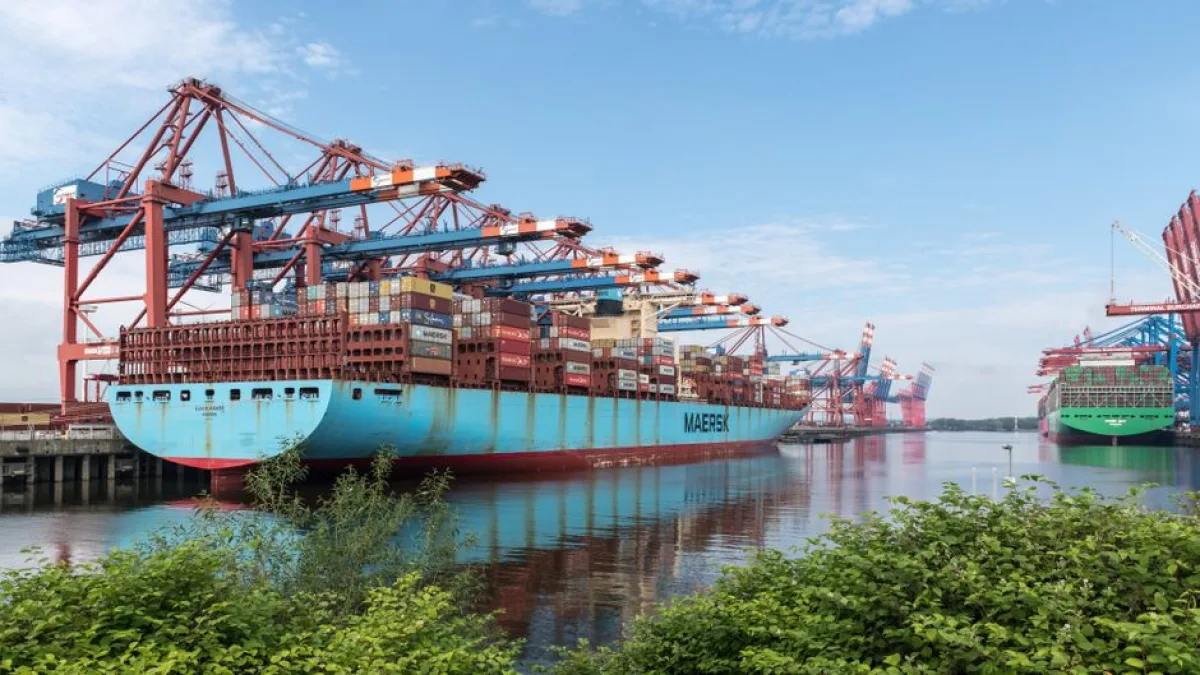
Preparing for potential audits requires a rigorous internal process that prioritizes transparency and meticulous record keeping. Forwarders must actively monitor their operations to identify and resolve vulnerabilities before they escalate into legal issues or major financial penalties for their valued customers.
- Internal Compliance Audits: Conducting regular reviews of past documentation helps uncover hidden risks within your workflow. Identifying errors early allows for swift corrections and prevents repeated compliance failures across shipments.
- Vendor Due Diligence: Vet your international partners carefully to ensure they maintain the same high standards of compliance. Reliable logistics partners are essential to keeping your supply chain secure.
- Customs Bond Management: Ensuring active bonds are in place protects against unforeseen liabilities during transit. Managing these financial instruments efficiently is a core responsibility that guarantees continuity for your clients.
- Staff Training Programs: Empowering employees with deep regulatory knowledge is your best defense against errors. Continuous education keeps your workforce updated on the latest compliance trends and security protocols.
Risk management is an ongoing task that requires diligence and consistent attention to detail from the entire team. By fostering a culture that prioritizes compliance, you create a robust defense against potential legal challenges. These proactive measures not only protect your business from penalties but also reinforce your reputation as a professional entity. Consistency in your internal audits leads to long term success and growth.
Leveraging Technology for Strategic Compliance

Modern software solutions allow forwarders to integrate compliance directly into their logistical workflows. By utilizing smart tools that flag potential errors or missing information, companies can automate the compliance lifecycle while reducing the reliance on manual labor for complex customs tasks.
- Automated Regulatory Alerts: Receive instant notifications about changes in local trade regulations that impact your specific lanes. Staying updated on legislative shifts helps you adjust strategies before they cause delays.
- Integration with Portals: Direct connections to customs portals streamline the submission process for all shipping documents. Eliminating secondary portals saves precious time and reduces the risk of data entry discrepancy.
- Predictive Compliance Analytics: Using data trends to forecast potential bottlenecks allows for better planning and resource allocation. Analytics provide the insights needed to refine processes for better customs clearance.
- Customizable Reporting Tools: Generate detailed compliance reports at the click of a button to satisfy client or auditor requests. Professional reports showcase your commitment to quality and transparency throughout the shipping process.
Investing in technology that centers on compliance transforms the way your business handles its daily operations. These digital tools provide the reliability needed to handle growing trade volumes without increasing your risk profile. As global trade continues to evolve, these technological solutions will remain essential for maintaining a competitive edge. Embracing these advanced digital capabilities ensures that your freight forwarding business remains both secure and efficient.
Conclusion
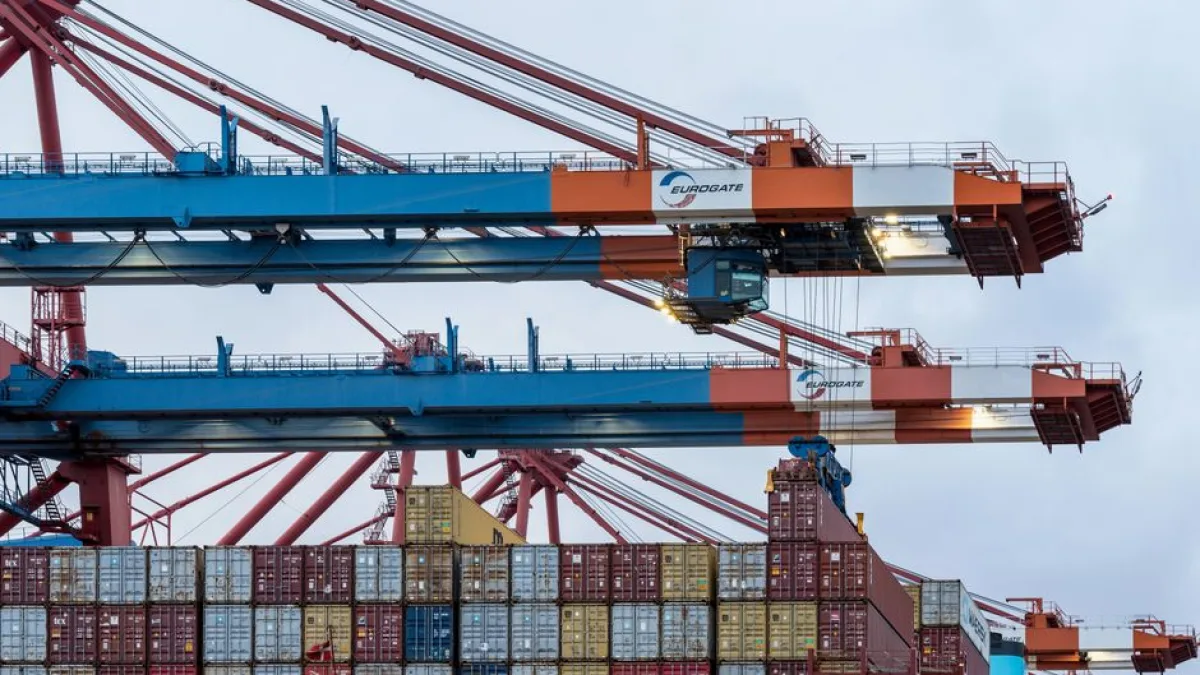
Navigating global customs requires a combination of deep knowledge, reliable software, and a commitment to operational excellence. By focusing on data accuracy, risk mitigation, and the latest digital tools, freight forwarders can effectively manage complex international requirements while serving their clients with confidence. Stay ahead of regulatory changes and leverage modern technology to build a resilient and highly efficient customs compliance strategy for your business today.