Navigating Global Customs Compliance for Freight Forwarders
Monday, July 27 2026
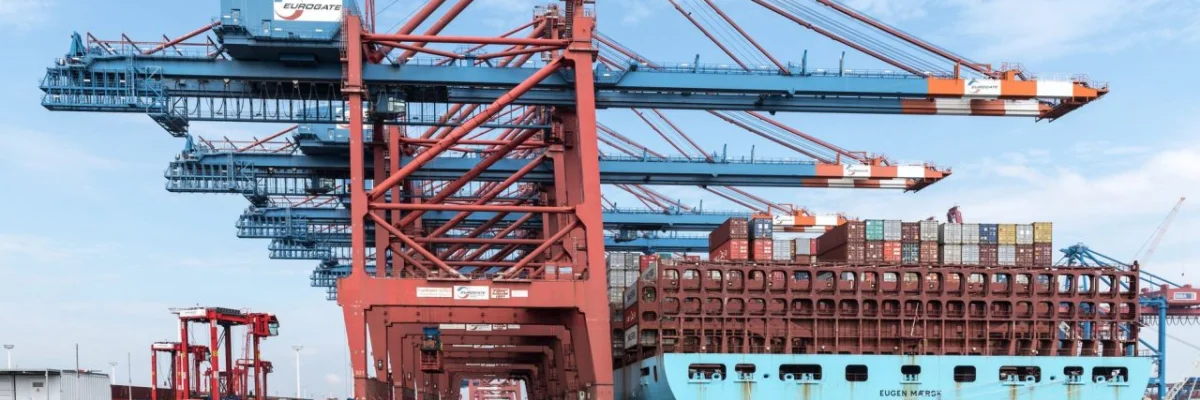
Navigating the complex landscape of international trade requires a meticulous approach to customs compliance that ensures your shipments move without delay. As global trade regulations become increasingly stringent, freight forwarders must prioritize accuracy and transparency in their documentation processes. Leveraging modern software solutions allows teams to track regulatory changes in real-time, reducing the risk of costly penalties and shipment seizures. By establishing robust internal controls and maintaining clear communication with both customs authorities and your clients, you can transform compliance from a logistical burden into a core competitive advantage that builds lasting trust with every international delivery.
Understanding Trade Regulations
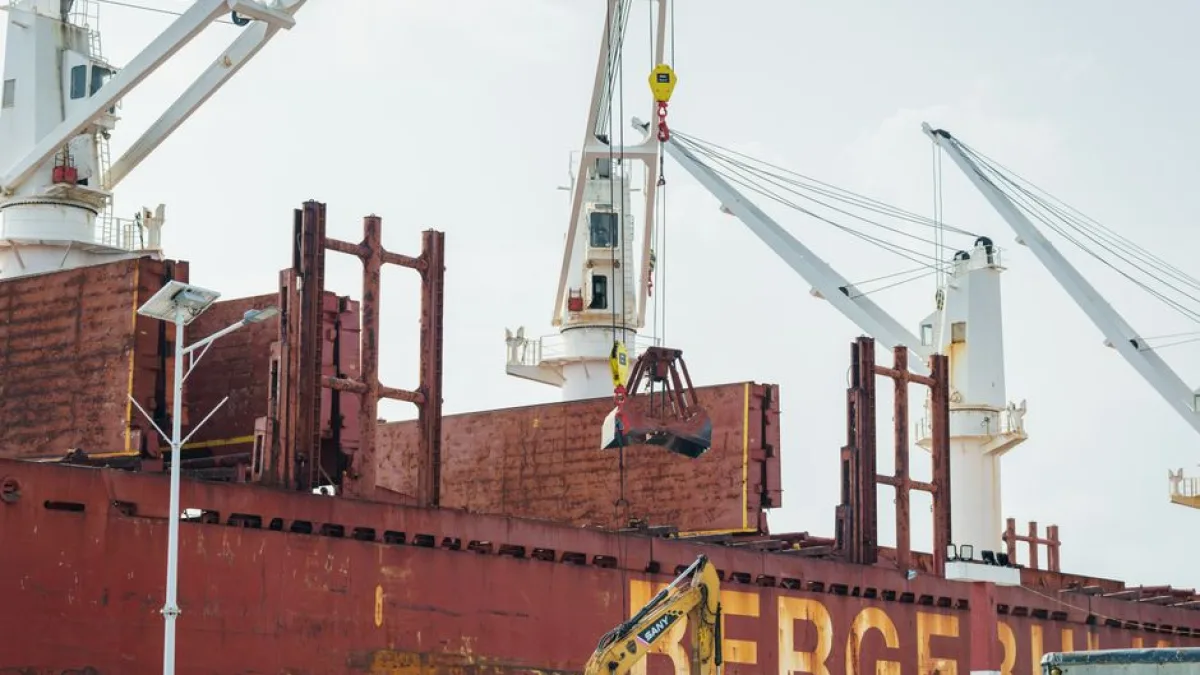
Staying updated on the latest international trade laws requires constant monitoring of legislative changes and regional mandates. Freight forwarders must analyze these shifts to ensure that every shipment conforms to the specific standards required by authorities in various global territories.
- Regulatory Monitoring Tools: Utilize advanced software platforms that provide real-time updates on changing import and export laws to ensure your logistics strategy remains fully compliant with current international mandates.
- Harmonized System Codes: Accurate classification of goods is essential for duty calculation, so ensure your team utilizes precise HS codes to prevent audits and avoid heavy financial penalties.
- Regional Trade Agreements: Take advantage of various regional trade deals by verifying certificates of origin and ensuring your shipments meet the necessary criteria for preferential tariff treatments globally.
- Sanction List Screening: Implement automated checks against international denied party lists to ensure you are not conducting business with restricted entities or individuals during your daily shipping operations.
Mastering these regulatory requirements prevents the common pitfalls that lead to cargo bottlenecks at ports. By integrating automated screening processes and maintaining rigorous documentation standards, your agency can effectively mitigate risks. This proactive stance not only ensures a smoother clearance process but also demonstrates high professionalism to your clients, which is vital for long-term growth and maintaining a sterling reputation in the industry.
The Role of Data Accuracy

Precise data entry forms the backbone of successful customs clearance procedures for any logistics provider. Errors in shipping documentation or manifest details frequently trigger manual inspections, leading to significant delays and additional storage costs that impact your overall operational margins.
- Electronic Data Interchange: Modern EDI systems allow for the seamless exchange of documentation between shippers and customs authorities, reducing human error while drastically increasing the speed of processing.
- Validated Data Entry: Implement validation checks within your freight software to ensure all information fields are populated correctly before submitting any documentation to the relevant customs agencies today.
- Audit Trail Management: Maintain a comprehensive digital history for every shipment to provide clear evidence of compliance if authorities ever request information regarding specific import or export transactions.
- Digital Documentation Storage: Keep all records in a centralized cloud environment to allow for immediate retrieval, ensuring you remain prepared for potential inspections or customs investigations at any time.
Data integrity serves as your primary defense against costly customs discrepancies. When you prioritize clean data and automated workflows, you eliminate the variability that causes transit delays. Investing in robust digital systems for data management empowers your team to handle larger volumes of cargo with greater efficiency, ultimately allowing you to scale your freight forwarding operations while minimizing the inherent risks of shipping.
Managing Duty and Tax Obligations

Calculating duties and taxes correctly is a complex task that demands a deep understanding of tax codes and valuation methods. Failure to manage these fiscal responsibilities often results in significant financial discrepancies that disrupt the entire global supply chain flow.
- Accurate Tax Estimation: Use integrated calculation tools to provide clients with precise landed cost estimates, preventing unexpected fees that often lead to disputes and damaged business relationships.
- Valuation Compliance Rules: Follow standard customs valuation practices to declare the correct worth of goods, ensuring you pay the appropriate amount of duties while remaining fully audit ready.
- Duty Drawback Programs: Explore potential duty drawback opportunities for your clients to recover paid taxes on goods that were imported and subsequently exported to a third party market.
- Tax Payment Automation: Deploy automated payment systems to handle tax settlements promptly, reducing the risk of late fees or interest charges that often accrue during manual payment cycles.
Optimizing your fiscal compliance strategies helps you provide added value to your clients by keeping their landed costs under control. When you manage tax obligations with precision and transparency, you foster deeper loyalty with importers and exporters alike. This commitment to fiscal accuracy establishes your agency as a reliable partner capable of navigating complex financial landscapes within the competitive global logistics sector.
Leveraging Advanced Technology

Digital transformation remains the most effective way for forwarders to handle the growing volume of customs paperwork and complex filing requirements. Modern software platforms act as the centralized hub for your compliance needs, connecting various global stakeholders efficiently.
- Automated Filing Systems: Streamline your customs submission process by utilizing software that transmits electronic entries directly to national gateways, saving valuable time compared to manual filing methods today.
- Unified Logistics Dashboard: View all your compliance metrics in a single interface to identify potential bottlenecks before they escalate into major issues affecting your client's shipment timelines.
- Cloud Based Collaboration: Enable your team to access critical shipment documentation from anywhere in the world, ensuring that compliance tasks never stall due to physical office constraints or limitations.
- Predictive Compliance Analytics: Analyze historical shipment data to identify patterns that might indicate compliance risks, allowing you to adjust your internal procedures proactively and avoid future customs trouble.
Adopting specialized freight forwarding software is no longer optional for firms aiming to maintain a competitive edge. By leveraging advanced tools, you can automate repetitive tasks, reduce manual errors, and keep your documentation perfectly synced with global standards. This technological maturity allows your team to focus on strategic growth and relationship building rather than getting bogged down in the endless details of paperwork.
Conclusion

Staying ahead of customs compliance is a vital aspect of running a successful freight forwarding business. By embracing automation, maintaining accurate data, and staying informed about global regulations, you ensure seamless movement for your clients. MakeCargo provides the tools necessary to streamline these complex processes efficiently. Start optimizing your compliance workflow today to enhance your operational speed and build lasting trust with your global partners.