Navigating Global Customs Compliance for Modern Freight Forwarders
Sunday, August 9 2026
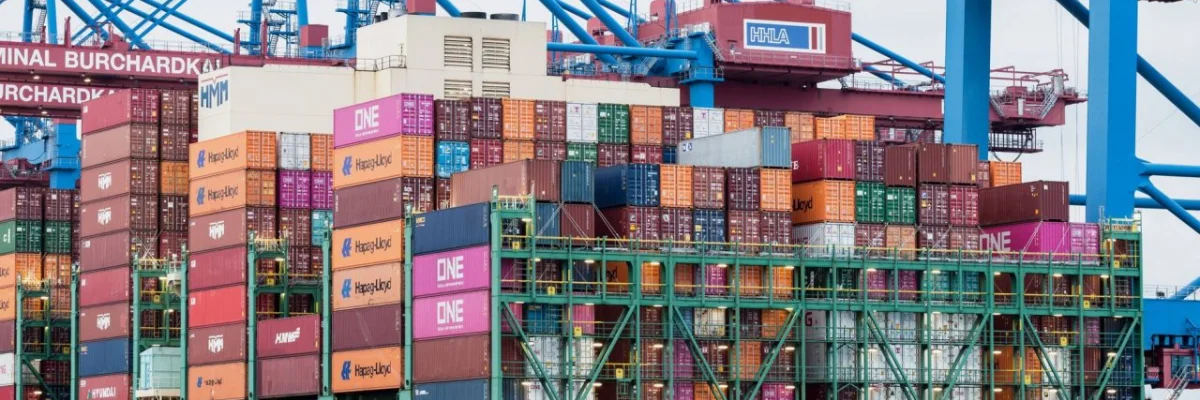
In the complex world of international trade, customs compliance acts as the backbone of every successful shipment. Freight forwarders often navigate a labyrinth of ever-changing regulations, tariffs, and documentation requirements that can delay cargo and incur heavy financial penalties. As supply chains become more digital, the margin for human error narrows while the expectation for real-time accuracy grows. Mastering the intricacies of import and export control is no longer just a technical necessity but a critical competitive advantage for logistics businesses aiming to provide seamless cross-border service for their global clientele in a volatile market.
The Importance of Automated Documentation

Automating your customs documentation is the most effective way to eliminate manual errors and speed up processing times. By integrating digital platforms into your existing workflows, you ensure that critical shipment data is accurate, consistent, and audit-ready at all times.
- Real-time data validation: Advanced software systems automatically check your shipment data against current customs regulations to identify potential discrepancies before they lead to costly delays at international border control points.
- Centralized document management: Storing all commercial invoices and packing lists in a secure cloud environment ensures that every team member accesses the most updated versions of essential paperwork.
- Electronic data interchange: Utilizing EDI protocols allows your software to communicate directly with customs authorities, ensuring faster submission times and immediate responses regarding the status of your cargo.
- Automated duty calculation: Integrated systems calculate applicable tariffs and taxes based on the latest commodity codes, preventing underpayment or overpayment of customs fees during the import process.
- Audit trail history: Digital platforms maintain a comprehensive log of every document change, which is vital for demonstrating full compliance during internal reviews or external government agency audits.
Adopting digital tools transforms how forwarders handle the heavy administrative burden of global shipping. By reducing the reliance on manual entry, companies gain more control over their operations and improve communication with clients. This proactive approach to compliance management mitigates risk significantly while freeing up your team to focus on high-value logistics strategy rather than getting stuck in repetitive paperwork and mundane data correction tasks.
Understanding International Tariff Classifications

Correctly classifying goods is a foundational skill for any professional freight forwarder. Misclassification often leads to significant fines or seized cargo, making it essential to use precise methods when identifying HS codes for diverse products moving across global borders.
- Precise commodity identification: Detailed product descriptions help you select the exact HS codes required for accurate duty assessment and regulatory compliance across every unique international trade lane involved.
- Regular system updates: Monitoring global tariff updates ensures that your software reflects the most current classification data, preventing outdated codes from causing unexpected shipment holdups or audits.
- Supplier verification processes: Engaging closely with manufacturers allows you to verify product specifications, which minimizes the risk of incorrect classifications based on vague or incomplete commercial documentation.
- Customs ruling databases: Accessing official customs portals provides definitive guidance on complex product categories, helping your team make informed decisions when handling specialized or sensitive cargo types.
- Training for staff: Continuous education on evolving international classification standards empowers your team to handle diverse shipments with confidence and precision during every single transit phase.
Precision in classification is the primary defense against legal trouble and unexpected costs. When you invest time in establishing robust classification protocols, you provide clients with the peace of mind that their shipments will clear customs without friction. This commitment to accuracy builds long-term trust and strengthens your reputation as a reliable logistics partner capable of handling even the most complex international trade requirements.
Managing Regulatory Changes Efficiently
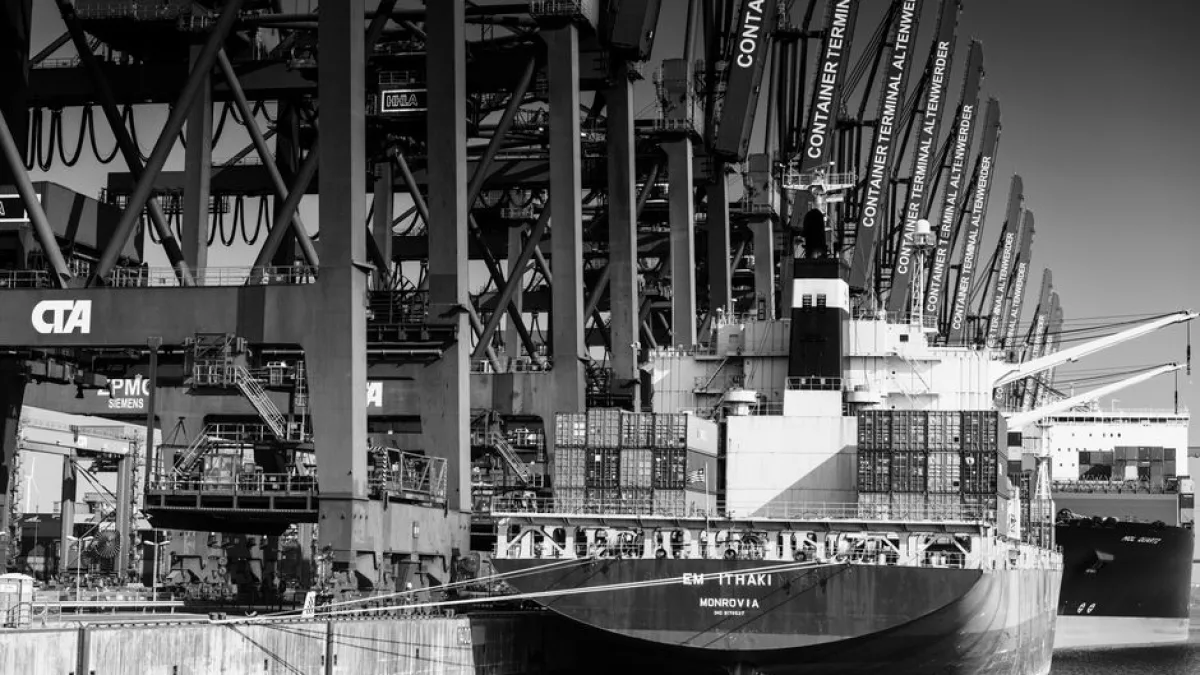
Regulatory landscapes are constantly shifting, requiring freight forwarders to remain agile and well-informed. Staying updated on new legislation is crucial for maintaining operational continuity and avoiding disruptions when local customs authorities implement sudden changes to their import requirements.
- Regulatory alert systems: Subscribing to trade news services and government notifications ensures your team receives immediate updates regarding new import laws and potential port security modifications.
- Cross-functional team updates: Internal communication channels should be used to share new compliance rules quickly, ensuring that every logistics coordinator follows the latest standard operating procedures.
- Policy review cycles: Scheduling quarterly audits of your compliance internal policies keeps your organization aligned with the current global trade environment and minimizes unexpected operational risks.
- Liaising with agencies: Building professional relationships with local customs officers can provide valuable insights into upcoming policy changes that may impact your specific trade routes.
- Scalable software integration: Using flexible cloud software allows you to adjust your compliance workflows instantly as new government mandates are introduced, ensuring zero service downtime.
Agility in the face of change is what separates top-tier forwarders from the rest of the industry. By creating a culture that prioritizes continuous learning and systemic updates, you can navigate legislative shifts with confidence. This proactive mindset protects your business against the volatility of international trade and demonstrates to your clients that you are always ready to overcome any regulatory hurdles that arise.
Building Stronger Customs Relationships

Strong professional connections with customs agencies often lead to smoother clearance processes and faster resolution times. When you treat customs officials as partners in trade, you create an environment of mutual respect that benefits your clients during every import operation.
- Proactive communication channels: Establishing regular contact with regional customs offices helps resolve minor issues before they escalate into major problems that could result in costly delays.
- Transparency in operations: Providing clear and honest information regarding your shipments encourages customs authorities to view your firm as a low-risk, compliant partner in international trade.
- Documentation quality assurance: Submitting perfectly formatted documents every time builds a positive track record with authorities, which may eventually lead to faster processing through preferred channels.
- Dispute resolution strategies: Having a formal process for addressing classification disputes shows your dedication to legality and cooperation, ensuring that conflicts are handled with professional diplomacy.
- Membership in associations: Participating in trade compliance associations gives your company a voice in policy discussions and access to best practices shared by other industry leaders.
Fostering positive relationships with customs authorities is a long-term investment that yields significant dividends for your logistics business. By acting with transparency and professional integrity, you simplify the clearance process and protect your clients from unnecessary stress. This relational approach transforms the intimidating prospect of customs compliance into a manageable, efficient part of your daily shipping operation and secures your firm's industry future.
Conclusion
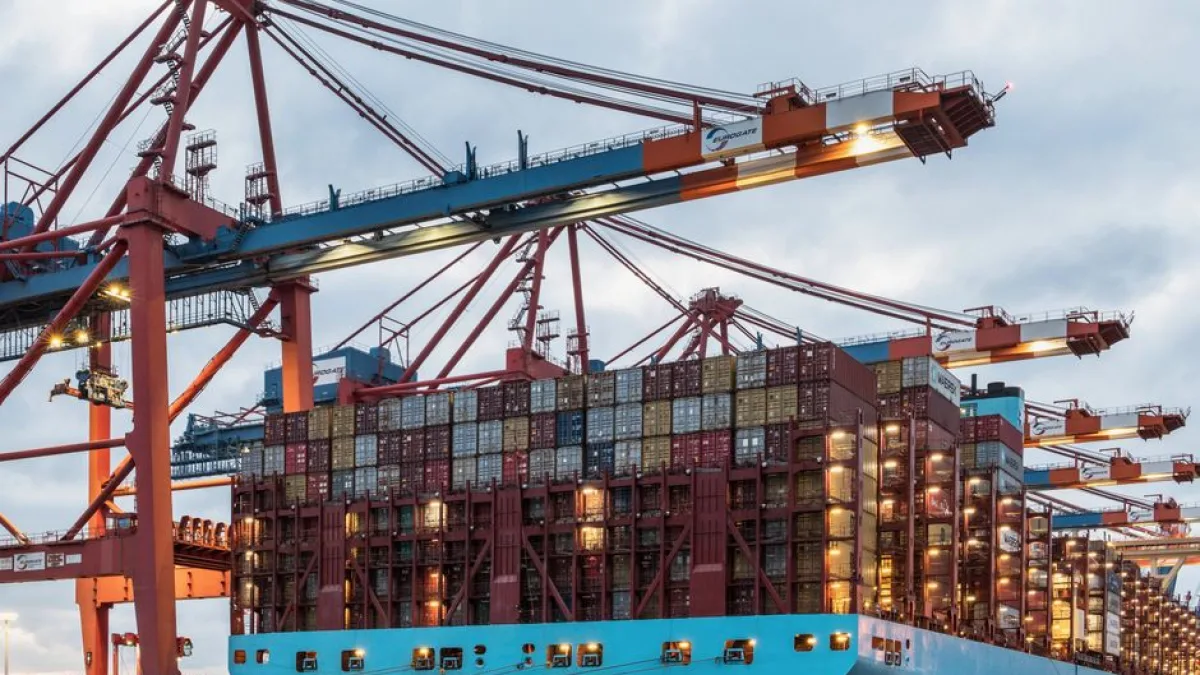
Maintaining high standards of customs compliance is the hallmark of an elite freight forwarding operation. By embracing technology, staying current on regulations, and fostering strong professional relationships, you can turn compliance from a burden into a distinct competitive advantage. MakeCargo provides the tools you need to streamline these complex processes, ensuring that your business remains compliant, efficient, and ready to scale in the global market.