Navigating Global Customs Compliance for Modern Freight Forwarders
Tuesday, September 22 2026

Global trade complexity is reaching unprecedented levels, forcing freight forwarders to prioritize accuracy and speed in their customs processes. Regulatory frameworks shift constantly, demanding that logistics providers remain agile and well-informed. Manual entry errors and outdated documentation represent significant risks to operational efficiency, often leading to costly delays or heavy penalties from border authorities. By embracing digital integration, companies can minimize human error and ensure that their compliance workflows remain robust. MakeCargo empowers professionals to navigate these regulatory waters with confidence, utilizing cloud-based solutions to automate declarations and harmonize multi-country data into a single, reliable source of truth.
Digitizing Essential Customs Documentation

Modernizing document management is the primary step toward reducing friction at international borders. Transitioning from paper-based systems to digital repositories allows teams to store, retrieve, and verify critical shipment information instantly, which significantly accelerates the overall customs clearance cycle for global shippers.
- Centralized data access: Maintain a single source of truth by hosting all customs documentation in a secure cloud environment accessible to stakeholders across different global time zones.
- Automated error detection: Leverage intelligent software features that scan input fields for common mistakes to prevent rejected declarations and minimize expensive delays during import or export.
- Version control systems: Ensure every team member works with the most recent document versions by utilizing automated updates that eliminate confusion and reduce potential compliance risks.
- Secure document archiving: Protect sensitive client data with robust encryption protocols that satisfy international privacy requirements while maintaining easy retrieval for future customs audits or reviews.
Adopting digital document management transforms how logistics firms handle the constant flow of international paperwork. By replacing static filing cabinets with dynamic cloud platforms, teams gain the ability to process shipments faster while ensuring consistent regulatory adherence. This strategic shift not only builds trust with clients but also prepares forwarders to scale their operations as international trade volumes grow more complex each year.
Leveraging Automated Tariff Classification
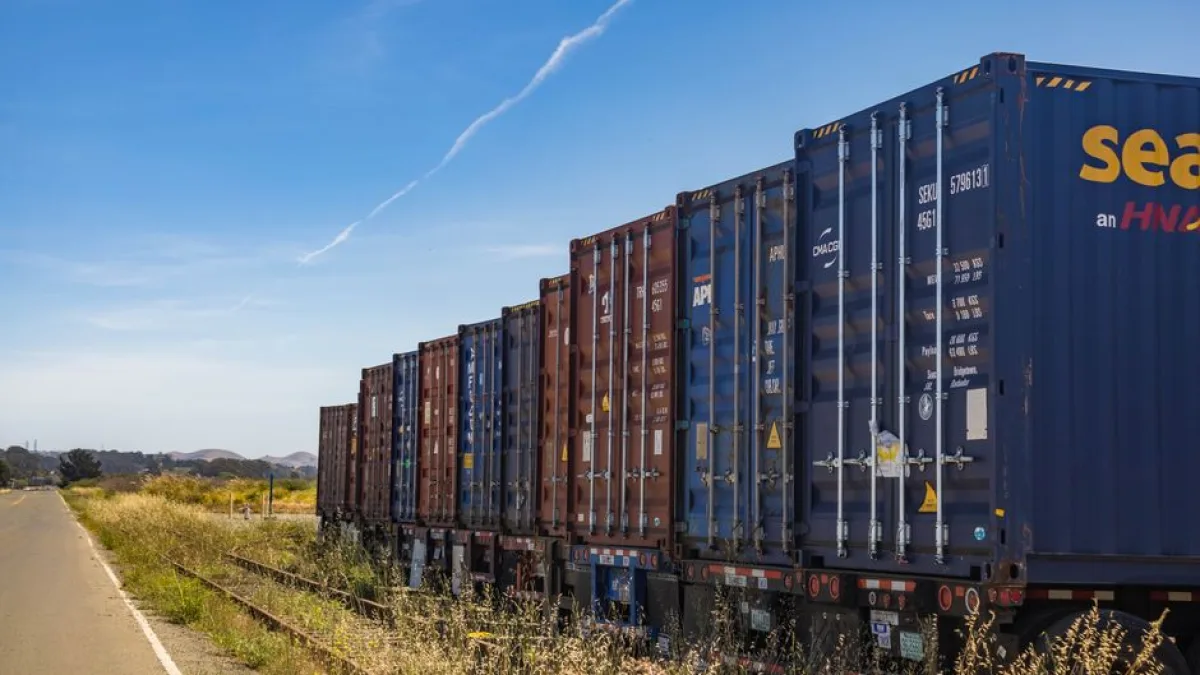
Accurate tariff classification is essential to avoid overpaying duties or triggering audits from tax authorities. Advanced software tools now assist forwarders in mapping goods to correct HS codes automatically, ensuring that every calculation remains precise while reducing manual workload for busy staff members.
- Automated HS lookup: Use integrated database tools to search and apply the correct Harmonized System codes, preventing inconsistencies that frequently lead to administrative delays at border points.
- Real-time tax calculations: Apply dynamic duty and tax calculators that pull live data to provide accurate financial projections for your clients before the cargo ever ships.
- Regulatory rule updates: Stay current with shifting trade agreements and tariff schedules through automatic software updates that reflect the latest international legislative changes in real time.
- Audit trail history: Capture every classification decision made during the shipment process, providing a comprehensive record that simplifies future internal reviews and external customs agency inquiries.
Automated classification systems represent a massive leap forward for freight forwarders managing high-volume trade. By removing the guesswork from HS coding, firms can guarantee that their clients remain compliant while avoiding the financial headaches of duty underpayment. Investing in these technical solutions creates a reliable framework for handling complex international goods, ultimately protecting your company reputation and ensuring long-term operational success and stability.
Strengthening Regulatory Risk Management
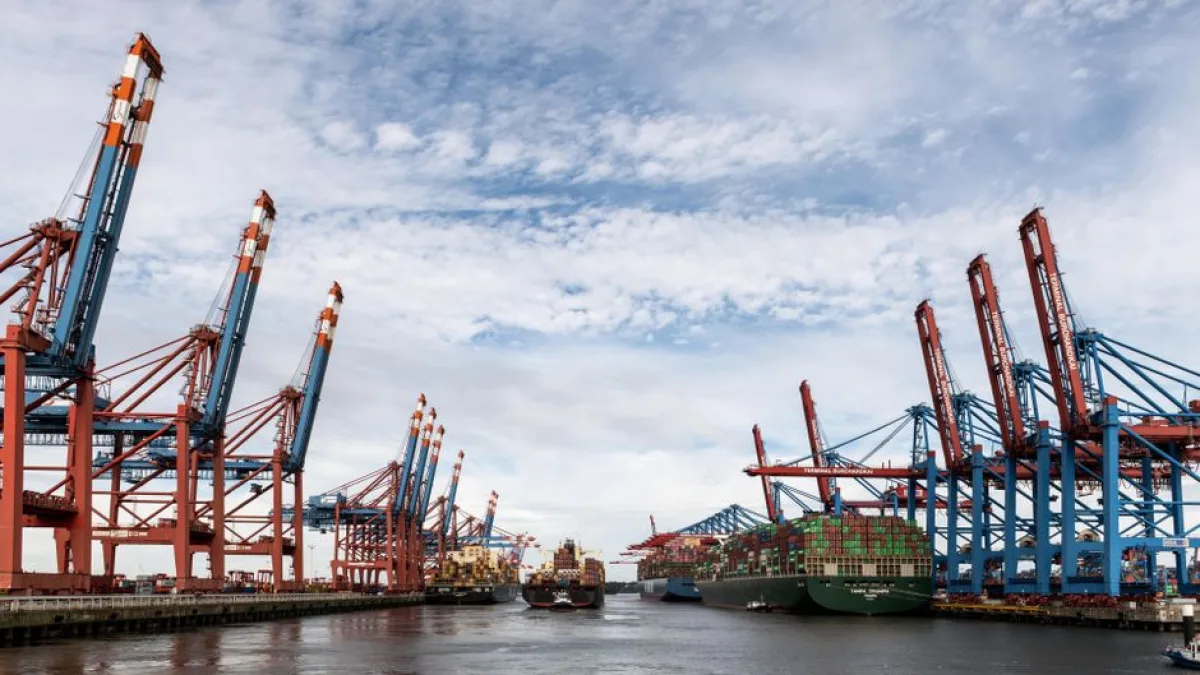
Risk management involves proactive strategies to identify potential compliance gaps before they escalate into severe legal issues. By implementing rigorous verification checks and monitoring global trade alerts, freight forwarders can shield their organizations from the volatility inherent in international shipping regulations.
- Proactive monitoring systems: Utilize automated alerts that notify your compliance team of changes in import laws or sanctions lists, allowing for immediate adjustment of ongoing logistics operations.
- Vendor verification workflows: Implement strict background checks for all supply chain partners to ensure that every participant meets your internal quality standards and legal requirements.
- Internal audit scheduling: Set up automated reminders to conduct regular assessments of your customs processes, ensuring that internal practices evolve alongside the broader regulatory landscape daily.
- Standardized operating procedures: Create digital checklists that force consistency across every team, making certain that essential compliance steps are never overlooked during high-pressure shipping windows.
Managing risk effectively requires a commitment to continuous oversight and structured process improvement. When freight forwarders treat compliance as an integral part of their business strategy rather than an afterthought, they reduce the likelihood of costly border interventions. This systematic approach allows companies to focus on growth and customer service, knowing that their foundational compliance architecture is secure, resilient, and prepared for audits.
Enhancing Stakeholder Data Transparency

Transparency in data sharing is vital for maintaining healthy relationships with clients and regulatory agencies alike. Providing real-time visibility into the customs status of shipments builds confidence and ensures that all parties can make informed decisions based on the most current and accurate information available.
- Customer portal access: Offer your clients a dedicated portal where they can view the real-time status of their customs declarations and access necessary financial documents instantly.
- Customizable reporting tools: Generate automated compliance reports that summarize performance metrics for your clients, helping them understand their own supply chain efficiencies and potential cost savings.
- Unified communication logs: Maintain an audit-ready log of all communications between stakeholders and customs authorities, ensuring complete clarity regarding the history of every international shipment movement.
- API data integration: Connect your customs software directly with client ERP systems to ensure seamless data flow and prevent errors that occur during manual information transfers.
Data transparency is the hallmark of a professional and reliable freight forwarding partnership. By providing stakeholders with clear insights into customs processes, companies demonstrate a high level of accountability and operational maturity. Embracing open, digital communication channels not only streamlines the daily workflow but also positions your firm as a modern leader capable of delivering excellent service in a competitive global market.
Conclusion
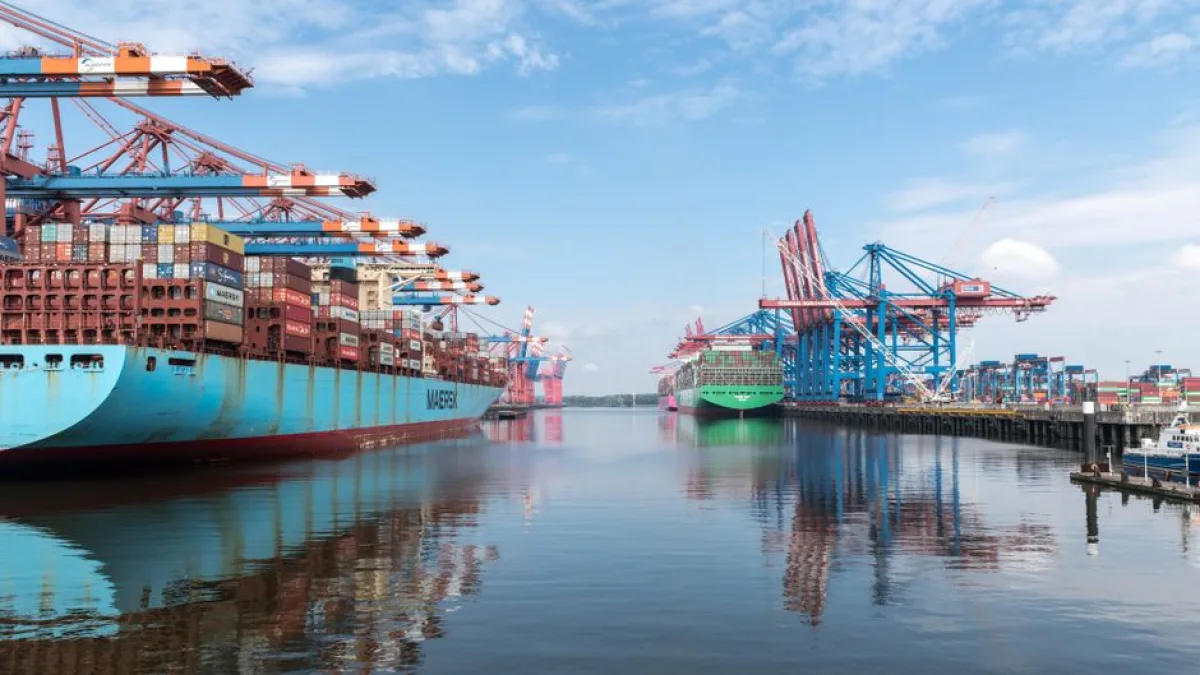
Mastering customs compliance is essential for any modern freight forwarder aiming to achieve sustainable growth in the global market. By digitizing documentation, automating classification, managing risks, and fostering transparency, your team can overcome the complexities of international trade with ease. Start leveraging MakeCargo to optimize your compliance workflows today and ensure your logistics operations remain efficient, accurate, and fully aligned with global trade regulations.