Navigating Global Customs Compliance for Modern Freight Forwarders
Sunday, October 18 2026

Global trade demands an intricate balance between speed and regulatory adherence. For freight forwarders, customs compliance is no longer a peripheral concern but the backbone of operational success. As governments update digital reporting requirements and trade policies become increasingly volatile, professionals must adopt proactive strategies to mitigate risk. Manual processes often lead to costly delays, audit failures, and eroded client trust. By leveraging cloud-based platforms and real-time data integration, forwarders can transform compliance from a bottleneck into a competitive advantage. This guide explores the essential pillars of maintaining regulatory excellence in an era of unprecedented supply chain complexity and digital oversight.
The Digital Transformation of Documentation
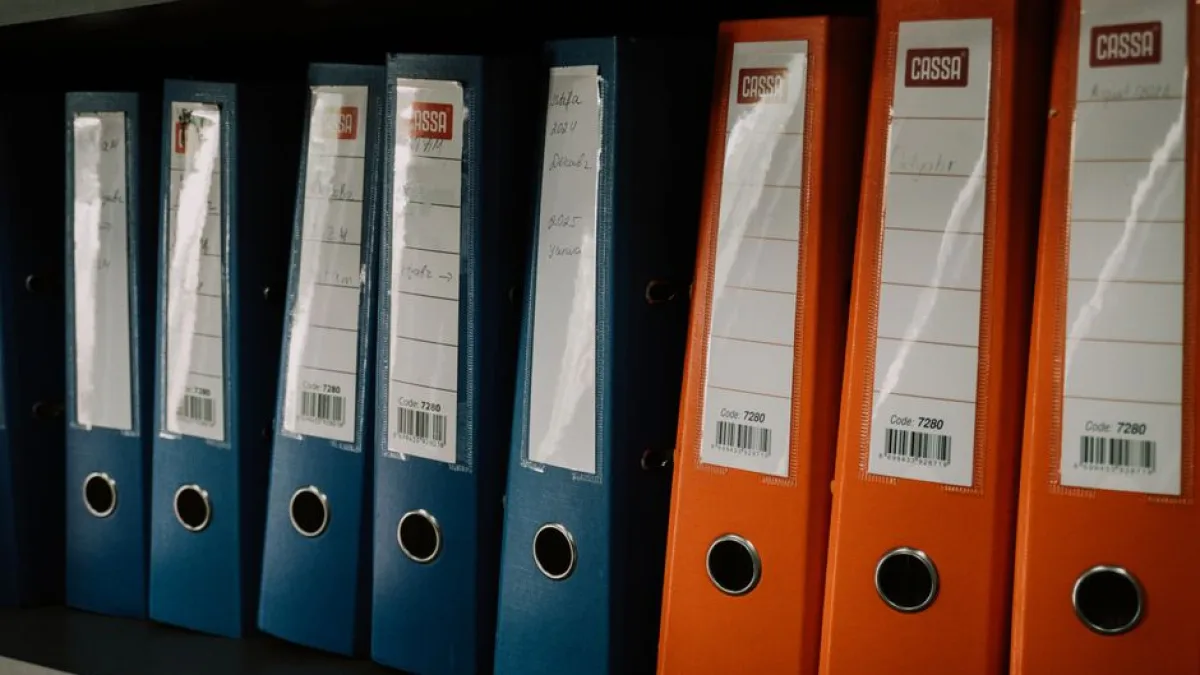
Digitization is changing how cargo documentation is processed and approved at borders globally. Relying on physical paper trails causes avoidable backlogs that harm shipping schedules. Forwarders who embrace automated submission systems ensure accuracy while providing clients with transparent and reliable status updates.
- Real-time data synchronization: Cloud platforms integrate directly with customs authorities to ensure that all documentation is validated instantly, reducing the risk of human error during manual data entry processes.
- Automated classification engines: Smart software tools automatically match shipment details with accurate HS codes to prevent misclassification penalties and ensure that duties are calculated correctly for every single shipment.
- Secure document repository: Maintaining a centralized and encrypted archive of all trade documents allows your team to retrieve critical compliance evidence within seconds during mandatory regulatory customs audits.
- Seamless partner integration: Digital interfaces connect freight forwarders with agents and carriers globally, fostering a unified environment where information flows securely without the need for redundant manual communication loops.
Adopting digital workflows minimizes the administrative burden that traditional customs procedures impose on growing logistics teams. When documentation moves at the speed of data, forwarders gain the agility to manage sudden shifts in regulatory mandates. This transition protects your firm against fines and delays while simultaneously improving the customer experience through consistent, error-free reporting and faster clearance times across major international trade ports.
Mastering International Trade Regulations

Understanding the dynamic landscape of international trade agreements requires constant monitoring and deep regional expertise. Regulatory frameworks vary significantly by country, making it difficult for forwarders to maintain consistent compliance protocols across diverse global shipping lanes and complex trade corridors.
- Regional policy updates: Expert software alerts notify your team whenever trade policies change, ensuring that you apply the current duty rates and import restrictions to every new project.
- Proactive duty management: Advanced analytics help forwarders track fluctuating tariff levels, allowing clients to make informed logistics decisions based on the most accurate and recent global fiscal data.
- Trade agreement utilization: Automatically identifying applicable free trade agreements helps forwarders leverage preferential duty treatment, which significantly reduces total landed costs for your valued high volume import clients.
- Compliance training modules: Modern software platforms often include integrated learning resources that keep your staff updated on emerging regulations, helping them handle complex international shipments with professional confidence.
Regulatory expertise serves as the primary barrier against shipment seizure and heavy financial penalties that often stem from inadequate oversight. By utilizing specialized tools to manage trade agreements and policy variations, your team can guarantee that every cargo movement adheres strictly to local laws. This dedication to precision solidifies your reputation as a reliable logistics partner capable of navigating complex global trade.
Risk Mitigation and Audit Readiness

Preparation is the strongest defense against the unpredictable nature of customs inspections. Establishing robust audit trails ensures that your operation remains transparent and accountable. Freight forwarders must treat every entry as a potential target for investigation to maintain long-term operational health and security.
- Comprehensive audit logs: Detailed digital records track every change made to a customs filing, providing a transparent history that satisfies authorities during any potential review or audit.
- Predictive risk scoring: Integrated algorithms assess your filings for potential flags before submission, allowing your team to rectify issues before they escalate into formal customs holds.
- Automated internal reviews: Systems flag discrepancies in value, weight, or origin codes, which helps forwarders identify and fix systemic errors before they trigger expensive regulatory agency audits.
- Vendor compliance monitoring: Monitoring the performance of customs brokers and downstream partners ensures that your entire network meets the high standards required to protect your business license.
Proactive risk management protects your company from the devastating impact of license revocation or repeated shipments of seized goods. By building a culture of audit readiness, you transform compliance into a streamlined operational routine rather than a frantic reactive task. This approach fosters a sense of security for your clients while streamlining internal workflows and minimizing the impact of unexpected government inspections.
Leveraging Technology for Scalable Compliance

Scalability requires a technological foundation that can handle increased volume without sacrificing compliance quality. As your freight forwarding business expands into new markets, your infrastructure must adapt to support more complex regulatory demands across different continents without requiring proportional increases in administrative staff.
- Cloud infrastructure flexibility: Hosting compliance tools in the cloud allows your team to access vital information from anywhere, ensuring that global operations remain synchronized and consistently managed.
- API connectivity benefits: Connecting your management software with third-party customs systems creates a seamless bridge for data transfer, effectively removing the manual constraints that usually limit operational growth.
- Unified platform dashboards: Centralized visibility lets managers monitor customs compliance across multiple locations, providing the oversight necessary to maintain standards while your business continues to rapidly scale.
- Automated reporting features: Custom reporting tools generate performance metrics that help leadership identify bottlenecks, ensuring that compliance processes stay efficient even as your total shipment volume grows.
Modern software enables your firm to handle higher volumes while maintaining the meticulous attention to detail that customs authorities demand. By automating routine verification and submission tasks, you free your professionals to focus on high-level strategy and client relationship management. Scalable systems ensure that your commitment to compliance remains unwavering, regardless of how quickly your global footprint continues to expand over time.
Conclusion
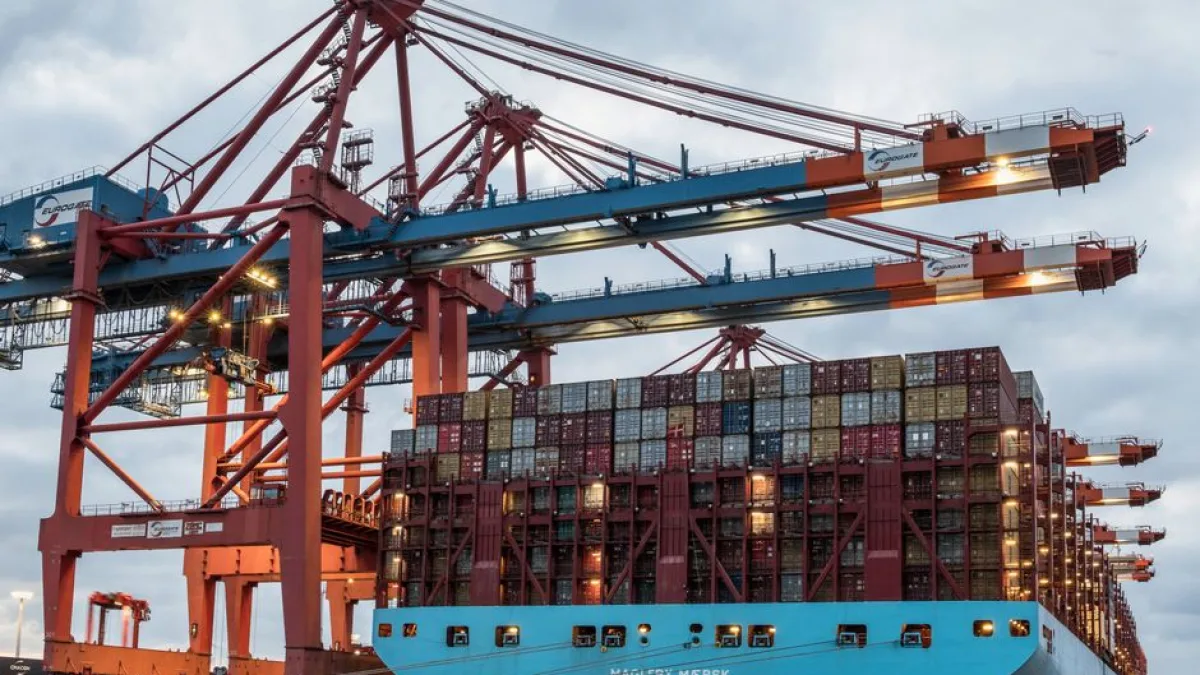
Maintaining customs compliance is essential for the sustainable growth of any freight forwarding enterprise. By integrating digital tools, monitoring policy changes, and prioritizing audit readiness, forwarders can effectively navigate the complexities of global trade. MakeCargo empowers your team to streamline these critical processes, reducing risk and driving operational efficiency. Start optimizing your compliance strategy today to ensure seamless international cargo movement.