Navigating Global Freight Shifts in a Digital Era
Wednesday, August 19 2026

The global logistics landscape is undergoing a profound transformation driven by rapid technological adoption and fluctuating trade policies. Freight forwarding professionals now face the dual challenge of maintaining operational efficiency while adapting to unpredictable supply chain disruptions. As international shipping corridors become more complex, the reliance on manual tracking and legacy spreadsheet systems is proving unsustainable. Modern businesses require agility and precision to manage capacity constraints effectively. By leveraging cloud-based platforms, forwarders can gain real-time visibility and strategic insights necessary to thrive in this high-stakes environment, ultimately transforming potential logistical bottlenecks into competitive advantages for their diverse range of global clients.
The Rise of Automated Documentation

Automated documentation software has become the backbone of modern freight operations, replacing outdated paper trails with seamless digital workflows. By minimizing human intervention in repetitive data entry tasks, forwarders can significantly reduce expensive administrative errors while accelerating cross-border clearance times for international shipments.
- Improved Data Accuracy: Automated systems eliminate common transcription mistakes caused by manual entry, ensuring that every shipping manifest and customs declaration aligns perfectly with the primary shipment information provided by shippers.
- Faster Processing Speeds: Digital tools drastically shorten the time required to generate complex transport documents, allowing your team to focus on resolving urgent logistical issues rather than tedious paperwork.
- Regulatory Compliance Standards: Integrated software solutions update automatically to reflect changing international trade regulations, protecting your business from potential penalties or shipment delays caused by outdated compliance documentation practices.
- Centralized Information Hub: Cloud platforms provide a single source of truth for all documentation, making it easy for authorized team members to access vital files from any location worldwide.
- Cost Reduction Benefits: Reducing the reliance on physical courier services and manual filing systems lowers operational overhead significantly, providing a tangible return on investment within the first few months of implementation.
Transitioning toward a fully digital documentation framework is no longer a luxury but a fundamental necessity for growth. Companies that successfully embrace these automated tools find themselves better positioned to scale operations without proportional increases in staffing costs. This shift allows logistics providers to reallocate valuable resources toward client relationship management and long-term strategic planning, ensuring sustained profitability in an increasingly crowded global freight marketplace today.
Optimizing Warehouse Capacity Management
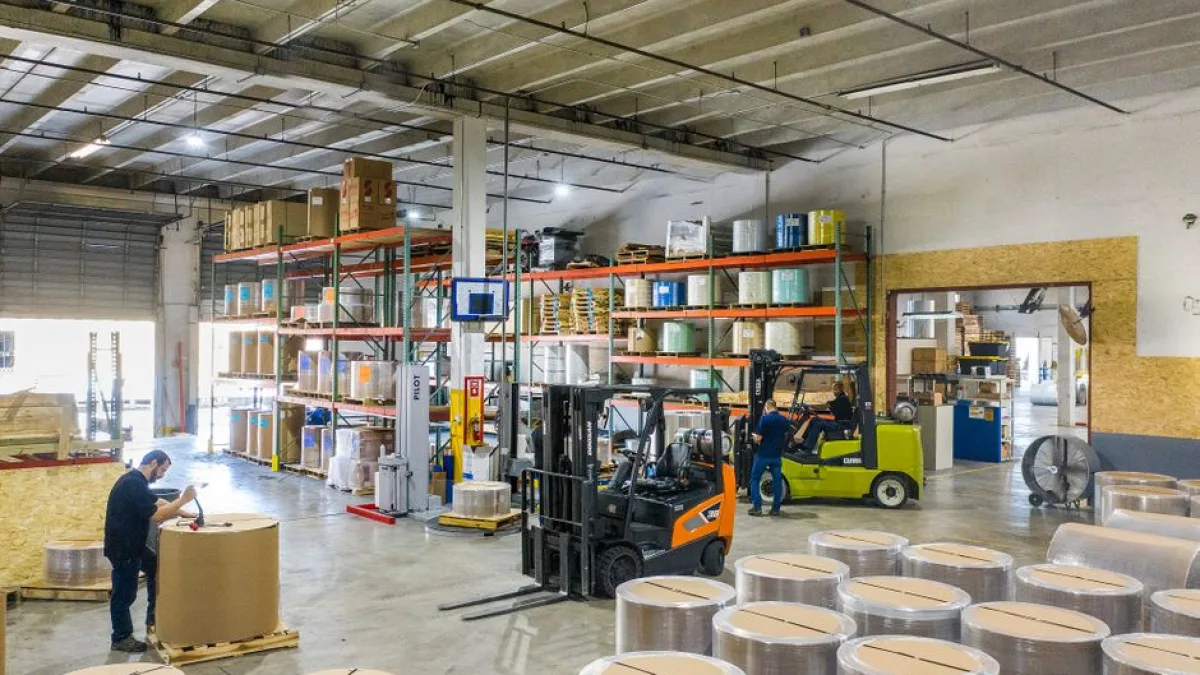
Effective warehouse management requires a dynamic approach to space utilization that aligns with current inventory turnover rates. Forwarders are now integrating predictive analytics to anticipate storage needs, ensuring that cargo flow remains steady even during peak seasonal demand periods across major global logistics hubs.
- Dynamic Slotting Strategies: Intelligent software analyzes inventory velocity to place high-demand goods near loading docks, significantly reducing retrieval times and physical effort for warehouse staff during the busy shipping season.
- Real-time Inventory Tracking: Advanced sensors and scanning technologies provide constant updates on stock levels, preventing overstock situations while ensuring essential cargo is always ready for immediate transit and distribution.
- Space Utilization Metrics: Comprehensive data dashboards offer deep insights into facility density, allowing managers to maximize every square foot of available storage space for maximum operational efficiency during peak.
- Labor Allocation Efficiency: By tracking workflow patterns, managers can deploy personnel precisely where they are needed most, reducing downtime and optimizing the overall productivity of your warehouse operations team.
- Safety Protocol Enhancements: Digital monitoring of equipment and storage racks helps identify maintenance needs before they become hazardous, keeping the entire facility compliant with international health and safety standards.
Refining your warehouse processes is essential for maintaining a responsive supply chain that satisfies demanding clients. By utilizing smart capacity management tools, you transform your physical footprint into a highly efficient engine that supports seamless freight movement. These improvements foster a reliable reputation, positioning your business as a preferred partner for complex logistics operations that require consistent precision, safety, and rapid turnaround times.
Leveraging Real-time Tracking Technologies

Real-time visibility tools represent a major leap forward for transparency in the freight industry. These systems provide shippers with minute-by-minute updates, effectively removing the uncertainty that often plagues long-haul ocean or air transit routes in our modern global trade environment.
- Enhanced Client Communication: Providing customers with live tracking portals builds immense trust, as they can monitor their shipments independently without needing to call your office for status updates daily.
- Proactive Issue Resolution: Automated alerts notify your team immediately when a vessel experiences delays or re-routing, allowing you to inform clients early and propose alternative solutions before problems escalate.
- Carrier Performance Analysis: Consistent tracking data allows you to evaluate the reliability of various carriers, helping you make informed decisions when selecting partners for future high-priority shipping routes.
- Route Optimization Insights: Analyzing historical tracking data reveals patterns that help identify the fastest transit routes, allowing you to suggest more efficient shipping options to your valued clients consistently.
- Reduced Operational Anxiety: Eliminating the guessing game regarding cargo location significantly reduces stress for both your team and your clients, creating a more professional and streamlined service experience.
Integrating advanced tracking technology empowers your team to stay ahead of potential disruptions. When your clients have direct access to accurate shipping data, they feel more confident in your services and are more likely to commit to long-term partnerships. This level of transparency serves as a powerful differentiator in the freight forwarding market, demonstrating a commitment to service quality and technological excellence every day.
Future Trends in Sustainable Logistics

Sustainability is becoming a core pillar of the freight forwarding industry as businesses aim to lower their carbon footprint. Implementing eco-friendly shipping practices not only helps the environment but also aligns with the growing demand for corporate responsibility among international cargo shippers.
- Green Carrier Selection: Prioritizing partnerships with shipping lines that utilize modern, low-emission vessels helps reduce the overall environmental impact of your client shipments while supporting global industry sustainability targets.
- Route Efficiency Optimization: Advanced algorithms calculate the shortest and most energy-efficient paths for cargo, reducing fuel consumption across all modes of transport including air, sea, and land freight.
- Paperless Operational Mandates: Shifting entirely to digital communication reduces the demand for physical resources, contributing to a leaner operation that honors modern environmental standards for the logistics industry worldwide.
- Carbon Reporting Capabilities: Integrated software tools can calculate and report carbon emissions for every shipment, providing your clients with the data they need to meet their own sustainability goals.
- Energy-Efficient Facility Upgrades: Investing in solar power or automated energy management for your offices and warehouses reduces operational costs while showcasing your commitment to a cleaner future for logistics.
Embracing sustainable practices is a strategic move that benefits both the planet and your business bottom line. By positioning your company as an environmentally conscious leader, you attract clients who prioritize sustainability in their supply chain procurement. This forward-thinking approach ensures your business remains relevant and competitive, proving that professional logistics excellence and environmental stewardship can coexist to drive long-term global growth.
Conclusion

Navigating the evolving freight sector requires a blend of technological adoption and strategic human insight. By embracing automated documentation, smarter warehouse management, real-time tracking, and sustainable initiatives, forwarders can confidently face future challenges. Start optimizing your digital infrastructure today to build a more resilient, efficient, and profitable logistics business that consistently delivers value to clients across the globe in this fast-paced market.