Navigating Global Freight Shifts in 2024
Sunday, September 27 2026
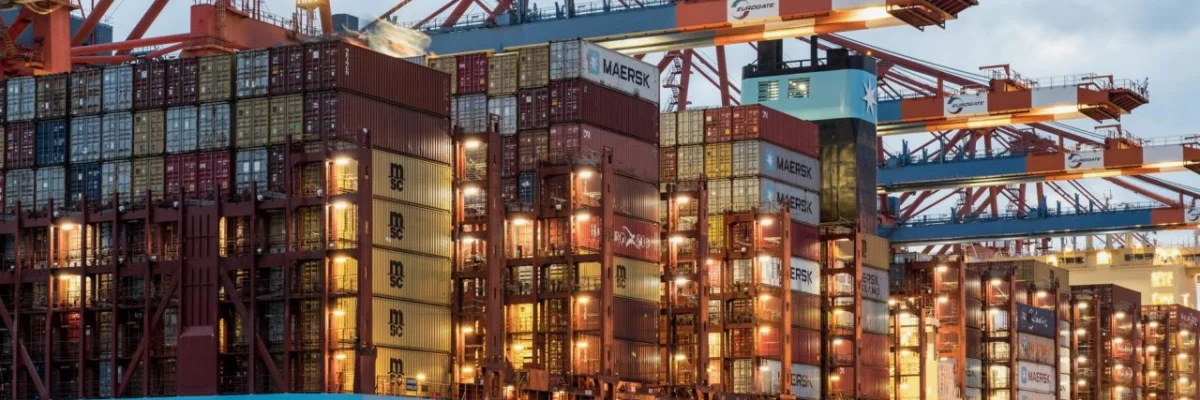
The global logistics landscape is undergoing a massive transformation driven by technological advancements and shifting economic trade routes. Freight forwarders must now balance rising consumer expectations for real-time visibility with the complexities of multi-modal transportation networks. As sustainability becomes a core operational requirement rather than just a buzzword, businesses are finding that traditional manual workflows are no longer sufficient to keep pace with demand. By adopting cloud-based solutions, forwarders can enhance their operational agility, reduce carbon footprints, and maintain competitive edges in a market defined by rapid change, regulatory pressure, and the need for data-driven strategic planning.
Digital Transformation Imperatives

Modernizing legacy systems is the primary challenge for forwarders aiming to stay relevant in an increasingly automated world. Digital transformation allows for seamless integration across the entire supply chain, ensuring that data flows without friction between shippers, carriers, and customs agents.
- Automated documentation workflows: Implementing automated document processing reduces the likelihood of human error during complex customs filings while significantly accelerating the overall clearance process for international cargo shipments across all ports.
- Cloud based integration: Utilizing cloud platforms enables teams to access critical shipment data from any location, fostering better collaboration and faster decision-making for complex global logistics challenges today.
- Real time tracking: Advanced tracking tools provide end to end visibility, allowing freight forwarders to proactively manage potential delays and keep clients informed with precise and reliable shipment updates.
- Data driven analytics: By leveraging historical data and predictive modeling, companies can optimize their routing strategies, reducing operational costs while improving service reliability for their diverse global client base.
Adopting digital tools is no longer optional for growth. It serves as the backbone of efficiency for forwarders who want to scale their operations. As we move forward, companies that prioritize digital infrastructure will naturally outperform those relying on paper or spreadsheets. This shift not only empowers your internal teams but also builds deeper trust with your clients through transparent and reliable service performance.
Optimizing Ocean Freight Routes
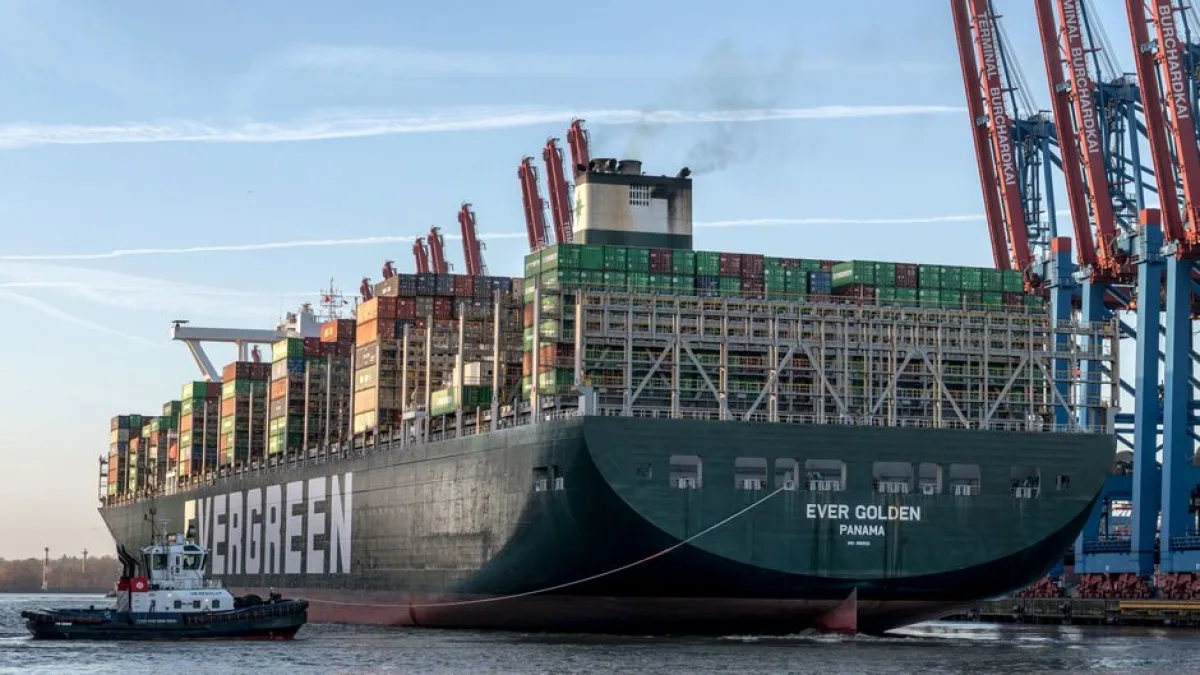
The volatility in ocean freight pricing continues to challenge bottom lines across the industry. Forwarders are now utilizing sophisticated routing software to identify the most cost effective paths, minimizing the impact of port congestion and global maritime disruptions that frequently occur.
- Dynamic route optimization: Intelligent algorithms analyze vessel schedules and congestion patterns to suggest the most efficient transit paths, saving valuable time and fuel costs for every international shipping voyage.
- Carrier performance management: Monitoring carrier reliability helps forwarders make informed decisions about booking space, ensuring that cargo reaches its destination on time even during periods of heavy seasonal peak demand.
- Predictive capacity planning: Advanced forecasting models allow teams to anticipate space shortages before they happen, enabling forwarders to secure cargo allocations well in advance of market fluctuations.
- Cost benchmarking tools: Accessing real time market rates and benchmarking helps forwarders provide transparent pricing to their clients, maintaining fair margins while remaining competitive in the global shipping sector.
Smart route management is the difference between profit and loss in the modern maritime environment. By shifting from reactive to proactive planning, your firm can navigate choppy waters with confidence. This strategic approach to ocean freight management ensures that your capacity is always optimized, leading to stronger relationships with carriers and ultimately providing your customers with the reliability they expect in today's demanding market.
Sustainability in Logistics
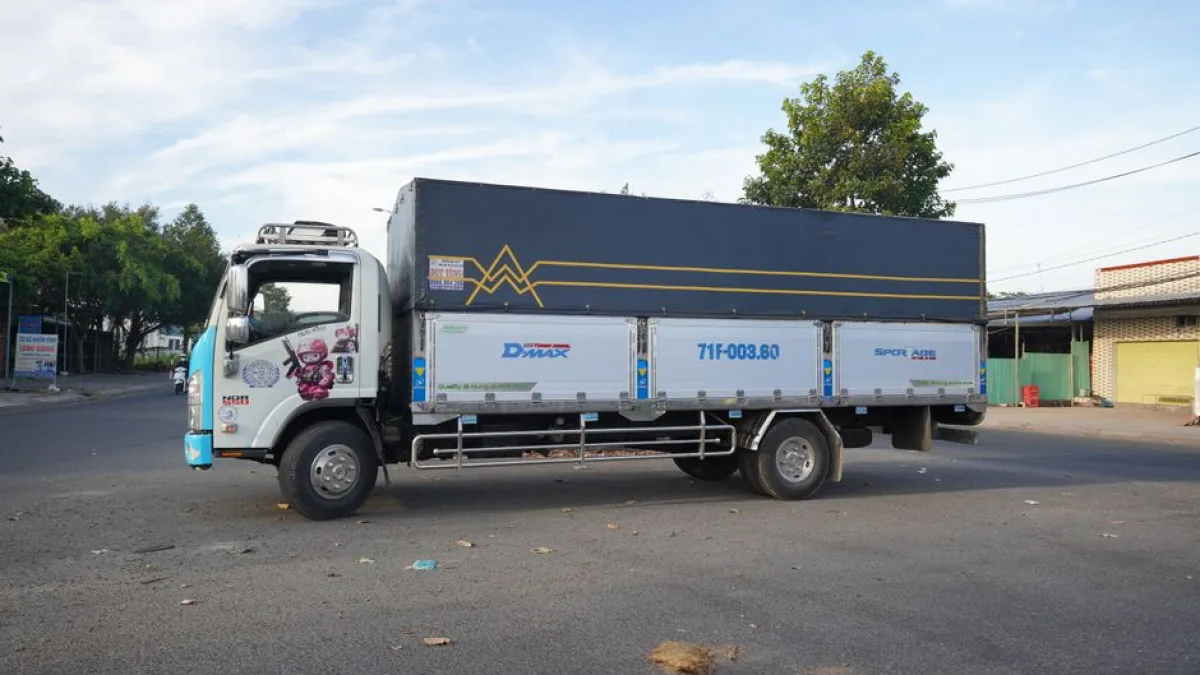
Reducing carbon emissions has become a high priority for international shipping clients and regulatory bodies alike. Freight forwarders are now exploring green alternatives to traditional fuel usage and carbon offset programs to align with modern corporate social responsibility standards and goals.
- Carbon emission tracking: Integrating automated carbon reporting tools gives clients full visibility into their supply chain footprint, allowing them to make informed decisions about their own sustainability initiatives and targets.
- Green fuel initiatives: Partnering with carriers that prioritize biofuels or renewable energy helps reduce the total environmental impact of your shipping operations while meeting modern green compliance standards.
- Route emission reduction: Efficient load planning and route optimization lead directly to reduced fuel consumption, which effectively lowers the overall greenhouse gas emissions produced during international transport operations.
- Eco friendly packaging: Advising clients on efficient cargo consolidation and sustainable packaging solutions helps to minimize wasted space and resources throughout the entire product delivery cycle for customers.
Sustainability is now a core differentiator for forwarders competing for enterprise accounts. Incorporating green strategies into your workflow demonstrates leadership and environmental stewardship to your partners. By actively managing and reporting on emission levels, your company positions itself as a forward thinking entity, ready to meet the strict requirements of international trade agreements while contributing positively to global climate change mitigation efforts.
Managing Customs Compliance

Complexity in international trade regulations requires expert handling to avoid costly delays and legal penalties. Freight forwarders must ensure that their compliance teams are equipped with updated software that tracks changes in customs laws and global trade tariff structures daily.
- Automated tariff updates: Systems that receive direct updates from government databases help ensure accurate duty calculations, preventing overpayment or underpayment on complex international shipments for all of your clients.
- Regulatory compliance monitoring: Ongoing monitoring of changing trade laws and import restrictions keeps your operations compliant, effectively protecting your reputation and avoiding significant fines during international customs clearance procedures.
- Streamlined document filing: Unified digital document management systems ensure that all required import and export paperwork is organized, accurate, and ready for fast submission to relevant local authorities.
- Risk management frameworks: Establishing robust risk management protocols allows your team to identify potential compliance gaps early, preventing costly shipment seizures and ensuring smooth passage across international borders.
Staying ahead of regulatory changes is vital for maintaining a smooth supply chain flow. A proactive approach to customs management reduces friction and builds long term security for your client cargo. As trade laws continue to evolve, investing in specialized software that automates compliance tasks ensures that your team can focus on growth while maintaining the highest possible standards of professional service execution.
Conclusion

The future of freight forwarding lies in the intersection of advanced technology and proactive operational strategies. By embracing digital integration, optimizing routes, prioritizing sustainability, and ensuring strict customs compliance, your firm can thrive despite ongoing market challenges. Now is the time to audit your current workflows and invest in tools that drive efficiency and transparency. Build your foundation with MakeCargo to secure your success.