Navigating Global Freight Shifts in 2024
Monday, October 5 2026

The global logistics landscape is undergoing a massive transformation as freight forwarders face unprecedented challenges ranging from geopolitical instability to rapidly evolving consumer expectations. Digital transformation is no longer a luxury but a fundamental requirement for companies aiming to maintain competitive margins in an increasingly complex supply chain environment. By leveraging advanced cloud technology and real time data analytics, forwarders can successfully mitigate risks, optimize route planning, and provide superior transparency to their clients. Staying informed about these macro trends is essential for any professional committed to operational excellence and sustainable growth in the modern international shipping industry.
Digital Transformation Imperatives

Modern freight forwarding relies heavily on the integration of cloud platforms to manage complex data flows and document processing. Digital adoption allows teams to move away from manual spreadsheets and embrace automated workflows that enhance productivity while reducing human error during shipments.
- Automated Documentation Processing: Intelligent software now automates the creation of bills of lading and customs declarations, significantly reducing the administrative burden on your operations team during peak seasonal cargo volumes.
- Cloud Based Collaboration: Centralizing communication within a single cloud platform ensures that all global stakeholders have access to the same information, which prevents costly miscommunications and delays in documentation.
- Real Time Tracking: Advanced software integrates directly with carrier APIs to provide live updates, allowing forwarders to proactively notify customers about potential disruptions before they actually impact the cargo.
- Data Driven Forecasting: Analytical tools use historical shipment data to predict future trends, helping companies adjust their capacity requirements and pricing strategies to align with fluctuating market demand cycles.
Adopting these digital solutions creates a foundational change in how freight forwarders handle daily tasks and long term strategy. By removing bottlenecks in communication and documentation, teams can focus their energy on building strong customer relationships and scaling operations globally. Consistency in digital usage leads to higher client satisfaction and better retention rates, ultimately driving long term profitability and organizational resilience in tough markets.
Supply Chain Resiliency Strategies
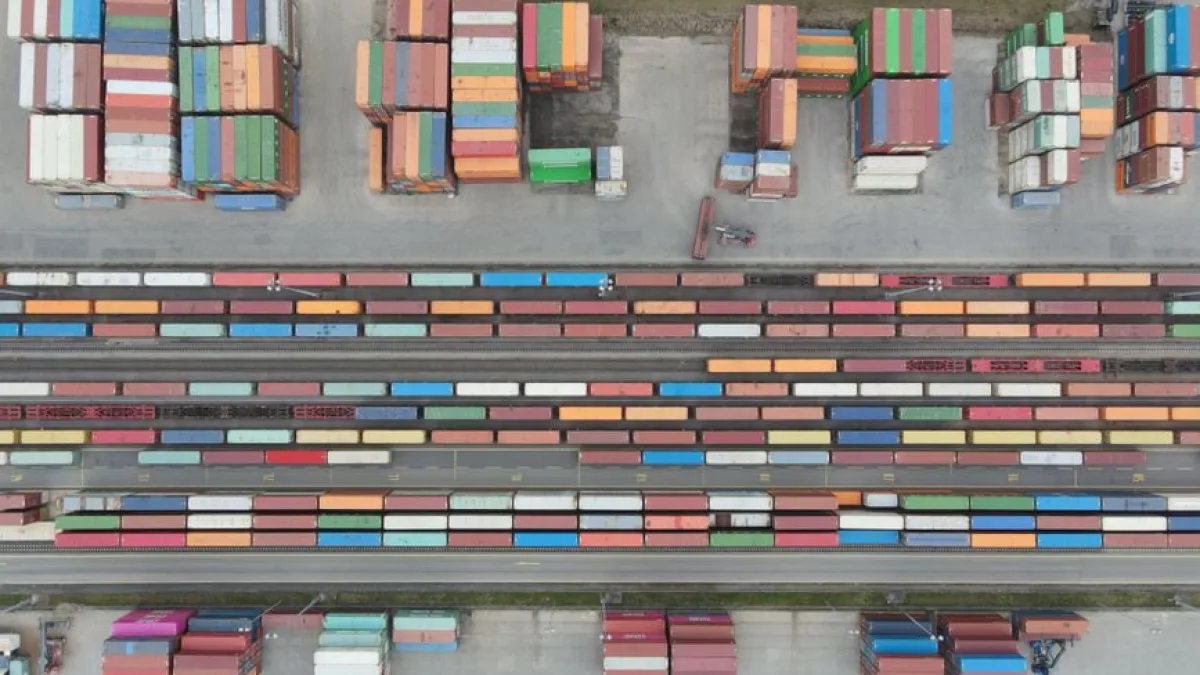
Building a resilient supply chain requires forwarders to diversify carrier partnerships and implement robust contingency plans for unforeseen events. Reliance on single corridors or limited transport modes increases exposure to risk, making strategic diversification a primary goal for modern logistics firms.
- Carrier Portfolio Diversification: Maintaining relationships with multiple ocean and air carriers provides flexibility, allowing you to quickly shift cargo when specific routes face sudden congestion or industrial action.
- Risk Assessment Modeling: Sophisticated software enables forwarders to map out potential risks across different regions, allowing for proactive planning that minimizes the impact of political or environmental disruptions.
- Inventory Visibility Tools: Implementing end to end visibility tools allows forwarders to monitor cargo status from origin to final destination, ensuring that bottlenecks are identified immediately during transit.
- Agile Routing Solutions: Forwarders now use specialized software to quickly recalculate transport routes, ensuring that shipments remain on schedule even when major global shipping lanes become obstructed or unavailable.
Operational agility serves as the cornerstone of a successful forwarding business in today volatile global market. By focusing on multi-modal transport strategies and proactive monitoring, companies can safeguard their cargo against unpredictable events. This approach not only protects your bottom line but also establishes your firm as a reliable partner capable of navigating through the most difficult logistics disruptions with total confidence.
Sustainable Logistics Practices
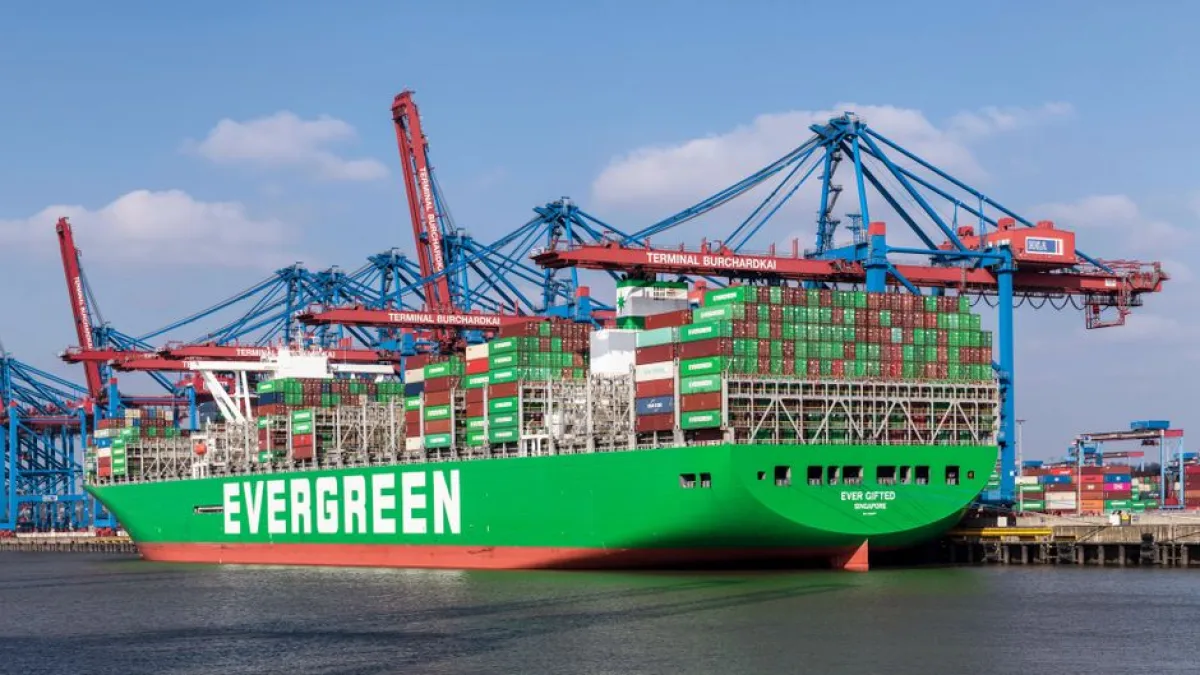
Sustainability has transitioned from a corporate buzzword to a critical requirement for businesses seeking to reduce their carbon footprint. Forwarders are now expected to provide transparent carbon reporting as clients prioritize environmental responsibility in their own selection of logistics service providers.
- Carbon Emission Tracking: New integrated software tools automatically calculate emissions for every shipment, providing detailed reports that help clients meet their corporate sustainability goals and regulatory compliance requirements.
- Eco Friendly Route Planning: Logistics platforms now include features that identify lower emission transit options, helping forwarders balance speed, cost, and environmental impact for every single customer shipment request.
- Green Carrier Partnerships: Proactively vetting carriers based on their environmental performance allows forwarders to offer premium services to clients who demand lower carbon logistics solutions and cleaner transport.
- Optimized Load Consolidation: Maximizing container utilization through intelligent load planning software reduces the number of trips required, effectively lowering the total carbon footprint for each unit of freight moved.
Environmental accountability is quickly becoming a major differentiator in the freight forwarding industry. As regulations tighten and client preferences shift toward sustainable transport, forwarders who prioritize green initiatives will gain a significant competitive edge. Investing in technology that tracks and reports environmental impact is a strategic move that aligns your business with the future of global trade and responsible corporate citizenship.
Future Tech Outlook

Emerging technologies like artificial intelligence and blockchain are poised to redefine the capabilities of freight forwarding platforms. These tools offer the potential for unprecedented levels of transparency, security, and efficiency that will shape the logistics industry over the next decade.
- Artificial Intelligence Analysis: AI algorithms analyze vast amounts of shipping data to identify hidden inefficiencies, suggesting improvements that can significantly lower your operational costs and boost overall productivity.
- Blockchain Security Protocols: Utilizing decentralized ledgers for transaction records provides an immutable audit trail, which significantly reduces the risk of document fraud and enhances trust between all logistics parties.
- Predictive Maintenance Integration: Advanced sensor technology monitors cargo conditions in real time, alerting forwarders to potential equipment failures or environmental spoilage before the goods are damaged during transit.
- Automated Pricing Engines: Dynamic pricing software uses current market data to provide instant quotes, ensuring your rates remain competitive and profitable regardless of rapid changes in global freight rates.
The pace of technological change in the freight industry remains relentless and exciting for those willing to adapt. By embracing these cutting edge tools, forwarders can transition from simple service providers to indispensable strategic partners. The future belongs to firms that leverage data to provide actionable insights, ultimately delivering superior value and reliability to their clients throughout the complex global shipping supply chain.
Conclusion
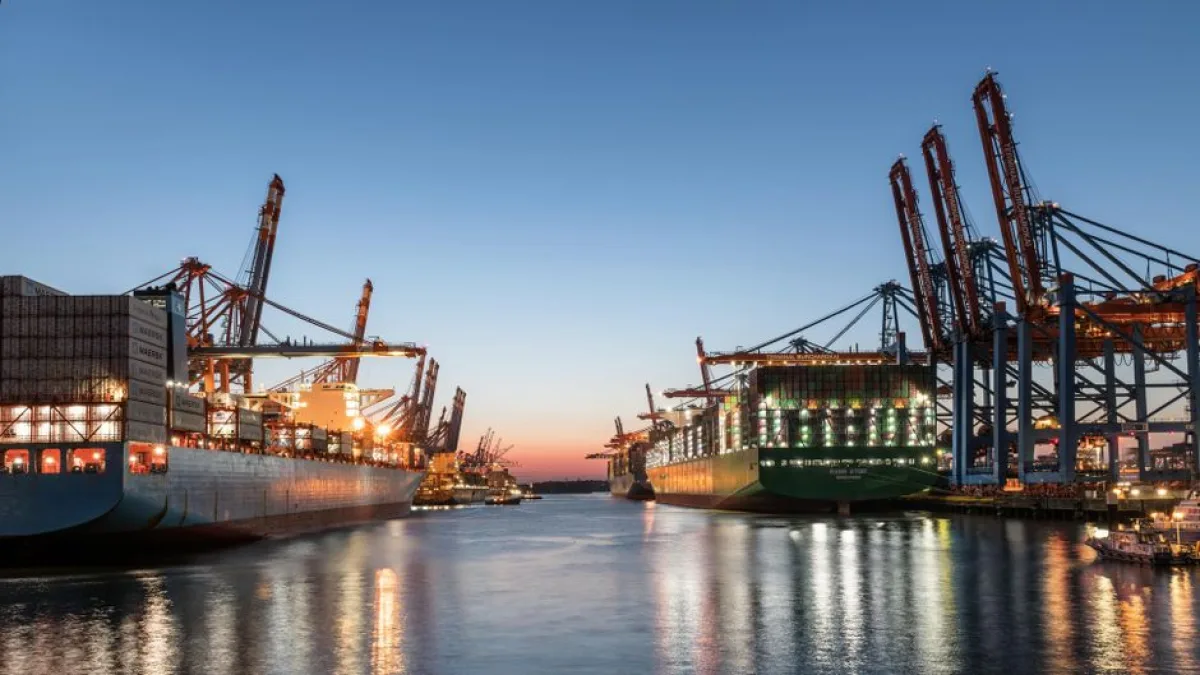
Success in modern freight forwarding depends on the integration of digital tools and a strategic approach to global logistics challenges. By embracing automation, prioritizing sustainability, and preparing for future technological advancements, your company can thrive in an evolving market. Start optimizing your operations today by leveraging the right cloud based technology to ensure long term growth and maintain a significant competitive advantage worldwide.