Navigating Global Freight Trends: The Future of Logistics Tech
Saturday, October 24 2026

The global freight forwarding industry stands at a critical juncture as digital transformation shifts from a luxury to a baseline requirement for survival. With supply chain complexities increasing, freight forwarders must adopt agile technology to maintain visibility and efficiency. Market volatility and changing consumer demands continue to press companies to rethink their traditional operational models. By integrating cloud-based platforms and data-driven insights, forwarders can proactively address bottlenecks, enhance service delivery, and maintain a competitive edge. This article explores essential strategies for modernizing your operations to ensure long-term stability and success in an increasingly unpredictable global trading environment.
Accelerating Digital Transformation
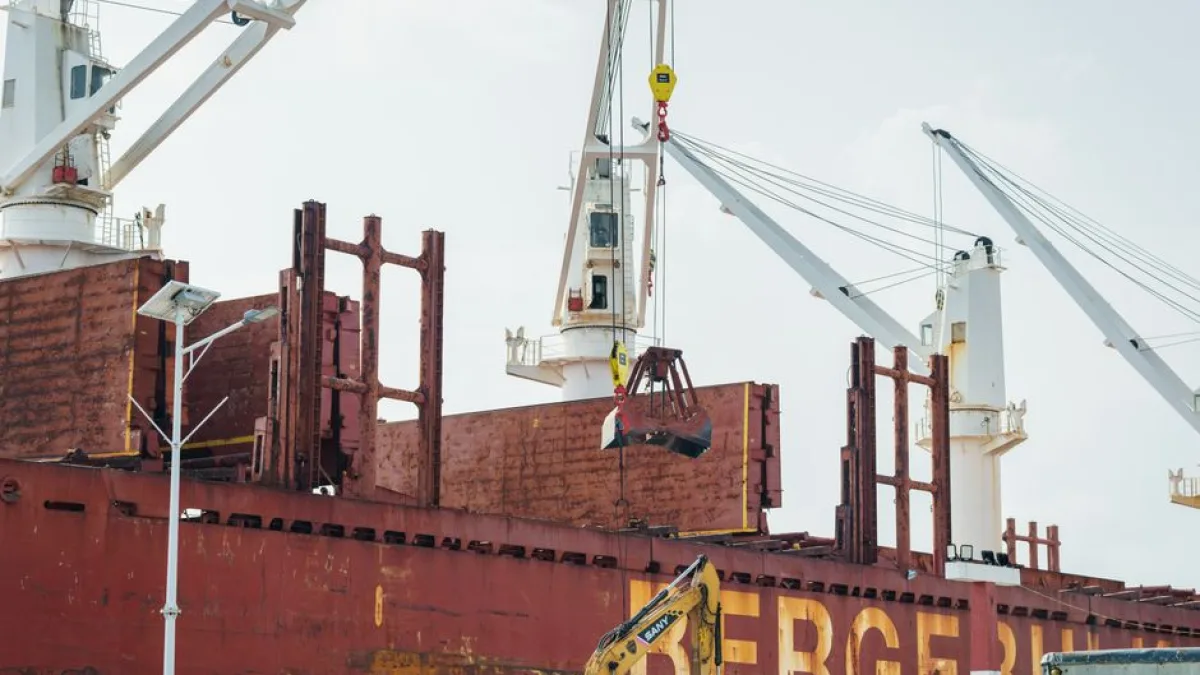
Digital transformation involves digitizing manual processes to reduce administrative burden and eliminate errors. By transitioning to cloud software, companies gain real-time access to operational data, allowing for faster decision making and improved communication across all international shipping departments.
- Automated documentation workflows: Implementing automated document generation significantly reduces the time spent on repetitive tasks, allowing your team to focus on strategic client relations and complex shipment exceptions effectively.
- Real-time shipment tracking: Providing customers with live status updates improves transparency, builds long-term trust, and minimizes incoming support queries related to the current location of their valuable cargo.
- Integrated cloud platforms: Centralizing data in the cloud prevents information silos and ensures that your entire global team operates from a single source of truth for updates.
- Data analytics insights: Leveraging historical data allows your business to identify operational bottlenecks and optimize routing decisions for future shipments, ultimately reducing costs and improving total throughput.
Adopting these digital tools empowers forwarders to scale operations without proportional increases in overhead expenses. By digitizing workflows, companies capture valuable operational insights that drive efficiency and profitability. Modern software solutions are no longer optional assets but core components of a successful freight business. Investing now secures your market position and ensures you remain capable of handling the increasing demands of global commerce efficiently.
Enhancing Supply Chain Visibility

Visibility is the backbone of modern logistics, providing stakeholders with clear insights into freight movement. Without granular visibility, forwarders struggle to mitigate disruptions, leading to dissatisfied customers and increased costs. Proactive tracking systems transform how companies handle potential supply chain issues.
- End-to-end tracking integration: Connecting various carrier systems into a single dashboard provides a comprehensive view of shipments, reducing the need for manual status checks with multiple service providers.
- Predictive delay warnings: Using machine learning tools helps identify potential bottlenecks before they occur, allowing teams to reroute cargo and maintain service levels despite unforeseen logistical challenges.
- Transparent client portals: Enabling clients to view their own shipment data reduces communication friction and establishes your brand as a modern and reliable freight forwarding partner.
- Risk management automation: Automated alerts regarding weather or port congestion empower managers to make informed decisions quickly, safeguarding client inventory from unexpected delays in the supply chain.
Superior visibility sets high-performing forwarders apart from the competition in a crowded marketplace. By offering clients constant access to their logistics data, companies foster loyalty and demonstrate professional reliability. As supply chains become more intricate, the ability to provide accurate and timely information becomes a primary selling point. Modern freight platforms make this visibility accessible, turning logistical complexity into a distinct service advantage.
Optimizing Operational Cost Structures

Managing operational costs is essential for maintaining healthy margins in the low-margin world of freight forwarding. Efficiency gains through automation directly impact your bottom line. By reducing manual intervention, companies can allocate resources toward higher value activities and business growth.
- Resource allocation optimization: Identifying tasks that consume excessive time allows managers to automate them, freeing up skilled personnel to manage complex shipments and high-value client needs.
- Reduced administrative overhead: Eliminating paper-based processes and manual data entry decreases administrative errors and lowers the costs associated with fixing mistakes in the shipping documentation process.
- Scalable cloud infrastructure: Cloud-based software reduces the need for expensive on-site IT hardware and maintenance, allowing forwarders to pay only for the resources they actually use.
- Standardized operational procedures: Establishing consistent workflows across the company ensures that every shipment is handled efficiently, minimizing cost overruns and preventing inconsistent service standards among different departments.
Focusing on cost optimization does not mean sacrificing quality or service levels. Instead, it involves working smarter by leveraging technology to streamline internal processes and improve output. When firms successfully optimize their cost structures, they create more room for competitive pricing and service investments. This approach ensures financial stability while simultaneously preparing the organization for rapid expansion in a demanding global shipping market.
Building Resilient Logistic Networks
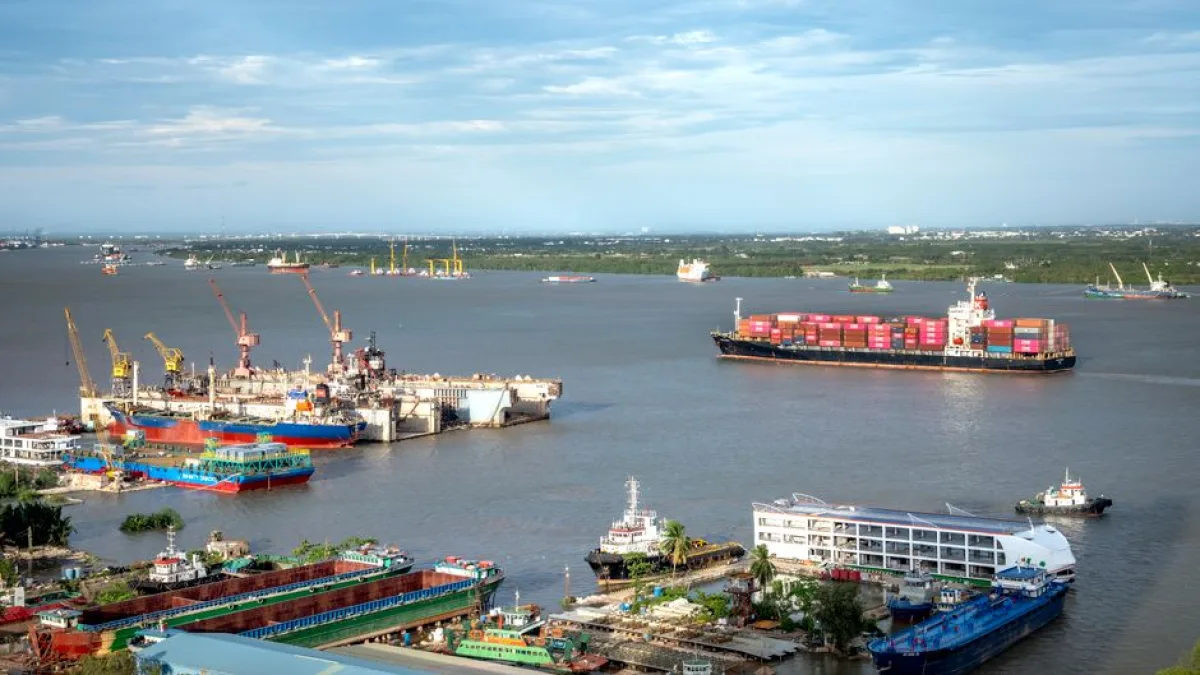
Resilience defines how a freight forwarder handles global disruptions like port strikes or regional shortages. Building a robust network requires diversified carrier relationships and flexible routing options. Modern technology platforms assist in stress-testing these networks to ensure your business remains functional.
- Diversified carrier portfolios: Maintaining strong relationships with multiple carriers gives you the flexibility to switch routes if one option becomes compromised, ensuring continuous service for your clients.
- Dynamic route planning: Advanced software tools allow for rapid changes to shipping paths, helping you avoid congested zones and keep cargo moving despite unexpected global logistics challenges.
- Collaborative partner networks: Utilizing digital platforms to collaborate with overseas agents and local trucking companies ensures seamless handoffs and consistent service quality at every step of shipping.
- Data-backed contingency planning: Analyzing historical performance data enables your team to build effective backup plans for common failure points in the supply chain, enhancing overall service reliability.
A resilient network is your best defense against the inherent volatility of international trade. By combining flexible partner strategies with data-driven routing, forwarders can overcome obstacles that would otherwise halt their operations. Investing in resilience prepares your business to handle crises with confidence. Ultimately, forwarders who prioritize network adaptability gain the trust of clients and secure their longevity in the global market.
Conclusion

The freight forwarding industry is evolving rapidly, necessitating a move toward digital-first strategies. By embracing automation, visibility, and resilient networks, forwarders can overcome modern challenges and drive growth. Technology serves as the bridge between current manual limitations and future operational excellence. Prioritize these updates today to secure your competitive advantage and continue delivering high-quality logistics solutions to your global client base.