Navigating Global Freight Volatility with Digital Transformation
Saturday, August 15 2026
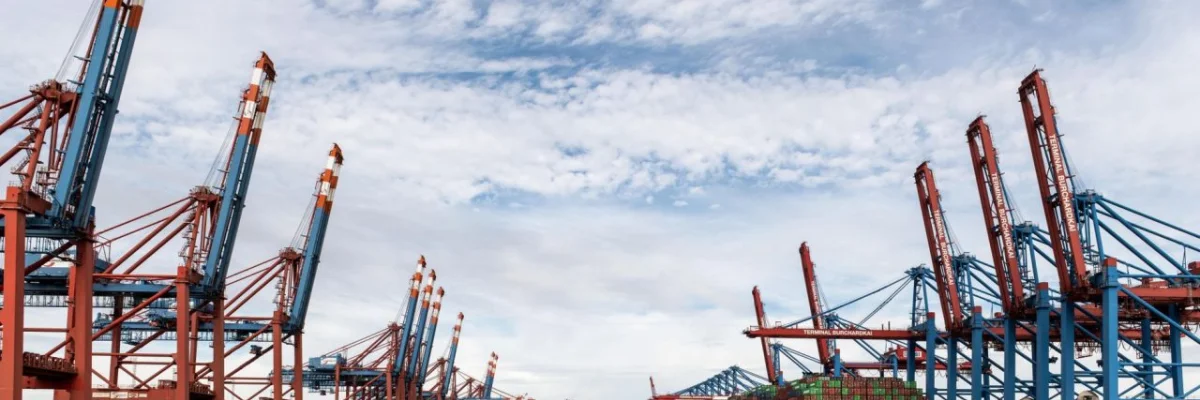
The global logistics landscape is undergoing a massive shift as freight forwarders grapple with shifting trade policies, port congestion, and rapidly changing consumer demands. Operating in this environment requires more than just traditional shipping methods. It demands agility, transparency, and a reliance on data-driven insights that only modern cloud-based platforms can provide. As we look toward the next quarter, professionals who leverage technology to automate workflows and gain real-time visibility will be the ones who successfully navigate these turbulent waters, ensuring their clients receive reliable service despite the constant pressure of global supply chain instability.
Modernizing Operations via Automation

Digital transformation in the warehouse environment is no longer optional for firms seeking to scale. By automating manual data entry and document management, forwarders can significantly reduce error rates, speed up processing times, and focus on delivering high-value strategic support to their core international customers.
- Automated Data Entry: Implement advanced OCR technology to scan bills of lading and invoices instantly, which eliminates human error and saves your team countless hours of repetitive manual data processing.
- Real-time Tracking Updates: Provide clients with automated notifications at every stage of the transit process, ensuring they remain informed while reducing the volume of inbound status inquiry calls.
- Workflow Efficiency Gains: Streamline internal communications through centralized cloud platforms that connect your warehouse staff, drivers, and administrative team in one unified digital space for maximum output.
- Document Compliance Management: Utilize integrated systems to verify international shipping documents automatically, which minimizes the risk of costly customs delays and ensures adherence to strict global trade regulations.
Adopting these automated tools allows freight forwarders to pivot from being simple service providers to essential strategic partners. When your operational backbone is secure and efficient, your team can spend more time focusing on client relationships rather than chasing paperwork. The result is a more resilient business model that can withstand market fluctuations while maintaining the high service levels your customers expect from top tier logistics.
Building Resilient Digital Supply Chains

Developing a resilient supply chain requires deep visibility into every node of the transportation network. By utilizing cloud-based software, forwarders gain the analytical power needed to identify bottlenecks early and reroute shipments proactively, avoiding the costly delays that impact global freight profitability.
- Predictive Capacity Planning: Leverage historical data trends to forecast future shipping volumes, allowing your firm to secure equipment and space in advance during periods of high market volatility.
- Multi-carrier Integration Support: Connect your platform with diverse carrier networks to compare rates and transit times instantly, enabling you to select the most reliable options for every shipment.
- Risk Mitigation Strategy: Use live mapping and weather tracking tools to anticipate disruptions, helping you coordinate alternative routes before a minor delay turns into a major crisis.
- Data-driven Decision Making: Shift away from guesswork by using deep analytics dashboards that show clear performance metrics for every lane, carrier, and client your company manages daily.
A truly resilient supply chain relies on the ability to interpret data and act quickly. When your digital infrastructure is built for agility, you stop reacting to problems and start anticipating them. This shift not only protects your margins but also enhances your reputation as a provider who can deliver consistently, even when global conditions are far from ideal or predictable for your competitors.
Enhancing Customer Transparency Standards

Modern shippers demand total visibility and accountability regarding their cargo status. Delivering this level of transparency is essential for building long-term trust, and the best way to achieve it is through a secure, client-facing portal that displays live shipment milestones.
- Client Portal Access: Grant your customers secure login credentials to view their active shipment details, documents, and historical data, which fosters a sense of trust and partnership.
- Custom Report Generation: Allow clients to download specialized performance reports that highlight key metrics like transit time consistency, helping them optimize their own logistics planning processes effectively.
- Instant Communication Channels: Integrate chat or messaging features directly into your platform to provide rapid responses to customer inquiries, effectively replacing slow and inefficient email correspondence chains.
- Proactive Issue Resolution: Keep clients updated automatically during minor transit delays, proving that you have control over the situation and are working diligently to resolve any potential hurdles.
Transparency is the ultimate competitive advantage in the crowded freight forwarding market. When customers can see exactly where their goods are and understand the status of their documentation, they feel empowered and valued. Investing in communication tools shows that you prioritize their business continuity. This high level of service creates lasting loyalty, turning one-time shippers into recurring clients who advocate for your services.
Scaling Through Cloud Infrastructure

Moving infrastructure to the cloud is the foundation for scalable growth in the logistics sector. Unlike legacy on-premise systems, cloud platforms evolve alongside your business, providing the flexibility needed to add new users, expand into new markets, and integrate with emerging shipping technologies effortlessly.
- Seamless Team Scalability: Add new users or remote office locations to your software suite instantly without the need for complex hardware installations or expensive onsite IT support services.
- Secure Data Accessibility: Ensure your team can access critical shipping files from any location, facilitating smooth collaboration between global offices and remote employees in different time zones.
- Integrated Software Ecosystems: Connect your freight forwarding platform with accounting and ERP tools to ensure that financial data flows smoothly and accurately across your entire organization automatically.
- Cybersecurity Protection Measures: Benefit from enterprise-grade security protocols that keep your client data safe from digital threats, ensuring that you meet all international data protection compliance requirements.
Scaling your logistics business is much easier when you are not tethered to outdated technology. Cloud infrastructure offers the stability and security needed to grow your operations without interruption. By embracing this digital shift, you ensure your company is prepared for future industry changes, allowing you to focus on expansion and service innovation instead of worrying about the limitations of your own hardware.
Conclusion

Embracing digital transformation is no longer just an advantage but a necessity for surviving in the modern freight industry. By automating manual processes, improving transparency, and utilizing cloud infrastructure, forwarders can overcome global volatility with confidence. Now is the time to audit your current systems and implement the software upgrades required to scale your business and deliver unmatched value to your loyal global clients.