Navigating Global Ocean Freight Efficiency in the Digital Age
Thursday, August 20 2026
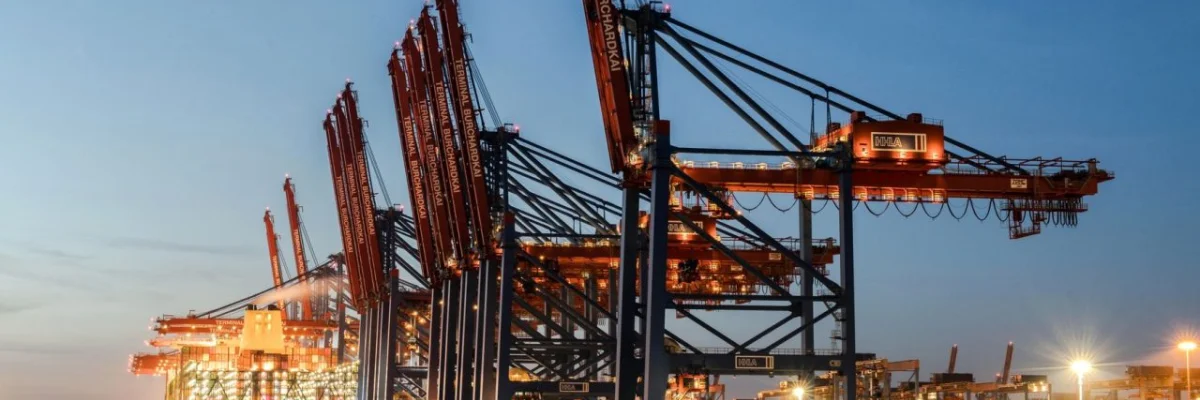
The global ocean freight industry stands at a critical juncture where traditional logistics methods are rapidly evolving into sophisticated digital ecosystems. For freight forwarders, the challenge is not just moving cargo across oceans but managing the intricate web of data, compliance requirements, and stakeholder communication that defines modern international trade. Leveraging cloud-based technology has become essential for firms aiming to maintain competitive margins while meeting the heightened expectations of shippers who demand real-time visibility. By optimizing workflows and integrating automated documentation systems, forwarders can reclaim valuable time to focus on strategic growth rather than getting lost in manual administrative tasks.
Mastering Container Logistics
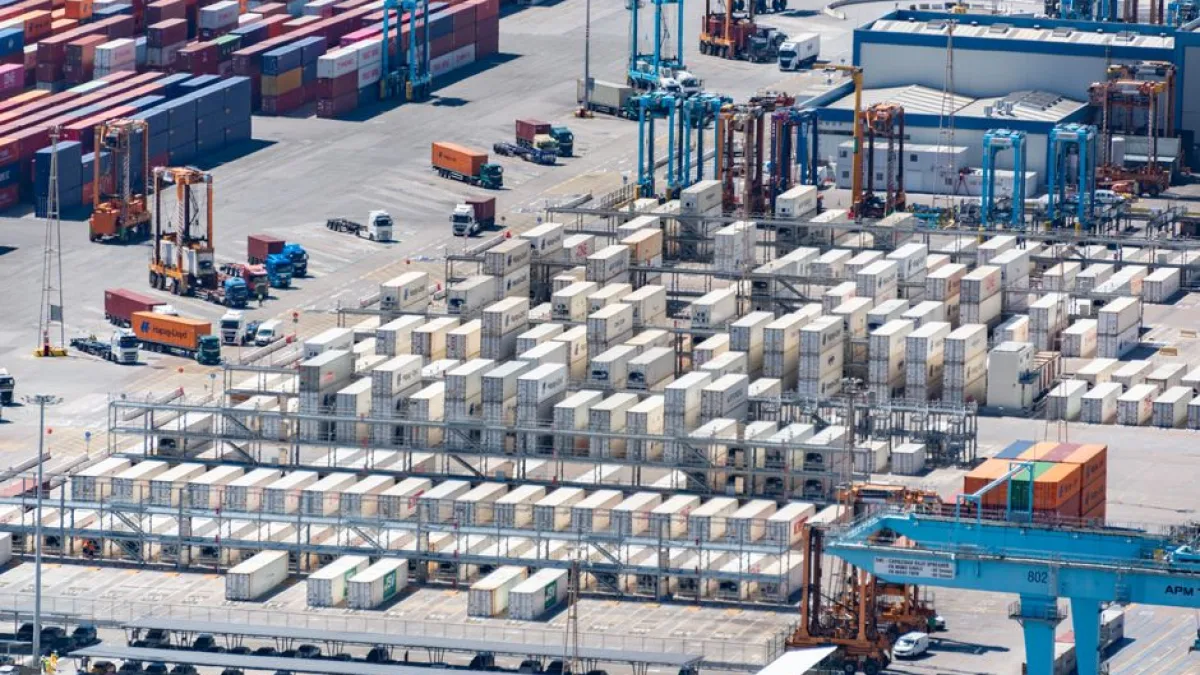
Efficiently managing containers requires a bird-eye view of terminal activities and vessel schedules to avoid bottlenecks. Forwarders who utilize smart tracking systems gain the ability to predict delays and adjust routes before they impact the final delivery deadlines for clients.
- Real-time vessel tracking: Advanced satellite integration allows logistics teams to monitor ship locations accurately, providing proactive updates to customers when weather or port congestion disrupts standard transit times and schedules.
- Optimized container utilization: Software tools help planners maximize space within each container, reducing overall shipping costs and minimizing the environmental footprint of every shipment transported across the global ocean routes.
- Automated status notifications: Keeping clients informed through automated triggers eliminates the need for manual status updates, fostering deeper trust and transparency throughout the entire international shipping and delivery lifecycle.
- Digital document management: Cloud platforms centralize bills of lading and commercial invoices, ensuring that all necessary customs paperwork is instantly accessible, compliant, and ready for rapid electronic submission to authorities.
Precision in container management transforms how forwarders handle the complexities of maritime shipping. When data flows seamlessly between carriers and end customers, the risk of miscommunication decreases significantly. Investing in centralized platforms allows teams to handle higher volumes without compromising on quality or service speed. Ultimately, mastery of these digital tools provides a sustainable advantage that secures long term loyalty from high-value global shipping clients.
Streamlining Compliance Procedures

Navigating the complex landscape of international customs regulations requires constant vigilance and access to updated tariff information. Digital solutions simplify the audit trail process, helping forwarders ensure that every shipment remains compliant with current maritime laws and regional trade policies.
- Automated customs filing: Integrated software modules submit data directly to relevant authorities, reducing the likelihood of human error and preventing costly fines associated with incorrect or incomplete customs declarations.
- Tariff database integration: Accessing real-time global tariff data prevents surprises for shippers, allowing forwarders to provide accurate cost estimates that reflect current trade agreements and international import export regulations.
- Secure document archiving: Storing sensitive shipping documentation in an encrypted cloud environment ensures that essential records remain protected while being easily retrievable during mandatory regulatory audits or internal reviews.
- Standardized compliance checks: Automated validation processes verify that all mandatory fields are completed before submission, ensuring that shipments move through customs checkpoints without unnecessary holds or manual verification delays.
Adopting automated compliance workflows significantly reduces the administrative burden on your logistics team. By removing the need for manual paperwork, forwarders can focus on high-level strategy rather than correcting basic filing errors. This systematic approach to regulation compliance protects your business reputation and fosters stronger relationships with customs officials, leading to smoother operations and faster cargo clearance times at major international ports.
Optimizing Carrier Relations
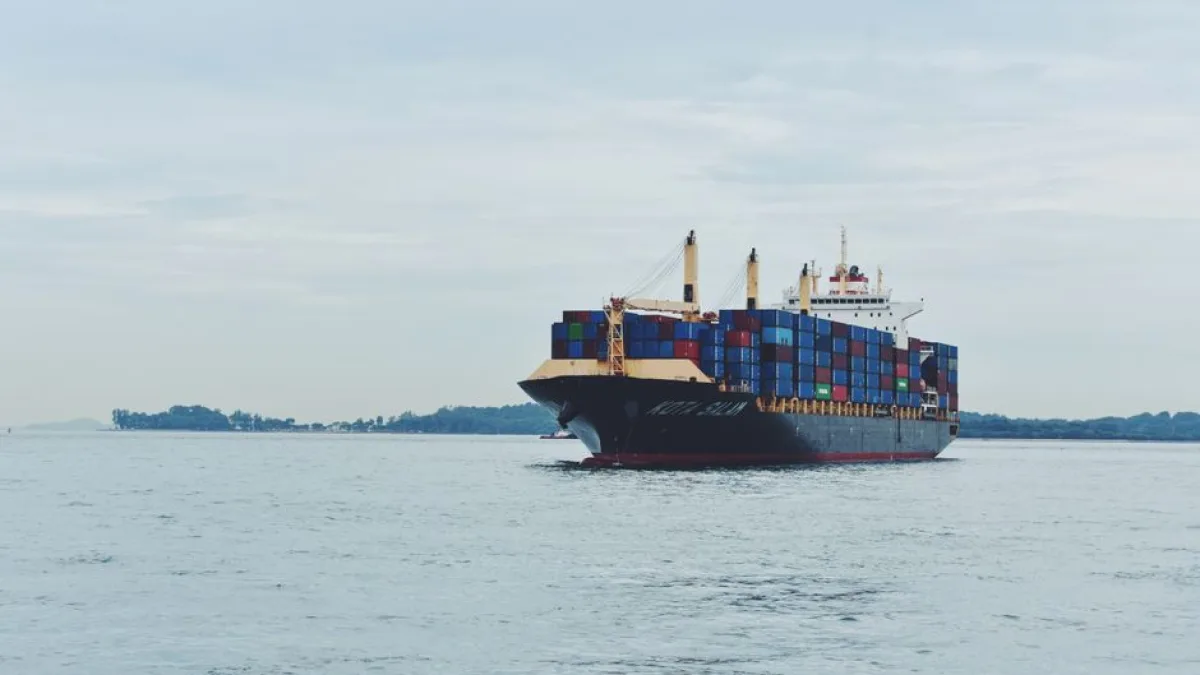
Building strong partnerships with ocean carriers is essential for securing competitive space allocations and favorable rates during peak seasons. Effective management relies on clear communication and data-driven performance analysis to evaluate carrier reliability against the specific requirements of your freight network.
- Performance analytics reporting: Analyzing historical data helps identify which carriers consistently meet their service level agreements, allowing forwarders to select the most reliable partners for time sensitive or high-value cargo.
- Integrated communication portals: Dedicated platforms facilitate direct dialogue between forwarders and carrier booking teams, streamlining the reservation process and ensuring that all special container requirements are communicated clearly and accurately.
- Capacity management tools: Forecasting volume requirements enables forwarders to negotiate better terms with carriers, ensuring that space is guaranteed even when market demand fluctuates during critical peak shipping months.
- Rate management automation: Centralizing rate sheets from multiple carriers allows staff to compare prices instantly, ensuring that you always offer the most competitive freight pricing to your clients.
Strong carrier relations represent the backbone of a successful freight forwarding operation. When you leverage technology to track performance and volume trends, you transition from being a reactive participant to a strategic partner. This proactive management style ensures that your clients benefit from stable pricing and consistent service levels, which are crucial for maintaining a resilient supply chain in an unpredictable global market environment.
Improving Financial Visibility

Financial health in freight forwarding depends on the ability to track margins for every shipment accurately in real time. Cloud software provides the necessary visibility into overhead costs, carrier payments, and client billing to ensure that your business remains profitable and cash-flow positive.
- Automated invoice reconciliation: Matching carrier invoices against expected shipment costs identifies discrepancies immediately, preventing overpayments and ensuring that your financial records remain accurate and fully reconciled at all times.
- Profit margin tracking: Software dashboards provide a clear view of net profitability per shipment, allowing forwarders to refine pricing strategies and identify service lines that require better management or adjustments.
- Streamlined client billing: Generating invoices automatically from shipping data reduces payment delays, improving your overall cash flow and allowing for better financial planning throughout the fiscal year for staff.
- Cash flow forecasting: Utilizing predictive analytics based on historical data helps owners plan for growth and prepare for lean periods, ensuring that the business remains stable and financially robust.
Maintaining tight control over financial metrics is vital for the long term growth of any freight forwarding enterprise. By digitizing your billing and cost tracking, you minimize the risk of leakage and ensure that every service provided is properly compensated. This level of financial transparency empowers your leadership team to make informed decisions that support sustainable scaling and continued excellence in the industry.
Conclusion
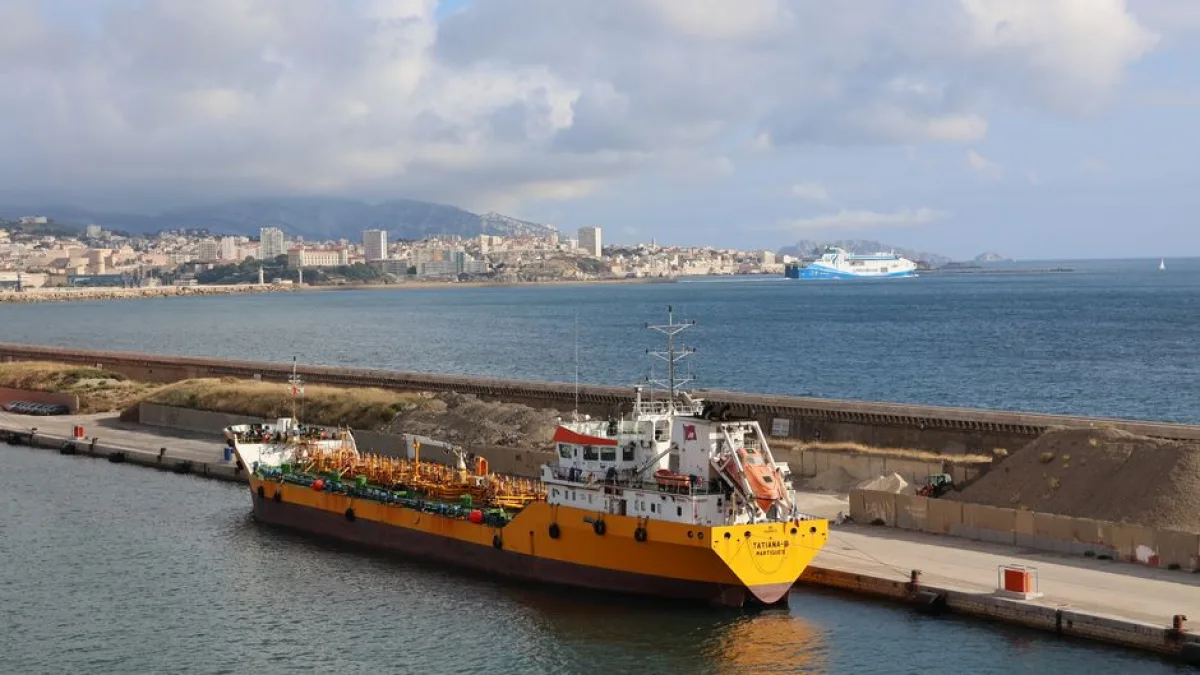
Modernizing your ocean freight operations is no longer optional but a requirement for longevity in a fast-paced global market. By embracing digital tools that enhance visibility, compliance, and financial accuracy, your forwarding business can achieve new heights of efficiency. Start evaluating your internal processes today to identify which manual bottlenecks can be replaced by automation, setting the foundation for your future success in shipping.