Navigating Global Supply Chain Shifts in 2024
Tuesday, October 13 2026
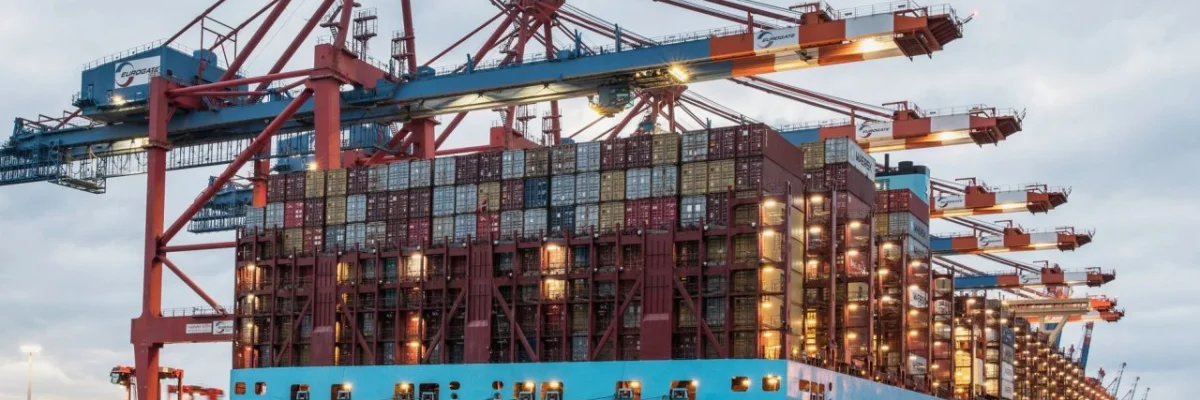
The global freight forwarding landscape is undergoing a profound transformation driven by rapid technological adoption and shifting geopolitical alliances. Professionals today face a complex environment where traditional logistics models no longer suffice to guarantee service reliability. By leveraging cloud-based platforms, forwarders are finding new ways to maintain operational visibility and cost efficiency despite external volatility. This article explores how industry leaders are adapting to these evolving challenges to stay competitive in an increasingly digital world. Understanding these trends is essential for any modern logistics company aiming to secure long-term growth and operational resilience amidst continuous global market disruptions.
Digital Integration Strategies

Technology remains the backbone of modern freight operations as businesses transition toward paperless workflows. Cloud platforms are enabling seamless data exchange between shippers, carriers, and agents to eliminate communication gaps and improve response times across complex, multi-modal international shipping routes.
- Enhanced Data Visibility: Real-time tracking capabilities allow freight forwarders to monitor cargo status constantly, ensuring that stakeholders receive accurate updates regarding potential delays or schedule changes during transit.
- Automated Workflow Efficiency: Digital platforms automate repetitive administrative tasks such as documentation filing and invoice generation, which reduces human error and significantly boosts overall team productivity levels.
- Cloud Collaboration Tools: Centralized digital workspaces facilitate better communication between global partners, ensuring that every team member accesses the most current shipment information from any remote location.
- Cybersecurity Risk Mitigation: Modern software solutions implement advanced encryption protocols to protect sensitive client data, preventing unauthorized access while maintaining compliance with international privacy regulations for shipping firms.
Adopting these digital strategies is no longer optional for companies seeking a competitive edge in today's market. By centralizing operations, firms can drastically reduce their overhead costs while simultaneously improving the quality of service provided to their clients. Embracing software-driven logistics helps businesses scale effectively and respond quickly to unexpected market fluctuations or sudden changes in regional demand patterns.
Adapting to Port Congestion
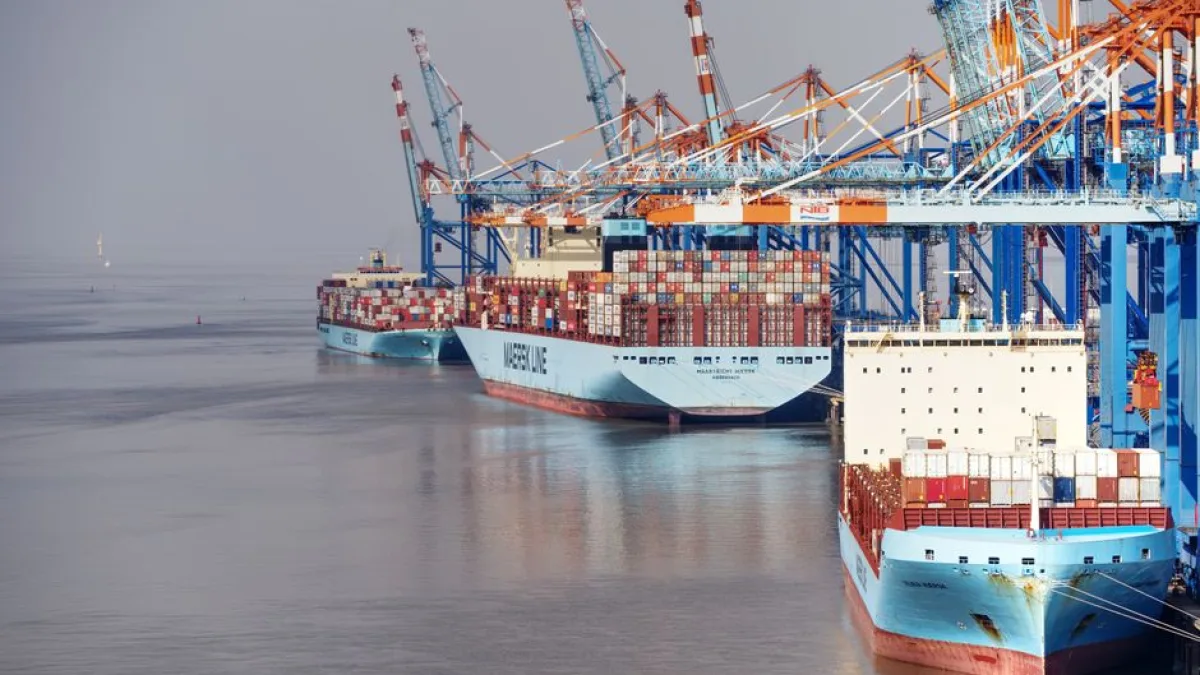
Port congestion remains a significant bottleneck that threatens the stability of global supply chains. Freight forwarders must now implement more agile routing strategies and utilize advanced predictive analytics to navigate the persistent challenges of terminal overcrowding and vessel delays.
- Predictive Routing Analytics: Advanced algorithms analyze historical port data to predict congestion levels, allowing forwarders to select alternative terminals that offer faster vessel turnaround times for clients.
- Multi-Modal Flexibility: Developing strong partnerships across air, rail, and sea transport allows firms to pivot cargo routes quickly when specific ports become overwhelmed by traffic.
- Proactive Client Communication: Transparency regarding potential vessel delays builds trust with shippers, as providing early warnings allows customers to adjust their inventory plans before issues escalate.
- Strategic Buffer Planning: Incorporating additional lead time into standard service agreements helps manage customer expectations, ensuring that delivery timelines remain realistic despite unforeseen port-side labor disruptions.
Proactive management of port delays is the defining characteristic of a successful logistics professional. While external factors remain beyond individual control, forwarder response strategies determine the long-term satisfaction of international shippers. By diversifying transport routes and prioritizing communication, firms can shield their customers from the worst impacts of terminal instability, maintaining consistent operations even during periods of extreme global trade volume.
Sustainability in Logistics

Environmental responsibility is becoming a core component of freight forwarding services as global regulations tighten. Clients are increasingly demanding carbon-neutral options, forcing the industry to adopt greener practices and optimize fuel consumption across all major international transport shipping lanes.
- Carbon Emission Monitoring: Integrated software tools help calculate the total environmental impact of specific shipments, providing shippers with the data needed to report on corporate social responsibility.
- Optimized Routing Paths: Intelligent route planning software identifies the shortest possible delivery paths, which significantly lowers fuel consumption and reduces the overall carbon footprint of every shipment.
- Sustainable Carrier Selection: Partnering with ocean and air carriers that prioritize fuel-efficient vessels allows forwarders to offer eco-conscious transport solutions that appeal to modern, environmentally conscious businesses.
- Modal Shift Advantages: Encouraging clients to switch from air to sea or rail where possible drastically cuts emissions, offering a more sustainable alternative for non-urgent shipments.
Sustainability has evolved from a niche preference into a vital standard for modern logistics companies. Companies that actively reduce their environmental impact often find it easier to attract premium clients who prioritize ethical sourcing and green supply chain initiatives. By investing in tools that prioritize efficiency and cleaner transport methods, forwarders position themselves as forward-thinking leaders ready for a low-carbon global economy.
Managing Talent Shortages

The logistics industry faces a critical talent gap as the demand for skilled supply chain professionals continues to outpace the available workforce. Retention and training are essential for firms to maintain high standards of service while navigating the complexities of digital transformation.
- Robust Training Programs: Developing internal education pathways ensures that staff members remain proficient in using the latest software tools, keeping the entire team ahead of industry standards.
- Culture Building Initiatives: Creating an inclusive workspace encourages long-term retention, as employees feel valued and invested in the collective goals of the shipping and logistics firm.
- Outsourcing Strategic Tasks: Utilizing expert support for non-core administrative functions allows full-time staff to focus on high-value client relations and complex problem-solving roles within the company.
- Tech-Driven Performance Reviews: Using performance data from software platforms provides clear metrics for employee growth, ensuring that career progression is tied to measurable successes and operational goals.
Cultivating a skilled workforce is the most effective way to ensure longevity in a challenging labor market. By combining competitive compensation with access to top-tier logistics technology, companies can attract and keep the best industry professionals. Prioritizing employee development ensures that the business remains agile, creative, and capable of solving the multifaceted challenges presented by modern, globalized freight operations every single day.
Conclusion

Navigating the current logistics landscape requires a blend of technological sophistication and human agility. By embracing cloud tools, prioritizing sustainability, and investing in team development, freight forwarders can effectively overcome the obstacles presented by modern trade. Stay ahead of these rapid industry changes by integrating smart software solutions into your daily operations and secure your company position as a trusted global logistics partner.