Navigating Global Supply Chain Shifts in 2024
Wednesday, October 21 2026
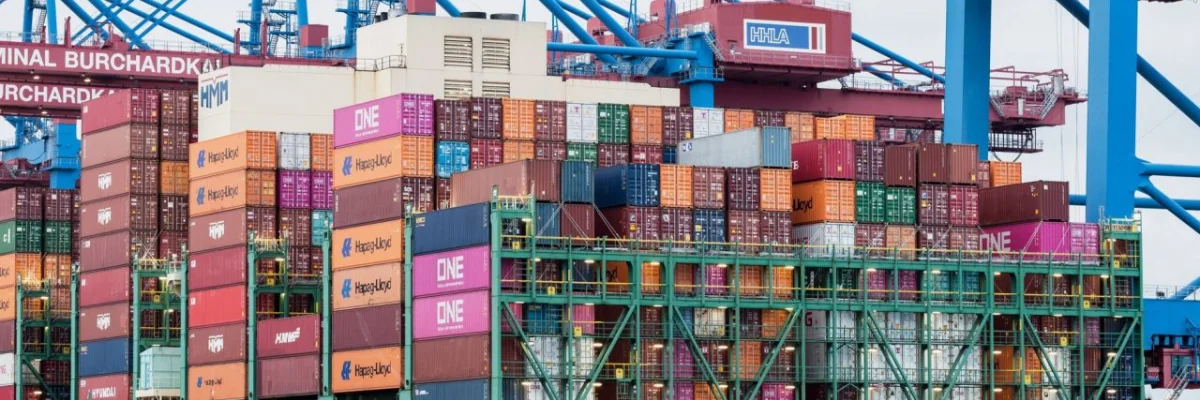
The global logistics landscape is undergoing a massive transformation driven by rapid technological advancement and shifting geopolitical dynamics. As freight forwarders face increasing pressure to maintain margins while improving service quality, traditional manual processes are becoming insufficient. Staying competitive in this volatile market requires a shift toward automation, data-driven decision making, and enhanced visibility across every touchpoint of the shipping lifecycle. Companies that embrace modern cloud-based solutions are finding themselves better equipped to handle disruptions and meet the rising expectations of today's shippers. This article examines the critical pillars of success for freight forwarders operating within these evolving industrial boundaries.
Digital Transformation Strategies

Modern digital transformation strategies are the backbone of modern freight forwarding operations today. By replacing legacy systems with integrated platforms, companies can achieve real-time tracking and superior data accuracy that previously seemed impossible for small to mid-sized logistics providers.
- Automated Data Entry: Implementing intelligent document processing software allows teams to reduce manual input errors by automating the extraction of data from complex bills of lading and invoices.
- Cloud Platform Integration: Adopting cloud-based infrastructure ensures that your team can access critical shipment data from any location while maintaining top-tier security standards for sensitive information.
- Real-time Shipment Visibility: Providing clients with live status updates through a dedicated customer portal improves satisfaction and reduces the volume of repetitive status inquiry emails.
- API Connectivity Expansion: Leveraging modern API connections allows your software to communicate seamlessly with carrier systems, port authorities, and customs agencies to accelerate global document processing.
Adopting these advanced tools helps firms scale their operations effectively without increasing overhead costs. By shifting focus toward a digitized environment, forwarders can spend less time fixing data discrepancies and more time building strong relationships with their clients. This proactive shift is essential for survival in a market that rewards speed, transparency, and operational reliability above almost any other factor in modern trade.
Optimizing Ocean Freight Logistics
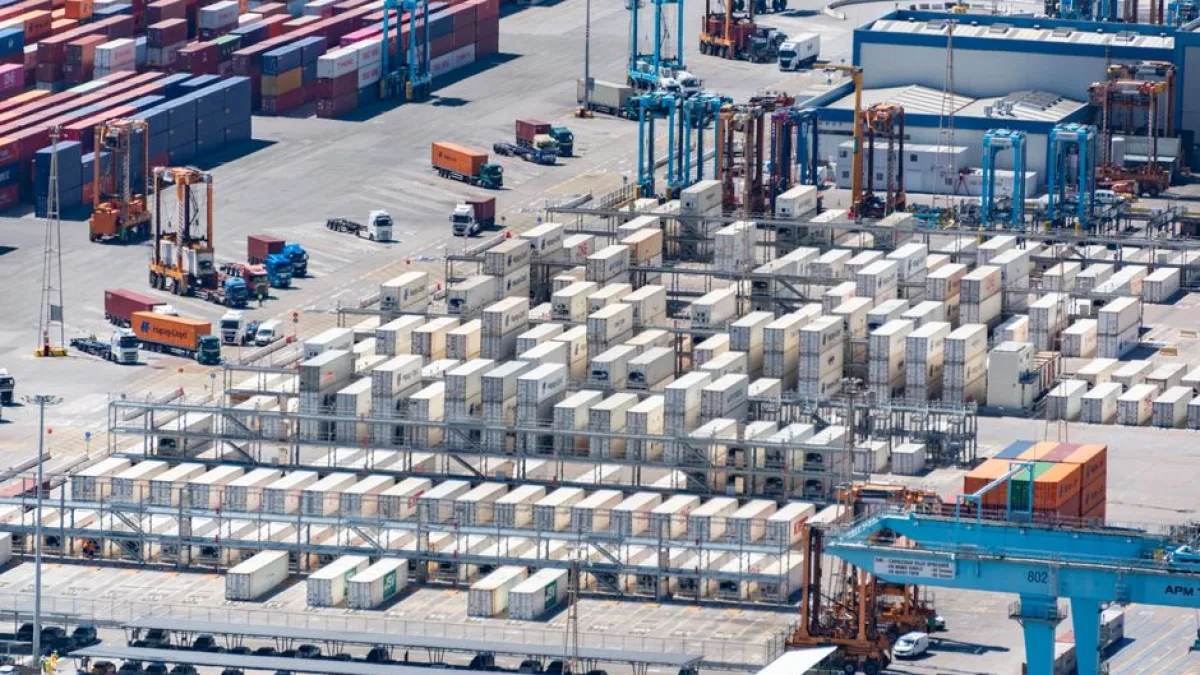
Ocean freight continues to serve as the backbone of global commerce, yet it remains vulnerable to port congestion and volatile capacity issues. Managing these complexities requires robust software tools capable of navigating schedule changes and complex tariff structures with extreme precision.
- Smart Capacity Management: Advanced algorithms help forwarders predict capacity shortages by analyzing historical freight volume trends and upcoming seasonal demand fluctuations for major global trade lanes.
- Dynamic Route Planning: Utilizing route optimization tools enables teams to select the most efficient shipping paths, thereby reducing transit times and minimizing total fuel expenses.
- Customs Compliance Automation: Integrating automated compliance checks within your shipping workflow ensures that all regulatory documentation is filed correctly to avoid expensive delays at borders.
- Carrier Performance Analysis: Tracking carrier reliability metrics allows businesses to make informed decisions when selecting partners, ensuring that cargo arrives safely and on time every time.
Efficiency in ocean freight relies heavily on the ability to anticipate and mitigate common bottlenecks before they escalate into major problems. When logistics professionals utilize integrated software to manage these variables, they can offer shippers more predictable delivery timelines. Consistent performance builds deep trust with customers, establishing your firm as a reliable partner in the challenging global freight transportation market.
Strengthening Vendor Partnerships

Building strong collaborative relationships with carriers and local agents is vital for maintaining service quality. Modern software platforms facilitate better communication and resource sharing, ensuring that all parties involved in the supply chain are aligned with the ultimate delivery goals.
- Centralized Partner Portals: Creating a unified digital hub for all partner communications eliminates information silos and ensures that everyone is viewing the most current shipment data.
- Automated Partner Notifications: Configuring automated alerts ensures that agents receive immediate updates regarding cargo arrival times, reducing the need for constant back and forth email communication.
- Performance Reporting Tools: Generating detailed performance reports for each vendor allows you to identify strengths and weaknesses, fostering a culture of continuous improvement and accountability.
- Financial Transparency Features: Streamlining the invoicing and payment process with integrated finance modules ensures that vendors are paid promptly, which strengthens your reputation as a payer.
The strength of your supply chain is directly proportional to the quality of your professional relationships. By leveraging cloud technology to foster transparency and streamline operational workflows, forwarders can create a cohesive ecosystem that benefits all participants. This collaborative approach not only improves daily efficiency but also creates a resilient network capable of absorbing shocks while maintaining high standards of customer service.
Prioritizing Customer Experience

In an era of instant gratification, the customer experience is the primary differentiator for freight forwarders. Shippers demand transparency, speed, and proactive communication, making it imperative for logistics companies to prioritize the end-user journey through their digital service interfaces.
- Personalized Customer Dashboards: Offering clients custom views of their shipments allows them to monitor the metrics that matter most, enhancing their sense of control over logistics.
- Proactive Issue Resolution: Using predictive alerts to notify customers of potential delays before they occur positions you as a transparent partner rather than a reactive service provider.
- Mobile Accessibility Support: Ensuring that your client-facing tools work perfectly on mobile devices enables shippers to manage their logistics on the go from anywhere in the world.
- Direct Feedback Channels: Incorporating easy feedback mechanisms directly into your platform gives you the insights necessary to improve your services based on actual client pain points.
Focusing on the client experience is no longer optional for firms hoping to expand their market share. By placing powerful and intuitive tools in the hands of shippers, you demonstrate professional commitment to their success. Satisfied customers are more likely to return for future business, providing the steady revenue streams and positive word of mouth that sustain long-term growth in this industry.
Conclusion

Navigating the modern freight landscape requires a blend of advanced technological implementation and a focus on human relationships. By digitizing manual workflows, optimizing ocean freight, strengthening vendor partnerships, and prioritizing the end-user experience, logistics professionals can overcome industry volatility. Start your journey toward operational excellence by evaluating your current software stack and identifying areas where MakeCargo can help you drive efficiency and growth today.