Navigating Global Trade Shifts in 2024
Saturday, August 29 2026
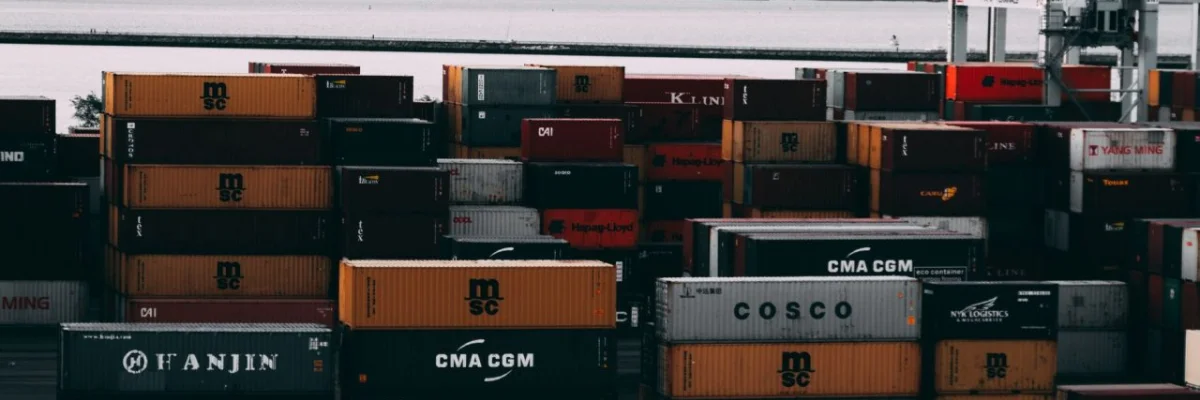
The global freight landscape is undergoing a profound transformation driven by rapid technological adoption and shifting geopolitical alliances. Logistics professionals are currently tasked with managing more complexity than ever before while maintaining speed and reliability for their clients. As supply chains become increasingly fragmented, the necessity for robust digital platforms like MakeCargo grows. Staying informed about market volatility, regulatory changes, and evolving carrier strategies is no longer optional but a fundamental requirement for forwarders aiming to thrive. This analysis explores the core drivers shaping our industry and how freight forwarders can effectively adapt to these challenging circumstances today.
Digital Transformation Imperatives

Modern digital platforms allow forwarders to centralize operations and enhance transparency across the entire shipment lifecycle. By integrating real time data into everyday workflows, teams can proactively address potential bottlenecks and improve service levels to meet rising expectations from global shippers.
- Automated Documentation Processing: Eliminate manual data entry tasks by utilizing advanced software tools that instantly extract information from bills of lading and commercial invoices to accelerate your overall clearance cycle.
- Real Time Tracking: Provide clients with granular visibility into shipment progress using live GPS data feeds that integrate directly with major carrier networks for superior operational status updates.
- Scalable Cloud Infrastructure: Leverage secure cloud systems that grow alongside your business needs to ensure that your team remains connected and productive regardless of their physical work location.
- Advanced Analytics Dashboards: Turn complex shipment data into actionable business intelligence by utilizing visualization tools that highlight cost saving opportunities and identify inefficiencies within your unique supply chain.
Adopting these technological advancements is vital for maintaining a competitive edge in a crowded marketplace. Forwarders who prioritize digital maturity will find themselves better positioned to handle unexpected supply chain disruptions with confidence. Investing in the right software foundation now will reduce overhead costs and free up your staff to focus on building stronger client relationships instead of managing repetitive administrative burdens.
Supply Chain Diversification
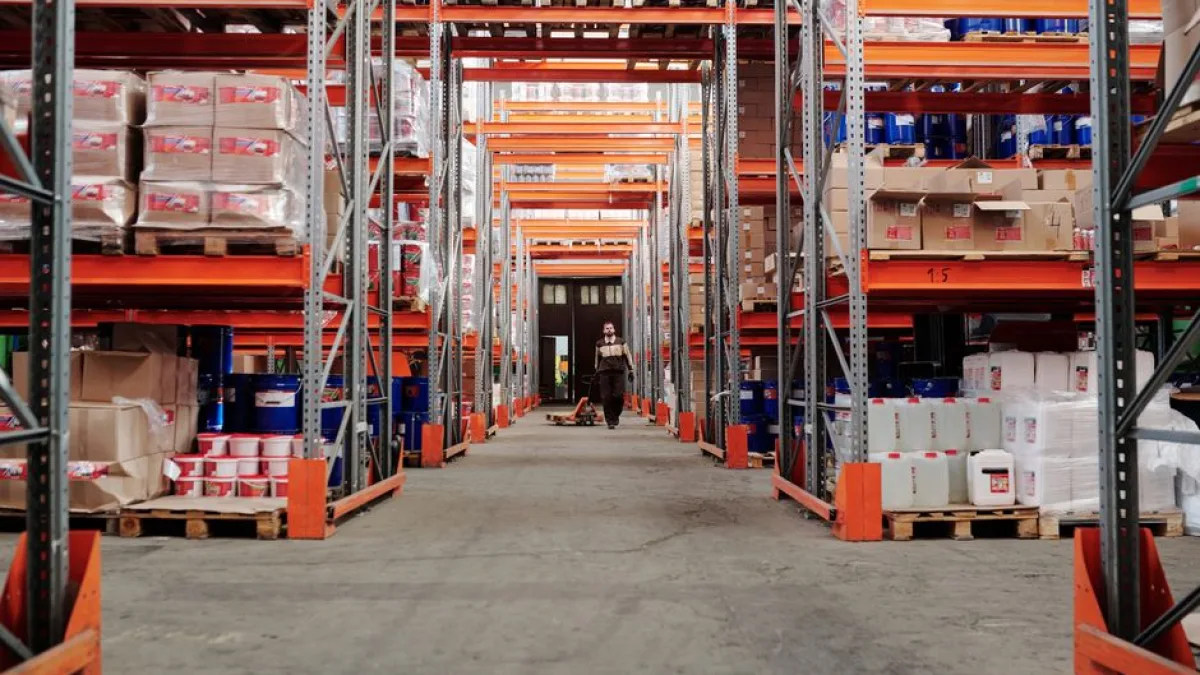
Companies are moving away from single source production models to mitigate risks associated with regional instability. This trend requires logistics providers to facilitate more complex multi-modal movements while ensuring that compliance standards are upheld across diverse jurisdictions and varied international borders.
- Multi-modal Logistics Expertise: Develop the internal capability to combine air, sea, and land transport options seamlessly to create flexible routing plans that bypass congested or high risk transit zones.
- Regional Hub Development: Assist your clients in establishing warehouse operations within secondary markets to ensure that goods remain closer to final consumers while reducing reliance on central ports.
- Compliance Management Tools: Utilize automated screening software to ensure every shipment adheres to changing international trade regulations and prevent costly penalties or delays at customs checkpoints today.
- Agile Routing Strategies: Implement software solutions that allow for rapid itinerary adjustments when geopolitical events or severe weather conditions threaten to derail existing transportation lanes or delivery schedules.
Successfully managing the shift toward diversified supply chains depends on your ability to offer consultative value. Forwarders who provide strategic advice alongside traditional transport services become indispensable partners. By anticipating regional challenges and preparing alternative logistics plans, you provide stability in an unpredictable world. This proactive approach cements your reputation as a reliable logistics leader capable of solving even the most difficult problems.
Sustainability and Compliance
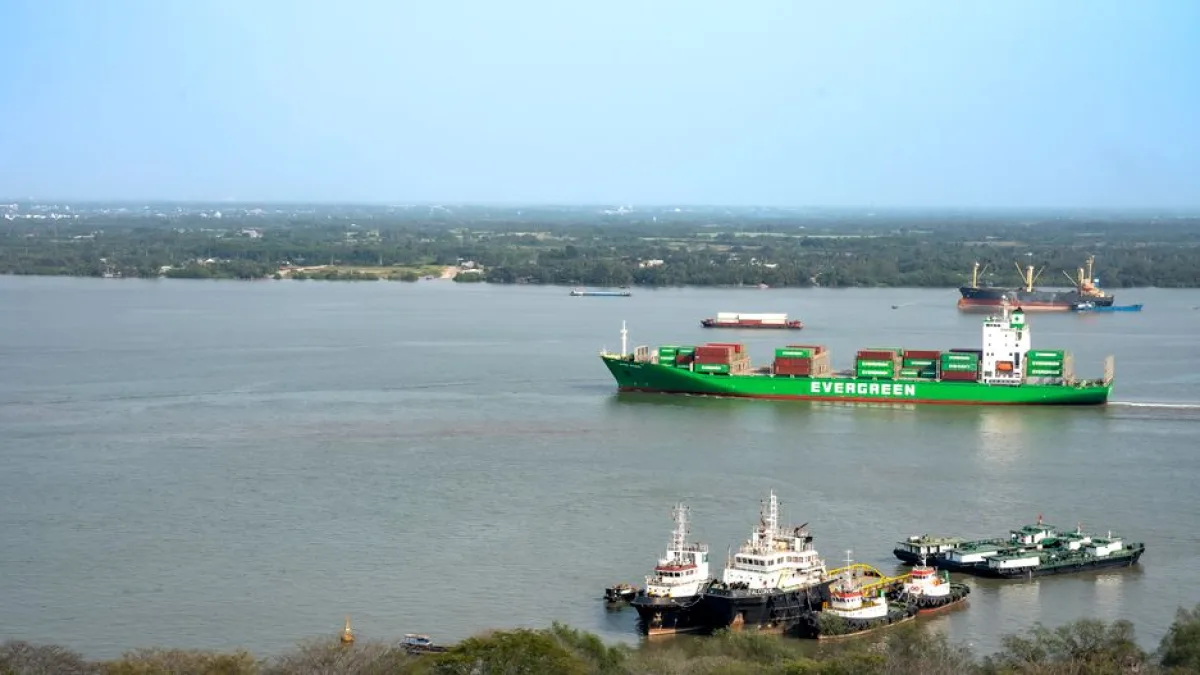
Environmental regulations are tightening as global organizations demand greener shipping solutions from their logistics partners. Forwarders must now track carbon emissions and offer measurable reporting to help their clients meet corporate sustainability goals and adhere to new government mandates.
- Carbon Emission Tracking: Deploy specialized tools that calculate the precise environmental footprint of every shipment to provide transparent data for your clients sustainability reports and internal climate initiatives.
- Optimized Load Planning: Increase the efficiency of container utilization to ensure that fewer vessels are required to transport the same volume of goods, which lowers total fuel usage.
- Regulatory Reporting Compliance: Automate the generation of environmental impact statements to satisfy evolving government reporting requirements without adding significant extra workload to your busy operations and accounting teams.
- Green Carrier Partnerships: Prioritize collaborations with shipping lines and trucking firms that have invested in low emission vehicles or alternative fuel technologies to lower your carbon intensity.
Sustainability is no longer a niche preference but a core requirement for large enterprise shippers. Freight forwarders who can demonstrate a commitment to decarbonization gain a distinct advantage during contract bidding processes. By offering accurate data and greener alternatives, you support your clients in achieving their own environmental targets while strengthening your position as a forward thinking and responsible industry leader.
Managing Cost Volatility

Freight rates remain highly sensitive to fuel surcharges and carrier capacity adjustments. Maintaining profitability while keeping prices fair for customers requires deep market insight and a disciplined approach to managing expenditures throughout the entire life of a shipping project.
- Dynamic Pricing Models: Utilize live market rate data to adjust your customer quotes in real time, ensuring that you remain profitable while offering competitive pricing during fluctuating market cycles.
- Carrier Capacity Negotiations: Strengthen your direct relationships with major ocean and air carriers to secure reliable space allocations even when global vessel availability becomes extremely tight and expensive.
- Expense Management Software: Monitor every cost incurred during the shipment process through a centralized financial module to ensure that no hidden charges erode your profit margins unexpectedly today.
- Cost Benefit Analysis: Evaluate the long term financial impact of different shipping routes and modes to present the most cost effective options to your clients every single time.
Navigating volatility is the ultimate test of a freight forwarder's expertise and financial discipline. By utilizing smart software to monitor costs and optimize routing, you protect your bottom line from market swings. Clear communication with clients regarding these pricing factors is equally important for maintaining trust during turbulent periods. Focus on providing consistent value rather than just the lowest initial quote available.
Conclusion

Staying ahead in the freight industry requires a combination of technological innovation, strategic agility, and a deep commitment to client success. By embracing digital tools and diversifying your operational approach, you can effectively navigate the complexities of modern global trade. MakeCargo remains dedicated to providing the platform features you need to excel. Leverage these insights to prepare your business for the opportunities ahead.