Navigating Global Trade Shifts in 2024
Saturday, September 12 2026
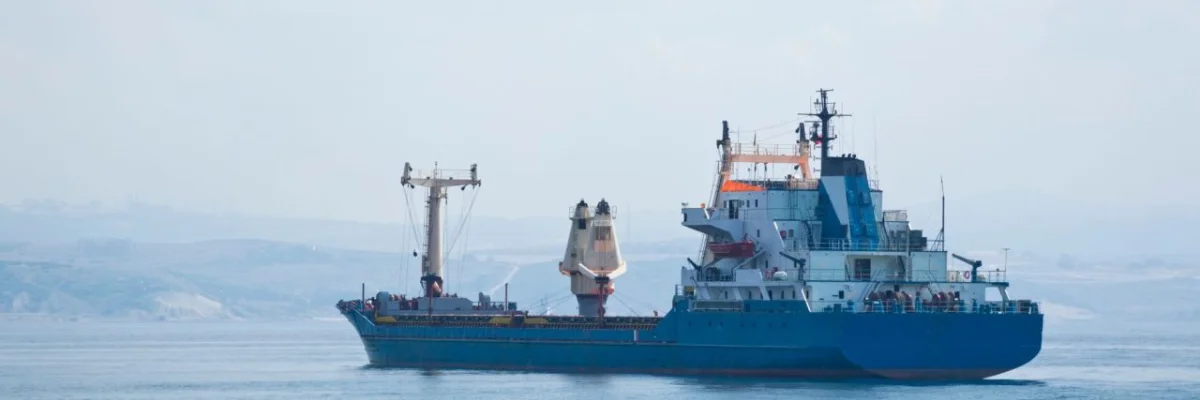
The global freight landscape is undergoing a profound transformation driven by rapid technological adoption and fluctuating geopolitical climates. Forwarding professionals are facing unprecedented pressure to optimize supply chains while ensuring absolute visibility for their clients. As traditional methods of managing logistics become increasingly obsolete, the integration of cloud-based platforms is no longer a luxury but a fundamental necessity for survival. This article examines the critical factors influencing current industry movements, providing actionable insights for firms aiming to maintain their competitive edge in a volatile market while delivering superior service levels across international borders.
Adapting to Digital Transformation

Digital tools are redefining how freight forwarders handle day-to-day operations by replacing manual processes with automated workflows. By leveraging cloud platforms, companies can achieve real-time data access, allowing teams to anticipate disruptions before they impact final delivery schedules or customer satisfaction levels.
- Automated Workflow Efficiency: Integrated software solutions allow teams to eliminate redundant data entry tasks by syncing information across all departments automatically to save precious operational hours every single day.
- Real-time Data Visibility: Accessing shipment updates instantly provides clients with the transparency they demand while reducing the need for constant phone calls and manual status update emails daily.
- Cloud-based Collaboration Tools: Team members can communicate effectively within a centralized platform to ensure that every stakeholder is updated on the latest shipment status changes without any confusion.
- Enhanced Scalability Options: Modern digital systems provide the flexibility to grow your business operations without needing significant hardware upgrades or complex infrastructure changes over the long term.
- Advanced Security Protocols: Protecting sensitive logistics data is easier with encrypted cloud systems that keep client information safe from potential cyber threats and unauthorized internal system access.
Adopting these technological advancements requires a shift in company culture rather than just software installation. Forwarders who embrace these changes early find that they can handle increased volumes with fewer errors. This digital maturity serves as a backbone for long-term growth, allowing firms to pivot quickly when global supply chains face sudden shocks or unexpected regulatory changes in key shipping markets.
Optimizing Ocean Freight Logistics
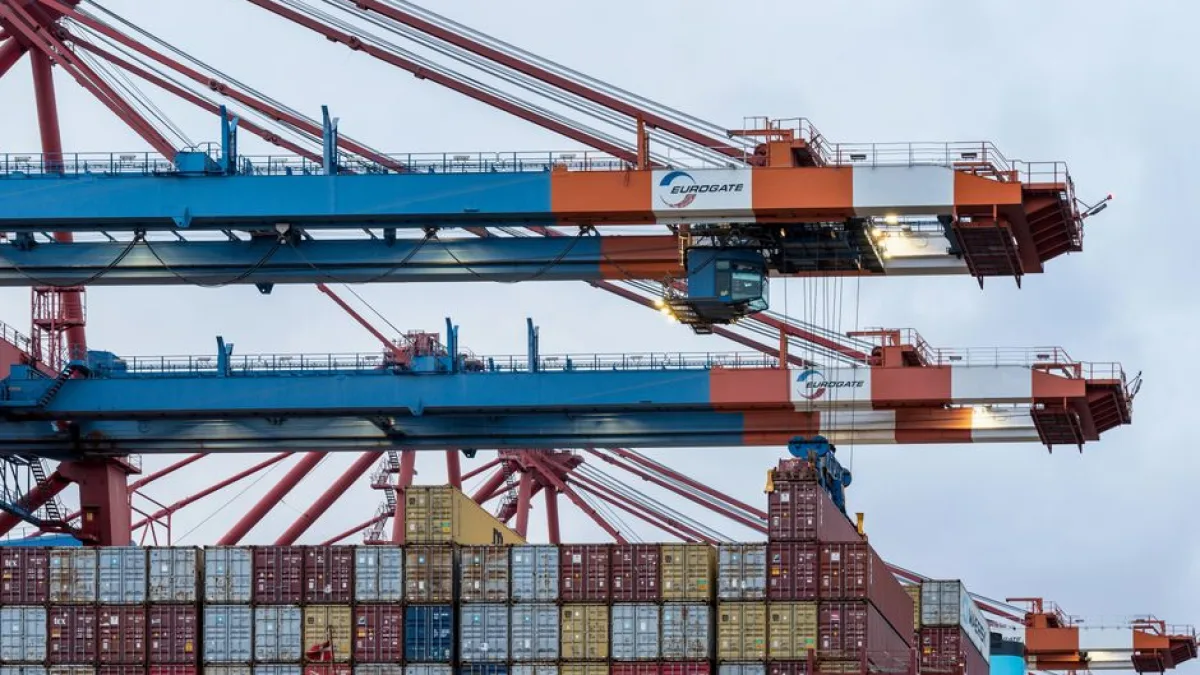
Ocean freight remains the lifeblood of global commerce, yet it is currently fraught with delays and unpredictable capacity issues. Firms that successfully optimize their container management and routing strategies are seeing improved margins and significantly higher levels of customer retention during these turbulent periods.
- Dynamic Route Planning: Utilizing smart algorithms helps logistics managers identify the most cost-effective and fastest routes to bypass congested ports while ensuring timely arrivals for high priority shipments.
- Carrier Capacity Management: Tracking available container space in real time allows forwarders to secure bookings faster and negotiate better rates even when market capacity is extremely tight.
- Port Congestion Mitigation: Proactive monitoring of vessel schedules and local port conditions helps teams divert shipments early to prevent unnecessary storage fees and long cargo waits.
- Container Utilization Rates: Maximizing the space inside each container through better planning reduces overall shipping costs per unit for clients while increasing your company profitability metrics.
- Automated Documentation Processing: Handling bills of lading and customs declarations digitally reduces the human error factor and speeds up the entire clearance process at destination ports.
Precision in ocean freight is achieved through continuous monitoring and smart decision-making. By moving away from reactive management styles, forwarders can better serve their clients during peak seasons or sudden market downturns. Those who master the art of ocean logistics optimization will define the standard for the entire industry in the coming years, creating a distinct advantage over their slower competitors.
Strengthening Customs Compliance Practices

Customs regulations are becoming more complex as nations implement stricter trade barriers and security protocols. Maintaining total compliance is vital for avoiding costly fines and shipment seizures that can severely damage a firm reputation and cause lasting operational headaches for customers.
- Regulatory Compliance Tracking: Keeping an updated database of changing international laws ensures that all shipments meet the necessary legal requirements for every transit point along routes.
- Automated Tariff Calculation: Precise calculation tools help businesses avoid mistakes when determining import duties and taxes which prevents unexpected costs for both the forwarder and client.
- Streamlined Documentation Filing: Digital portals facilitate the rapid submission of all required paperwork to customs authorities to ensure faster clearance times at borders and ports.
- Risk Mitigation Strategy: Identifying potential compliance hurdles before they occur allows teams to resolve issues early and maintain a clean record with national customs agencies globally.
- Expert Compliance Training: Regularly updating team knowledge through specialized training sessions ensures that staff can handle complex customs scenarios with confidence and high professional accuracy.
Regulatory excellence acts as a gatekeeper for sustainable success in the global logistics market. When a company demonstrates consistent compliance, they build trust with both shippers and authorities alike. This reliability becomes a core selling point that attracts larger accounts who prioritize legal security above low-cost shipping. Investing in robust compliance software is the most effective way to protect your firm against risk.
Building Resilient Supply Chains
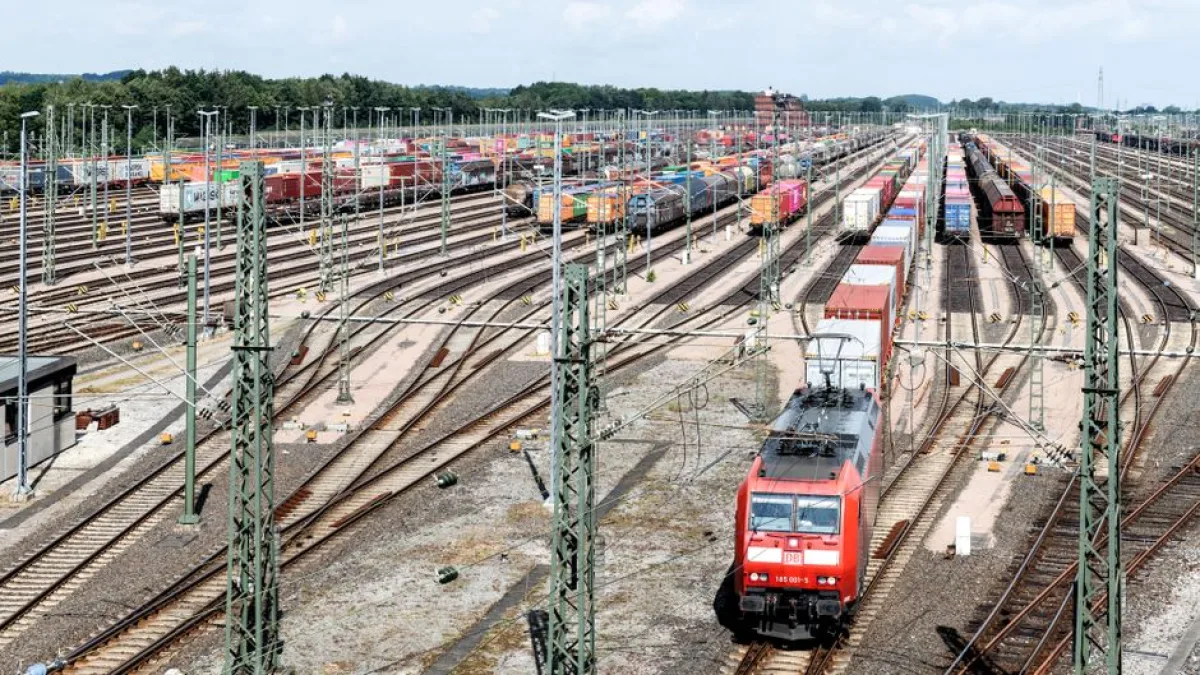
Resilience is the ability to withstand and recover from global disruptions that threaten the steady flow of goods. Freight forwarders are increasingly tasked with creating flexible logistics designs that account for geopolitical shifts, natural disasters, and unforeseen port closures to keep trade moving efficiently worldwide.
- Diversified Carrier Networks: Maintaining relationships with multiple shipping lines provides the flexibility to switch providers during strikes or operational failures that impact major international carrier routes.
- Predictive Analytics Usage: Analyzing historical performance data helps managers forecast future bottlenecks so they can adjust planning strategies before critical supply chain issues occur on site.
- Contingency Planning Protocols: Having documented backup plans for various failure scenarios allows logistics teams to respond instantly when unexpected events occur during the transit of goods.
- Client Communication Strategy: Proactive updates during supply chain incidents build strong professional relationships and help manage client expectations during times when delays are entirely out of control.
- Strategic Warehouse Locations: Utilizing decentralized storage options reduces transit times and brings goods closer to final delivery points to mitigate the impact of port delays.
Resilience is built upon a foundation of data, diversity, and decisive action. Forwarders who build systems that prioritize agility can weather any storm that comes their way. By focusing on these core areas, you ensure that your business remains a steady partner for clients even when the world seems chaotic. Future growth depends on this transition toward more flexible and reliable logistics operations.
Conclusion

Success in today's logistics environment demands a proactive approach to technology, compliance, and operational resilience. By integrating these strategies into your daily workflow, your firm can navigate complex market shifts while providing unparalleled value to customers. Embrace these modern solutions today to secure your position as a forward-thinking leader in the industry, ensuring your business thrives amidst the challenges of global trade.