Navigating the Future: Digital Transformation in Freight Forwarding
Monday, August 24 2026

The global logistics landscape is undergoing a profound shift as digital adoption moves from a competitive advantage to a fundamental necessity for survival. Freight forwarders are currently facing unprecedented pressure to enhance operational transparency and speed while managing volatile market conditions. By integrating cloud-based technologies and automated workflows, forwarders can reclaim time spent on repetitive manual tasks and redirect those resources toward strategic client relationships. As the industry evolves, those who leverage data-driven insights will successfully differentiate their service offerings, ensuring long-term profitability and resilience in an increasingly complex and interconnected international trade environment that demands constant innovation and agility.
Modernising Warehouse Operations
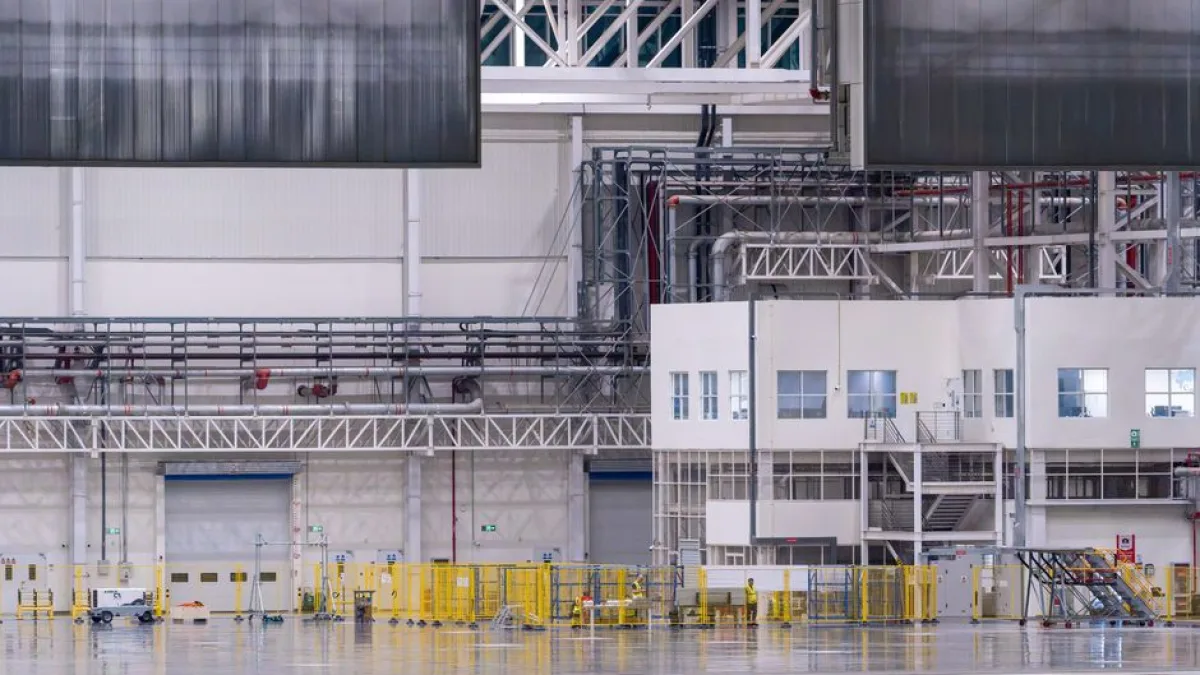
Warehouse management has evolved significantly with the integration of real-time tracking systems and smart automation tools. These advancements allow freight forwarders to optimize storage space and accelerate throughput, ultimately reducing the overall lead times for their global shipping partners and local clients.
- Real-time inventory visibility: Cloud software provides immediate updates on stock levels across multiple locations, allowing teams to make informed decisions that prevent costly bottlenecks and inventory shortages in the supply chain.
- Automated sorting processes: Modern robotics and digital sorting systems minimize human error during the fulfillment phase, ensuring that shipments are organized correctly and prepared for transit with maximum efficiency and precision.
- Predictive analytics implementation: By utilizing historical data patterns, forwarders can anticipate future storage demands and seasonal spikes, enabling proactive resource allocation that keeps operations running smoothly during high-traffic periods.
- Enhanced security protocols: Digital access control systems and integrated surveillance technology protect high-value goods, providing clients with peace of mind through documented safety measures and monitored facility entry points.
Adopting these advanced technological solutions ensures that warehouse operations remain lean and responsive to market fluctuations. When forwarders modernize their internal processes, they effectively eliminate inefficiencies that often lead to delayed deliveries and increased labor costs. Staying ahead of the technological curve is no longer optional for businesses aiming to maintain high service standards in a fast-paced logistics environment that prioritizes speed and reliability.
Streamlining Global Logistics Documentation

The traditional reliance on paper documentation is rapidly disappearing as digital platforms simplify the administrative burden of international shipping. Electronic documentation ensures that crucial records remain accurate, accessible, and compliant with ever-changing global trade regulations across various international transit zones.
- Cloud document storage: Centralized digital repositories allow teams to access essential shipping files from any location, fostering better collaboration and reducing the time spent searching for physical misplaced paperwork.
- Automated compliance checks: Intelligent software scans documents for errors or missing information against international trade rules, helping forwarders avoid costly customs fines and unnecessary delays at border crossings.
- Electronic signatures enabled: Digital signing tools accelerate the approval process for bills of lading and commercial invoices, eliminating the logistical nightmare of courier fees and physical document transport.
- Standardized data templates: Creating uniform digital forms ensures that all shipping partners receive consistent information, reducing ambiguity and improving the accuracy of final customs declarations and financial reporting.
Transitioning to a paperless environment fundamentally changes how forwarders interact with regulatory authorities and international partners. By digitizing documentation, businesses can achieve a higher level of transparency and trust, which is essential for maintaining long-term partnerships. The shift away from manual entry reduces the likelihood of human error and frees up staff to focus on solving complex logistical challenges for their clients.
Optimising Carrier Communication Networks

Maintaining seamless communication with carriers is essential for providing accurate shipment updates to end customers. Modern software platforms bridge the gap between forwarders and transport providers, ensuring that information flows freely and without the latency often caused by traditional email or phone exchanges.
- Carrier integration hubs: Centralized platforms connect different transport providers into one interface, allowing forwarders to compare rates and schedules in real-time while managing bookings through a single dashboard.
- Automated status updates: Automated alerts keep all stakeholders informed about shipment location and estimated arrival times, reducing the volume of inbound inquiries and enhancing the overall customer experience significantly.
- Centralized messaging tools: Dedicated communication channels within freight platforms ensure that all discussions regarding specific shipments are captured in one place, preventing important details from being lost in chains.
- Collaborative booking portals: Shared portals enable forwarders and carriers to coordinate capacity and pricing directly, creating a more transparent and efficient booking process that benefits all involved parties.
Optimizing how information is shared with carriers leads to more reliable transit times and higher customer satisfaction levels. When communication channels are unified, forwarders can quickly resolve disruptions, such as port congestion or unexpected weather delays. Building a robust digital network of partners ensures that operations remain stable even when unforeseen challenges arise in the global freight market throughout the entire shipping cycle.
Leveraging Data for Strategic Growth

Data is the backbone of modern freight forwarding, providing the insights needed to scale operations and identify new revenue opportunities. By analyzing performance metrics, forwarders can refine their strategies, improve profit margins, and offer more competitive pricing to their growing customer base.
- Performance metric tracking: Detailed analytics dashboards allow businesses to monitor KPIs such as transit times and container utilization, providing the necessary visibility to identify areas needing immediate process improvement.
- Customer behavior insights: Tracking client shipping habits helps forwarders develop customized service packages, increasing customer loyalty and providing targeted opportunities for upselling based on specific logistical needs and requirements.
- Competitive pricing models: Access to real-time market rate data allows forwarders to adjust their pricing strategies dynamically, ensuring that quotes remain attractive while protecting necessary profit margins on every load.
- Resource allocation planning: Using historical traffic data, managers can deploy staff and capital more effectively, ensuring that the company remains lean during slower periods and prepared for surges.
Harnessing the power of big data allows logistics companies to move beyond reactive management and start operating with a clear, forward-looking vision. When leadership teams base their decisions on hard evidence rather than intuition, they significantly reduce the risk of failure. This data-driven approach is the key to sustainable growth and maintaining a strong competitive edge in the modern freight industry.
Conclusion

Digital transformation serves as the vital foundation for success in the modern logistics sector. By adopting cloud-based tools and automating core processes, freight forwarders can optimize their operations and provide superior value to their global clients. Embracing these technological advancements ensures that businesses remain competitive and agile in a rapidly changing market. Start integrating these solutions today to secure a more efficient and profitable future.