Navigating the Future: Digital Transformation in Freight Forwarding
Thursday, September 24 2026

The global logistics landscape is undergoing a profound shift as digital transformation moves from a competitive advantage to an essential survival strategy. Freight forwarders are currently balancing the pressures of volatile market rates, increased customer demands for real-time transparency, and the need for operational efficiency. As traditional manual processes struggle to keep pace with modern supply chain complexities, industry leaders are turning to cloud-based platforms to automate workflows and unify data. Adopting these advanced technologies is no longer optional for businesses aiming to maintain relevance and drive growth in an increasingly crowded and interconnected international marketplace.
Embracing Automation for Efficiency
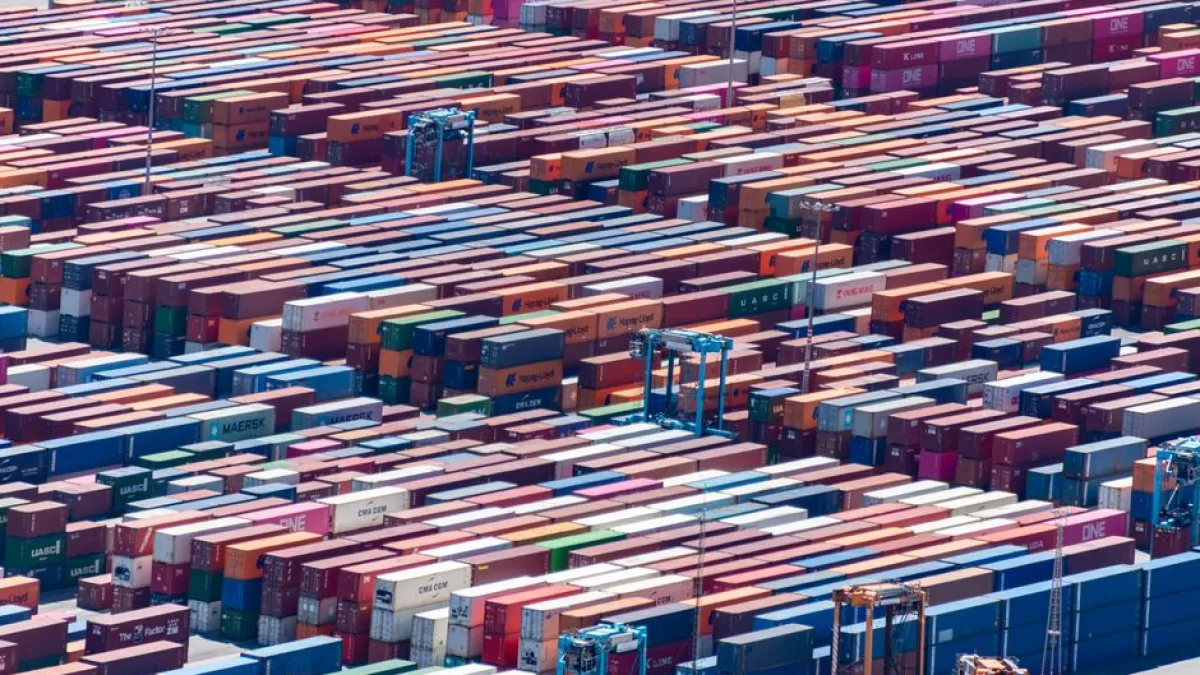
Modern freight terminals now rely on automated workflows to process massive volumes of shipping data with high precision. By removing repetitive manual entry tasks, companies can drastically reduce operational errors and allow staff to focus on solving complex logistical challenges for their clients.
- Automated Documentation Processing: Intelligent software scans and classifies shipping documents instantly, ensuring that customs compliance and bill of lading accuracy are maintained without the need for time-consuming manual oversight.
- Workflow Management Systems: Integrated platforms streamline internal communication by routing tasks to the right team members automatically, which prevents bottlenecks and keeps shipments moving through the supply chain.
- Error Reduction Strategies: Implementing automated validation rules during the booking process prevents common human errors that often lead to costly delays, customs penalties, or incorrect freight billing issues.
- Streamlined Data Entry: Cloud-based entry tools allow for bulk uploads and API integrations, meaning that your logistics data flows seamlessly between systems without manual typing or transcription.
The move toward full automation allows freight forwarders to reallocate their most valuable resource, which is human talent. By automating mundane administrative tasks, your team can pivot toward building stronger relationships with shippers and carriers. Efficiency gains from these digital tools directly impact the bottom line, enabling your firm to scale operations without a proportional increase in headcount or traditional office infrastructure costs.
Leveraging Real-Time Cargo Visibility

Providing clients with live updates on shipment status is now the industry standard for high-performance forwarding firms. Advanced tracking tools connect directly to carrier systems, offering a clear and transparent view into every step of the journey across the globe.
- Predictive Arrival Forecasting: Using machine learning algorithms, modern systems analyze vessel schedules and weather patterns to provide clients with accurate, real-time arrival estimates for their critical cargo shipments.
- End-to-End Tracking: Integrated platforms aggregate data from multiple carriers and modes of transport, providing a single source of truth for both forwarders and their demanding enterprise clients.
- Proactive Exception Management: Intelligent alerts notify logistics teams immediately when a shipment deviates from its planned route or schedule, allowing for rapid intervention before problems escalate further.
- Client Portal Access: Providing secure self-service portals empowers your customers to monitor their own freight movements, which reduces the constant volume of status request emails sent to staff.
Transparency is the foundation of trust in the freight industry. By offering clients a window into their supply chain, forwarders differentiate themselves from competitors who still rely on delayed manual reports. This level of visibility improves client retention rates, as shippers prioritize partners who provide actionable data. Investing in these tracking capabilities ensures your agency remains the preferred choice for sophisticated global companies.
Optimizing Global Freight Rates

Navigating the complex world of freight pricing requires a data-driven approach that considers carrier performance and historical cost trends. Modern software platforms consolidate pricing data, helping forwarders find the best balance between speed, cost, and service reliability for each unique shipment.
- Dynamic Rate Management: Centralized databases store all carrier contracts, allowing your staff to compare live market rates and secure the most cost-effective options within seconds of searching.
- Carrier Performance Analytics: Monitoring historical data allows you to rank carriers based on reliability and cost, ensuring that your firm chooses partners that consistently meet service level agreements.
- Profit Margin Protection: Automated tools calculate total landed costs including surcharges, which helps teams identify potential pricing gaps and maintain healthy margins on every single booking they manage.
- Instant Quotation Tools: Generating professional quotes for customers in minutes rather than hours significantly increases your win rate, as modern shippers expect rapid responses in this fast-paced market.
Effective rate management transforms freight forwarding from a service-based commodity into a strategic financial asset for your clients. By utilizing powerful analytics to optimize routes and carrier selection, you prove that your value extends beyond simply moving goods from point A to point B. This expertise solidifies your position as a trusted advisor capable of mitigating financial risks and maximizing budget efficiency for partners.
Building Scalable Digital Infrastructure

Establishing a robust digital foundation is essential for companies looking to expand their market reach and handle increased shipment volumes. Cloud-based platforms provide the necessary flexibility to scale your operations up or down based on current market demands and industry growth.
- Cloud-Native Connectivity: Moving your operations to the cloud ensures that your team can securely access critical logistics data from anywhere in the world, supporting remote or hybrid work.
- Seamless System Integration: Modern logistics platforms are built to connect with accounting software and customs systems, creating a unified ecosystem that eliminates data silos across your entire organization.
- Cybersecurity and Compliance: Leading cloud providers implement high-level encryption and regular security updates, which protects your sensitive client data against modern threats while maintaining compliance with international standards.
- Agile Growth Planning: A scalable software architecture allows your business to add new locations or business units quickly, ensuring your technology grows alongside your ambitious expansion plans today.
Infrastructure is the backbone of any growing freight forwarding company. As you modernize your digital setup, focus on tools that emphasize ease of use and long-term integration capabilities. A cloud-based approach not only minimizes the burden of internal IT maintenance but also ensures your staff always has access to the latest feature updates, keeping your firm at the cutting edge of logistics technology.
Conclusion

Success in modern freight forwarding depends on the strategic adoption of cloud technology to drive efficiency and transparency. By prioritizing automation, real-time visibility, and scalable infrastructure, your firm can navigate market challenges with confidence. Embrace these digital tools today to enhance your service quality and build long-term value for your clients. Start your transition to a smarter logistics future with MakeCargo software solutions.